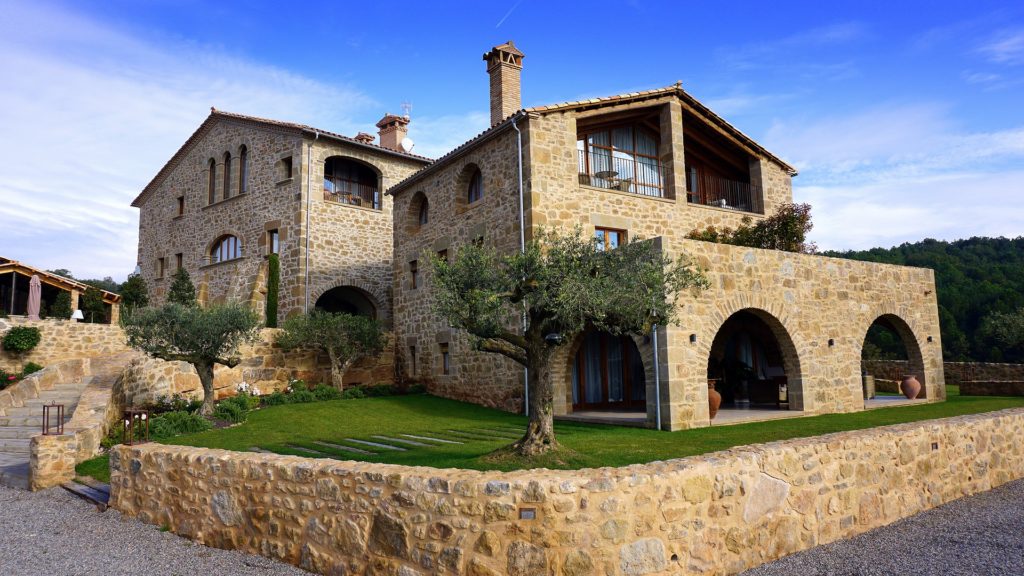
Buying A Country Home in Niagara

Buying A Country Home in Niagara

 What are the best locations for buying a country home in the Niagara Region?

If you are looking for a country home in the Niagara Region, look no further than our TOP 5 favorite countryside areas in Niagara.

Living in the Niagara Region is wonderful. If you like welcoming communities, rich natural landscapes and the odd glass of wine, this is the place for you.

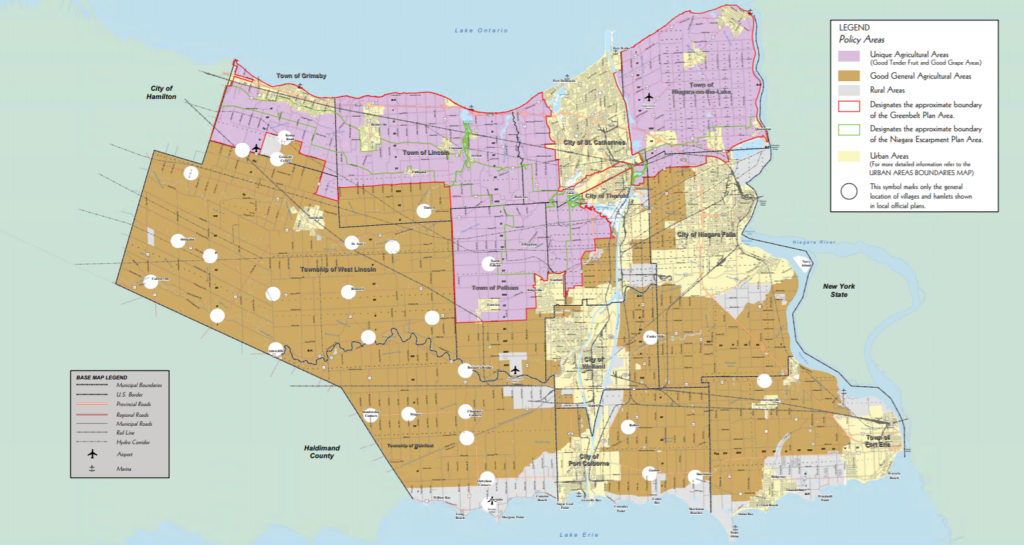
To help you get your bearings on the countryside and rural areas in Niagara, have a look at this map:


Niagara Region Countryside & Rural Areas


1. Effingham, Pelham

I know I’ve said this before but I adore the Pelham area. And truthfully, anywhere in the Pelham area makes for ideal country living.

Effingham is the most northern part of Pelham and encompasses a portion of both the scenic Short Hills and Saint John’s Conservation area.

Almost daily I drive along Effingham Street and get to marvel at the private estates and modest country homes tucked away on treed lots. Any road you take off of this road is sure to impress with charming properties and country retreats.

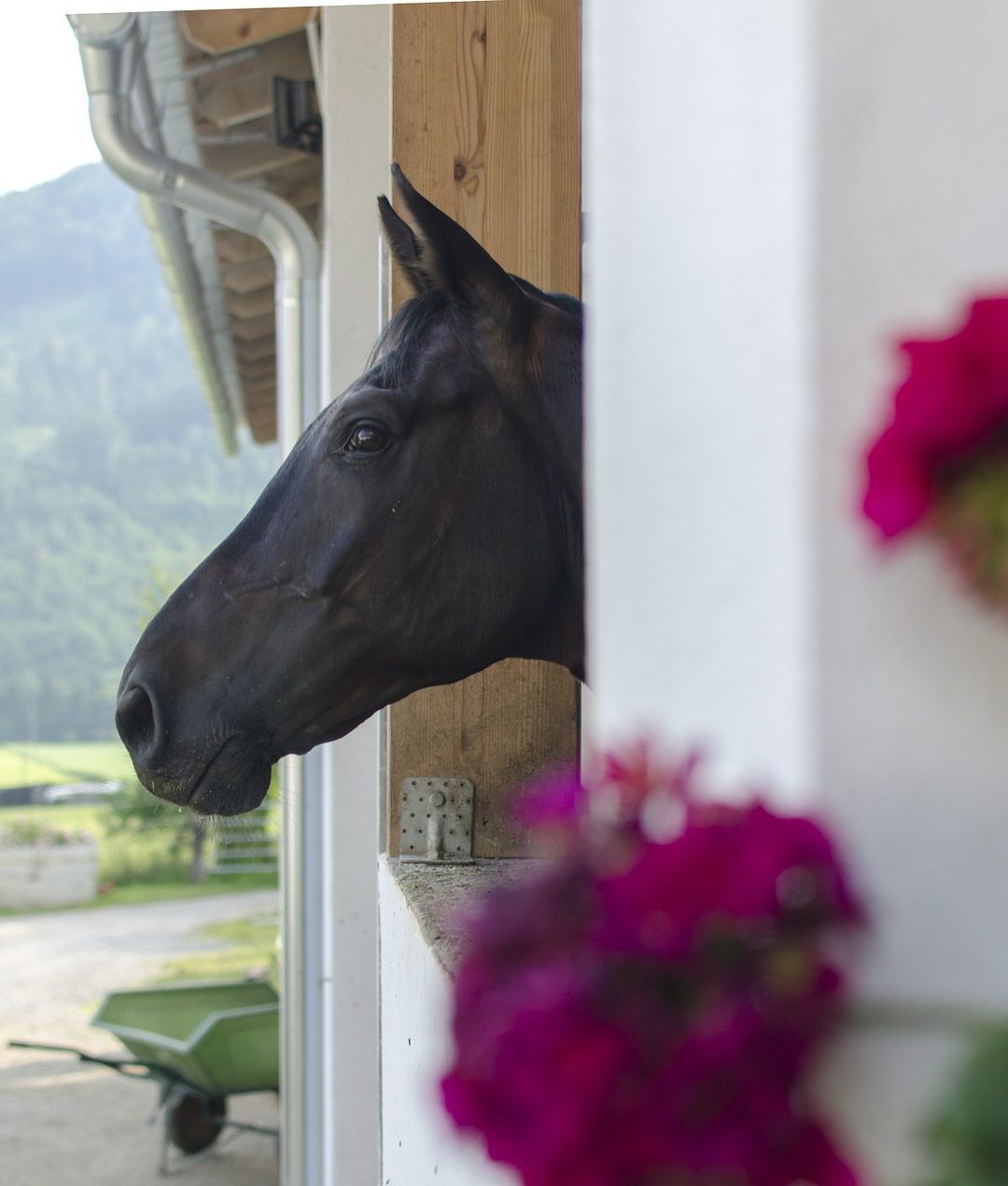
Effingham is also a horsey community.

If you decide to explore Effingham you will find picturesque paddocks and little barns along many roads in this community.

You won’t feel secluded living in the Effingham countryside but you are sure to experience a chic country lifestyle.

Fonthill would be your closest community for shopping, restaurants and other amenities.


 Perhaps currently the most sought after area in the Niagara Region, this community sits atop the wonderful Niagara Escarpment.

Located within the GreenBelt, this is a community surrounded by beauty and natural landscapes. Ideal for those of you that enjoy an active lifestyle as the Bruce Trail winds along the north side of Ridge Road.

You can find a range of home styles here. Century homes, sprawling bungalows, grand and private estates, private farms and quaint country style homes set on large lots.

There aren’t many properties currently listed, making this an exclusive spot for country living.


3. Saint David’s, Niagara On The Lake

A number of the communities in Niagara-On-The-Lake are seeing a creeping up of residential development in their core areas. It is unfortunate but a reality facing many areas in Ontario.

And Saint David’s is no exception.

But along the outskirts of this historic community, you can find some of the best rural living in the region.

You might be lucky enough to get your hands on a heritage home but if not, there are a number of other country properties to choose from.

Quintessential bed and breakfasts, endearing country escapes and stylish estates are just a few types of homes you can expect to see.

With historic reverence, a rich culture and located just a stone throw away from renowned wineries, St David’s is an ideal community to enjoy country living.


House Near Winery


4. Jordan, Lincoln

A quaint and charming community bordered between Beamsville to the west and the Louth area of St. Catharines to the east.

Jordan is surrounded by beautiful farms, orchards, vineyards and country homes.

At the village core, you will find a voguish setting; boutique stores, art galleries and excellent restaurants.

If you are just visiting, be sure to check out the cozy and chic accommodations on offer in the Jordan Village or enjoy a day at the spa before heading out on a picturesque hike.

Although there are many beautiful country homes here, Jordan village is a small community and not many properties come up for sale here.

Making this another exclusive countryside community in Niagara. 


If you truly want to live the rural lifestyle, where you aren’t too close to your neighbours and the nearest grocery store is in the next town over then Wainfleet might be the spot for you.

Waintfleet is unique in that it is home to both large stretches of agricultural land and, to the south, lovely lake beaches.

Waintfleet is not connected to municipal sewer or water services – developed properties typically have a septic system and private well or cistern. You can read more about rural living on the Waintfleet website here.

In terms of housing, you can find newer homes as well as older farmhouses.

If you are ready for a life of quiet contemplation and peaceful surroundings – and understand the hard work that can come with living in a rural community – then Wainfleet might be just the place for you.

Parts of this article were adapted from our Niagara website here.


Starting a Successful Horse Boarding Business

Starting a Successful Horse Boarding Business

Horses have always been a part of our lives.

JP and I have both worked at, boarded at and ridden at many different barns over the years. Picking up ideas about what seems to work and what doesn’t.

1. The Type of Barn

Small but high-end barns. A niche product. 

Typically this is a private facility of just 12-20 stalls. Focusing primarily on a state of the art facility and providing top quality care. For this premier facility, one would be asking a high monthly board fee of between $1,500 and $2,000/ month.

All depending, of course, on what type of facility you have and what services you offer. Typically these barns are highly individualized to horses and owner needs. The more expensive barns will usually offer training as part of that board. 

The Facility –

The barn usually sets itself apart from every other barn. A truly top-notch haven for horses and their owners.

Training & Lessons –

Whether you include these in your board is entirely up to you and the numbers you need to make the venture work. At this level of board generally, some type of training is included.

It will also depend on whether you have an outside trainer coming in whom you might have to pay and so on.

A very popular option is to allow in outside coaches to train their client/s that may board at your facility.  A tough one for most barn owners that are also trainers but it provides variety to clients and opens up the doors to more boarders.

Staff 

We cannot stress how important it is to have qualified and educated staff. If you are asking top-tier board, you must offer a high standard of care.  At higher rates, these barns often provide full groom services as well.

On top of the normal booting, blanketing and picking feet, services can include bathing, clipping, worming, grooming, laundry, lunging, grazing and tack cleaning. 

A select few, full-service barns will have a boarders horse tacked and ready to go when they arrive.

Turn-Out 

Safe, consistent and carefully managed.

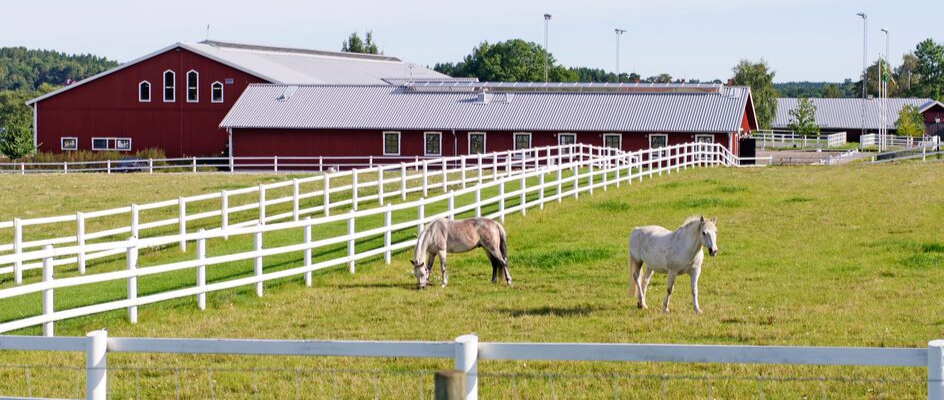
Many people recommend 1 acre per horse for grazing, but this is not always feasible. You can have smaller sized paddocks but they will need to be managed well. Most of the high-end barns will offer individual turnout for all horses.

Arenas

Typically, high-end barns have at least one good-sized indoor arena – 80 x 200 or 220. Most have two decent sized outdoor arenas as well. The sand footing in these arenas should be top quality (ideally a sand and fiber mix).

Check out Footing First for excellent footing options.

Value Added Services

These may include:
• A small fitness track
• Hacking opportunities
• On-site laundry facilities
• Lunging arena
• Security and surveillance (including in-stall wed-cams)
• On-site live in management
• Sprinkler systems
• One site showers
• Heating lamps
• Hand Walking and Grazing
• Tack Cleaning

It is important to create an atmosphere of luxury and high-quality care if you are asking this level of board.


2. Owning The Right Investment

It goes without saying that you need the right property to run a successful boarding facility.

But more than that it is essential to look at your property as a real estate investment. One that can “work” for you outside of the boarding facility.

Put very simply, over time your property should appreciate – giving you access to equity that can be used towards improving your current facility or put towards other investments.

Buying the Property

Whether you buy a facility or buy and build, the following three must be in place.

A property in a prime (or at least good) location with the right zoning to allow for a horse boarding operation.

Secondly, land quality must be good, with good soil.

And thirdly, buy a property that has been well cared for by its current owners.

It is difficult and costly to run a horse boarding facility. Owning a property with additional income options (like a secondary residence to rent out or excess fields that can be leased to a farmer) would be a bonus.

This article goes into greater detail about how to make the most of equestrian property real estate investment.

If you own the property

Take care of your investment. Look after and maintain buildings, homes and the land. Over-grazed fields and rundown buildings don’t help appreciation. Nor do they attract good boarders.


3. Making Sure The Numbers Work

People get into this business and don’t truly realize how costly it can be.

If you’ve never run a boarding facility before, you may not know exactly what things are going to cost.

Our recommendation is to get extremely detail oriented here. Find out what expenses are going to be on a monthly basis. Get all of your financial ducks in a row.

The Expenses –

If you have been in the horse business for some time, you’ll know there is a long list of expenses that come with owning a horse, let alone a barn with multiple horses.

Monthly Expenses –
These will include (and definitely not be limited to):
• Mortgage or lease payments
• Feed
• Hay (ideally your property can be hayed, but costs for the tractor and bailing equipment will need to be accounted for).
• Shavings
• Utilities
• Salaries / Wages for staff
• Regular maintenance of the facility and machinery
• Insurance (if running a facility it will be commercial insurance)
• Taxes (income and property)
• Waste removal required
• Security

And of course, there are the expenses required for your own horse/s as well.

Start-Up Expenses –
• Down payment
• Any updates or renovations
• Improving the footing
• Machinery and equipment
• Seeding any paddocks that need new grass
• Fencing
• Security Installations
• Advertising (if you don’t have current clients to fill up the stalls).

Contingency Fund –
You will want to have some sort of back up ‘cash’ for big fixes, emergencies and general upkeep of the property. You may also need this if you have a high turnover of clients to carry empty stalls (which ideally you shouldn’t have).

The Income –

Although boarding may be your primary source of income, you may need or want to offer other services.

In addition to board, you may offer training, lessons, horse sales, clinics and off-property schooling for guests. It will depend on your preference, your discipline and what numbers you need to make to cover, and ideally exceed your expenses.

If you are lucky enough to own a property that has a second home, consider renting it out for additional income.

 Here are six creative ideas to generate a little extra income on your horse farm.


4. Having The Right Contacts

Good and trustworthy connections can be hard to come by.

If you are starting an equestrian business, you should already have a ton of experience in the horse industry and have made many connections along the way.

Connecting the right people to your new clients could go a long way with building lasting relationships and add value to their time at your barn.

Farriers, Massage Therapists, Vets, Chiropractors, Saddle Fitters and the like. These experts all help in maintaining the health and happiness of the horses.


Final Thoughts

Taking care of other people’s horse is a large responsibility. One that cannot be underestimated. You may love horses and people but owning a boarding or training barn will test this love.

You can’t please everyone, but if you do right by the horses you’ll keep on the right path and hopefully make a success out of your passion for the equestrian sport.



6 Ways To Make The Most Of Your Equestrian Property Investment

6 Ways To Make The Most Of Your Equestrian Property Investment

No matter what you are planning to use your equestrian property for – be it a private facility, a training barn or a modest property for a couple of retired horses – equestrian properties don’t come cheap.

It is essential to look at any equestrian property as a long-term investment.

Buy a good property, in a good location, that has been well maintained by its current owners. You can always replace or rebuild infrastructure but improving the location and quality of the land is next to impossible.

1. Land Quality

This is probably the most important aspect of the equestrian property.

Changing the soil, for instance, is not feasible. Clay, for example, is fine but not necessarily ideal for equestrian properties.

Weedy paddocks that have been overgrazed can take some time and money to get back to a suitable condition. It is important to buy a property where turn-out has been managed correctly, and even more so that you manage the paddocks correctly once you become the owner.


2. Build Up Equity

Ideally, You want a property that will, on some level, appreciate. Hopefully then, giving you access to built-up equity that you can use towards other investments or improving current ones.

To build up equity, it is important to purchase a property in a good location where the land has been well cared for.

From this foundation, you can add value to the land with new buildings and/or updates.


3. Future Sale

Look at the potential future use of the property.

Think about what other income possibilities the property may have for you down the road – could you one day host shows on the property, is there room and/or allowances for a second residence on the property and so forth.

Think also about how future investors might look at the property 10 – 20 years down the road if you ever decided to sell.  You and your realtor should talk to the municipality and get an understanding of what is happening in surrounding areas that could affect your property value in the future (positively or negatively).


4. Land Severance Possibilities 

Severing the land could be an option as well under the right circumstances. However, if you are in the Greenbelt (which most equestrian properties are) you might be out of luck on this one.

On the rare occasion, we have found properties that were originally two or three separate lots, which made it possible to sever them into separate lots.  This can be costly, however, and so it would need to make sense to do financially for you.


5. Cash Flow

If you are hoping to run a boarding or training facility, you’ll want to have all your numbers figured out before diving in.

Expenses, Incomes, and Contingency Funds all need to be accounted for so you stay out of the red. Be creative when coming up with other cash flow opportunities for your property. For instance, renting out a secondary residence for extra income.

Owning a property that allows you to make your own hay is ideal. Even if you can only support it for a portion of the year. It goes a long way with future sales.

Here’s a great article to get you started on the financials and planning of your horse boarding venture.

6. Take Care of Your Property

I have mentioned this many times because it is essential to equestrian property success.

Look after your land and your buildings. Maintain the property and the buildings as much as possible. If the time comes where you want or need to sell, a well cared for property is going to fetch top-value.

Did we miss anything? Let us know how you look at your equestrian property as an investment.

6 Mistakes To Avoid When Buying & Restoring Old Homes

6 Mistakes To Avoid When Buying & Restoring Old Homes

Here are the 6 most common mistakes people make when they decide to buy and restore old century homes and farmhouses.

They Don’t Have A Serious Plan of Action

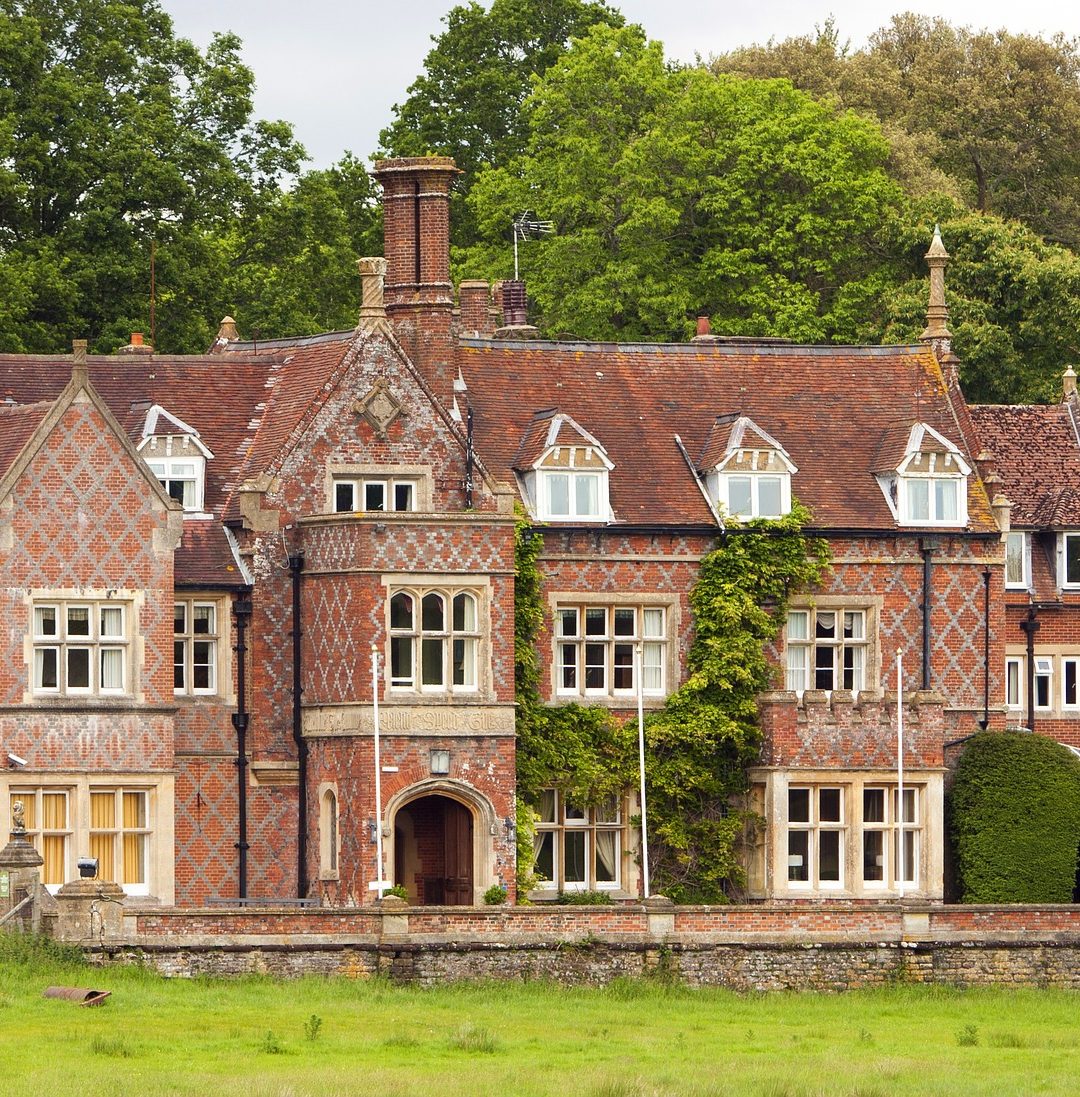
Often times people get swept away by the romance of living in an old home. I don’t blame them. Gorgeous trim, unique character and rooms with stories to tell.

But this is why restoring older homes fall apart. The logic is missing.

One needs to have a solid plan in place.

Your first step is to put together a team of architects, contractors, realtors, home inspectors and mortgage brokers who understand your vision for the property.

From there they can help you come up with timelines, budgets, financing options and so forth.

They Don’t Think Of The Purchase as an Investment

I know we talk about this a lot here at Land & Title but it is only because it is very important.

Sure, the property needs to make sense for you now. But it also needs to make sense for the future. Be it your first house or your forever home, thinking of the home from an investment perspective is the right thing to do.

The investment plan will, of course, depend on your plans. There will be different nuances and caveats to your investment plan depending on how long you plan to hold the property.

But here are some ways to think of the investment that can apply to everyone:

  1. Pick a property in a great location on a great lot. One that will appreciate.
  2. Don’t bite off more than you can chew. By that I mean make sure you can completely afford this restoration project. It would be a disaster to spend money on buying the home, renovating half of it, only to run out of funds and have to get rid of it at whatever someone else is willing to pay.
  3. If your renovations are too unique, resale options will be limited. For example: Renovating an old church. As beautiful as they can be, if your hope is to turn around and sell the property down the road this may be a bit too unique for most home buyers.
  4. Think about both the current and future opportunities for the property that either you or the next buyer can take advantage of and see value in. This can be anything from the property zoning to property size.


They Don’t Get The Property Inspected

Some old country homes currently on the market are being sold “as is, where is”. But this doesn’t mean you can’t do your due diligence and get a home inspector in there. It just means that if you choose to buy this home, don’t circle back to the Sellers when you find out there is water damage in the basement or rotting beams in the attic.

So doing an inspection is a must. Know exactly what you are getting yourself into.

An inspector experienced in structural engineering and older homes is key.

They Don’t Get Quotes BEFORE They Buy The House

During your homes inspection, bring in as many tradespeople as you can. The more quotes you have the closer you can get to an accurate estimate on restorations and renovations.

I once had a client stagger 10 different tradespeople into a home to get quotes during an inspection on an older home. We were there for 5 hours. The current owners were not pleased, especially when they did not firm up on the house. Once they knew the costs of repairs it was more than they could handle on this particular project.

They Don’t Have A Back Up Budget

Once you start pulling a home back to its seams, you start to unravel surprises. Unpleasant surprises.

Once these start to pop up, your original budget will start to stretch. When people don’t have a backup or ability to cover these issues, they run into trouble.

Have a budget, and have a backup budget to your budget. As the old saying goes – “It is better to have it and not need it than to need it and not have it”.

Being handy here may come in… handy. If you can do some of the work yourself, be it painting or flooring (or something more experienced) you’ll save money. Not time but money.

They Are Not Passionate About Older Homes

If you are only buying an older home that needs work because the list price is lower than the next best comparable. Or because you think you can get a great deal – I would advise not doing it.

Even if you complete the renovations without issue, the home will still have quirks and squeaks that may annoy you. A foundation that probably lets in water from time to time, unlevel floors and drafty rooms.

But if you adore the old style architecture, the character of the home and don’t mind the old quirks you should be fine.

Read up as much as possible on living in older homes. Speak to real estate agents and architects and try to understand fully what you are getting yourself into.

This project has to be close to your heart. It could be a family home, a home for you and a loved one to enjoy or you could be putting your heart and soul into the renovations to sell the home onto a family. Whatever the case may be, loving older homes is a must.


Old Country Home Renovations – Is It Worth It?

Old Country Home Renovations – Is It Worth It?

The Pros and Cons of Old Country Homes Renovations

I have been hooked on a BBC TV series recently – Restoration Homes. For those of you that haven’t seen it, it’s an excellent show where brave Brits buy run down, historic buildings and turn them into stunning homes for their family.

The transformations of these barns, churches and even castles is definitely an exciting endeavour.  But also, it seems, a torturous one.

Sometimes people don’t realize what they are getting into. Restoring older homes or buildings doesn’t just mean you’ll be putting in a new kitchen and updating the wall-paper. Older homes often require much more work than that.

It often becomes more of a rehabilitation project than a renovation.

Because here at Land and Title, we focus on Country Homes and Rural Properties, let’s discuss some of the issues you may run into when reviving a century old country home or old farmhouse.

Old Home Renovations Are Expensive.

With older homes, there is always a high chance that you will run into unpleasant surprises and / or unknown costs. Even clients who have renovated regular homes from the 40s and 50s sometimes run into surprises once they start pulling the home back to its seams.

Aside from general interior updating, here are some other items that may need replacing:

  • Windows. Specifically original windows – can easily have you running into the thousands of dollars, especially if the windows need to be custom made.
  • Stone and Brick home may need masonry work and re .
  • Roof repair or replacement. This may go beyond old shingles and get into more structure issues with the roof trusses. 
  • Updating or replacing life support systems.

All of which can add up quickly. And that’s before you even get started on that new kitchen.

Life Support Systems – Live With Them or Update Them?

Life support systems include wiring, plumbing, heating and cooling systems.

If the current owner has not updates theses items you may find some unusual life support systems. For example, you may run into old cinder block basement cisterns for water. Boilers, radiators, fireplaces and stoves for heating. In use knob and tube wiring and so on.

Insurance companies can take issue with older and outdated life support systems. Often times they will ask for some items to be updated to modern standards which can quickly get costly.

Renovations Can Take Longer Than Expected.

Some of you may be perfectly fine with this.

If the home is habitable, you can fix up and renovate things as you live there.

For others looking to revive an old home, this may not be possible.

Your move-in in date could be months to years away depending on your budget, who you have helping you, what needs to be done and even the weather.

Contractors or your Architect should be able to give you a timeline for the project. However, with unforeseen surprises that can pop up in extensive home renovations, it is wise to budget for a few extra months … just in case.


Old Homes That Need Work Can Be Tough To Finance.

Getting financing on a run down or inhabitable building can be difficult. Banks especially don’t like the “as is, where is” text that is sometimes added to listings for old homes that need work.

Even if you are planning to demolish the home. It would likely be valued poorly by an appraiser and banks don’t feel secure lending on these types of properties.

However, it must be said that a property that shows potential value could be considered by A- lenders.

For example, if the home’s exterior was in pretty good shape but just had outdated life support systems and a very dated interior, you might get away with a regular old mortgage.

Although in this case having the home insured may be troublesome.

For those really run down homes, your best hope of getting financing would likely be with a B- lender. Which of course comes with its own set of strings attached.

This issue, of course, doesn’t apply if you are able to finance the entire purchase and project by yourself.

I would be remiss if I didn’t mention some of the great things about living in an old country home.


Unique Homes Can Come From Restorations.

There is a reason people love the idea of living in an old century home or farmhouse.

They have character and charm.

Think stunning post and beam ceilings, Victorian-era style trim, magnificent staircases, cozy rooms and original hardwood flooring.

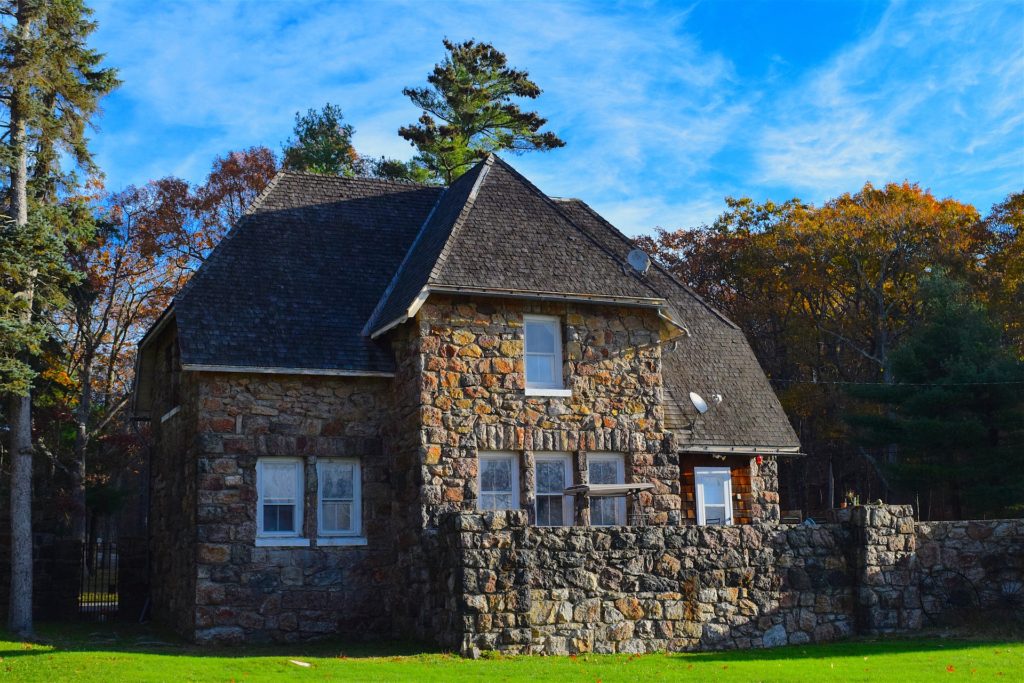
Many of these older homes are built strong – typically made of a solid brick or stone exterior. This may need masonry work but generally, these homes are solid.

Opting to buy an older home could open up your options in terms of price and the land the home sits on as well.

We have had clients who were willing to work on the home because the house they were buying sat on a gorgeous lot on top of the Niagara Escarpment.


You Might Be Able To Pick Them Up For A Good Price.

Although financing may be an issue on these older homes, you may be able to acquire them for slightly below market value because the home needs work.

But this is a strong “may”.

Nowadays with the lack of inventory and high real estate prices choice has been limited for everyone.

This means more people are willing to take on a project than ever before. And if the home is on an incredible lot, chances are even more people will find it interesting. Even if that means demolishing the current home.

Having said that though, because renovation costs are high as well, you might be in luck at the slightly higher price points. It may not sound like a deal paying for a property that needs work at the $500,000 – $1,500,000 price points but if it was on a 4-acre lot, compared to an updated home on the same lot, you could be getting a deal.

Also, if the home has been listed for some time you’ll hopefully have more negotiating power on the price as well.

If you would like examples of homes that need restoring or homes that have been bought, restored and resold, Please contact me! I will send you real – active and sold – homes in Ontario.


Refinance Your Restoration.

Once the project is completed you may be able to refinance the property with an A lender, putting a new mortgage on your essentially new home.

This can be a little complicated and you should definitely talk to your mortgage broker or financial advisor about your options for after renovations.

Be sure to do this prior to buying the home and have a good plan in place.

Buying an older home can be intimidating. And it should be. Many people take on the task without truly knowing what they are getting themselves into.

The best thing you can do when buying an older century home or farmhouse is to have a good team in place. Before you put in an offer. 

A dream team of good architects, contractors, realtors, home inspectors (versed in century homes) and mortgage brokers are a must have for taking on this kind of project.

Read here for mistakes to avoid when buying and restoring an old century home or farmhouse.