The 8 Most Popular Areas to Own a Country Home in Ontario

The 8 Most Popular Areas to Own a Country Home in Ontario


Ontario offers some truly spectacular countryside and rural living options.

Today we have put together a list of 8 of the most popular country living options around the Greater Golden Horse Shoe Area. Let’s get started!


Pelham, Niagara Region

  • Average Sale Price (2019): ~ $850,000
  • Proximity to Toronto: 1hr 30 – 2 hrs
  • Natural Features: Shorthills Provincial Park. Comfort Maple Conservation

The entire town of Pelham offers excellent country living options. The community of Fonthill is where you will find most of your necessities.  It has a country-chic downtown area that offers fine dining, artesian galleries, antique stores, and cozy cafes. The areas of Effingham / North Pelham, Ridgeville and Fenwick are your best bet for country and rural living. Carolinian forests and sprawling meadows are a staple in Pelham. The natural beauty provides a refuge from city life. With gorgeous estates on winding country roads, modest hobby farms and equestrian facilities – you can’t go wrong with buying a rural home in Pelham.

Read more about Pelham, Ontario here.


Campbellville, Halton Region

  • Average Sale Price (2019): ~ $1,200,000
  • Proximity to Toronto: 1hr – 1hr 10
  • Natural Features: Nassagaweya Canyon, Mountsberg Conservation

Campbellville is another community we just adore. Located in the major town of Milton, this community is both quaint and charming.  If you’re driving down Guelph Line towards this little village the scenery is sure to inspire. The community offers a wonderful countryside where you are never too far from equestrian facilities and horse farms. Not too far from the big cities of Toronto and Mississauga, Campbellville is a popular destination for tourists and well-off commuters. Located on the Niagara Escarpment, Campbellville offers homes with scenic views, upscale country estates, and forested retreats.
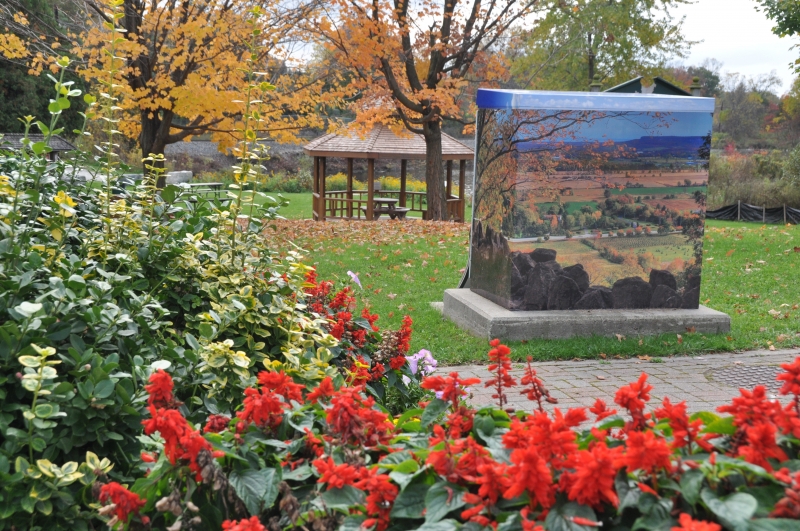
Campbellville Halton Region

Campbellville | Halton | Courtesy of Campbellville.net

Read more about Campbellville, Ontario here.


Paris, Brant County

  • Average Sale Price (2019): ~ $740,000
  • Proximity to Toronto: 1hr 10 – 1hr 20
  • Natural Features: Grand Valley River

A picture-perfect town nestled right where the Grand Valley River and Nith River meet. Historic architecture meets modern delights in the romantic downtown area of Paris. Enjoy fine dining, cafes, delectable bakeries and world-class architecture. Possibly one of the most enchanting little towns in the country, you will feel at ease living in the countryside here with spectacular scenery and picturesque natural landscapes. This riverside town offers many opportunities to enjoy the outdoors as well. You are sure to find yourself a charming century home or classic country paradise in Paris, Ontario.
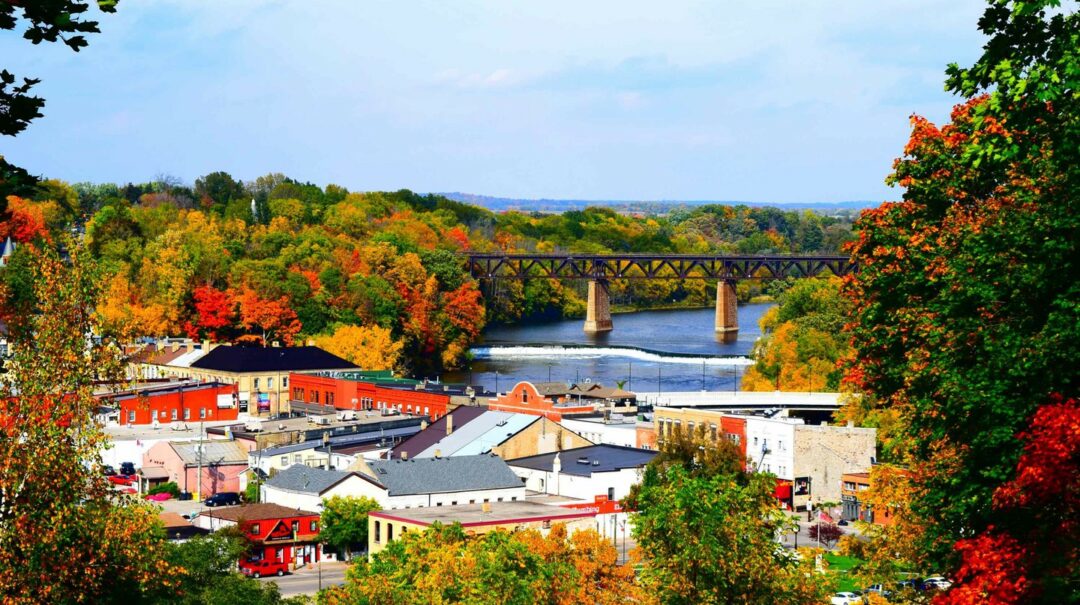
 

Paris Brant County

Paris | Brant | Courtesy of Brant County


Read more about Paris, Ontario here.


Carlisle, Hamilton Region

  • Average Sale Price (2019): ~ $1,150,000
  • Proximity to Toronto: 1hr 
  • Natural Features: Carlisle Conservation Area. Bronte Creek

I adore the quaint community of Carlise. We used to keep our horses at a gorgeous barn here and driving through the little community always made you feel at peace. This is somewhat of an exclusive community because of its size and higher-end real estate prices. Carlisle is the classic small town with only a handle full of stores; two corner stores, a restaurant and a mechanics shop making up the downtown. We highly recommend the sweet treats at Carlise Bakery and the Cider from West Avenue Cider on Concession 8. For gorgeous country homes, ranch-style farmhouses and upscale rural living be sure to check out the community of Carlisle.

Read more about Carlile, Ontario here.


Elora, Wellington County

  • Average Sale Price (2019): ~ $1,020,000
  • Proximity to Toronto: 1hr 20 – 1hr 30
  • Natural Features: Elora Gorge. Elora Quarry.

Elora is a delightful community with rolling hills, acres of farmland and historic charm. As picturesque as picturesque gets, this spectacular little village is perched at the edge of Elora Gorge. The site of limestone cliffs that descend gracefully into the Grand and Irvine Rivers are truly a natural beauty to behold. If you love nature and adventure, Elora could just be the countryside spot you’ve been yearning for. Modern marvels, Character homes and stunning country retreats can all be found in Elora.
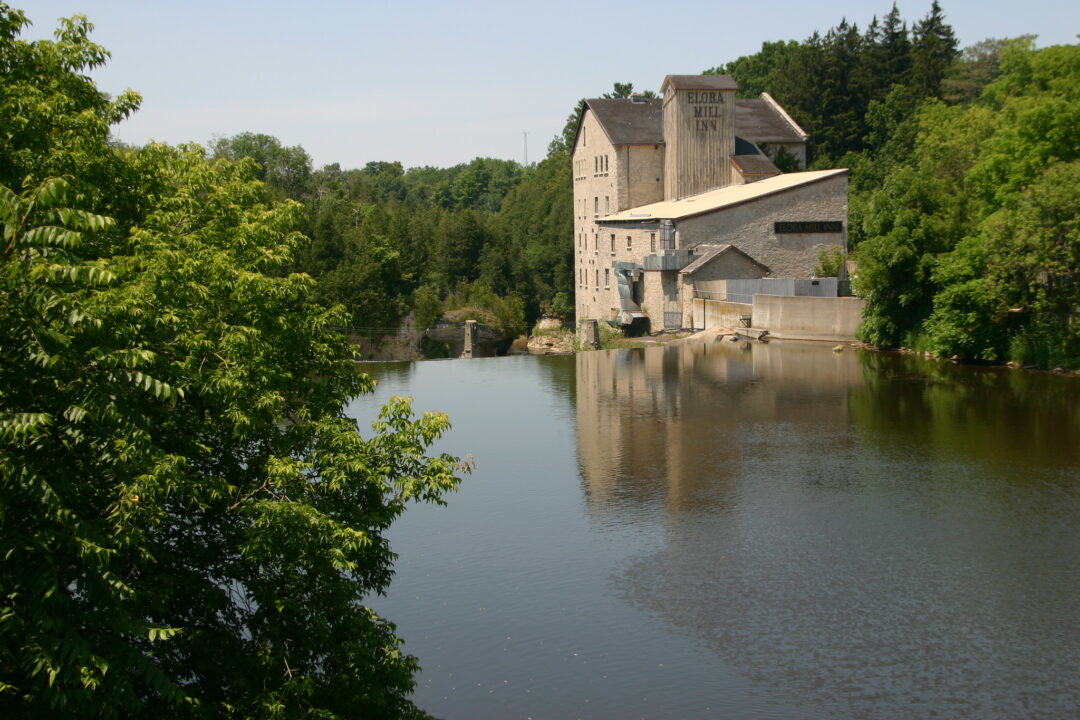
Elora Ontario, Wellington County

Elora | Wellington County | © Mark Stephenson at Flickr

Read more about Elora, Ontario here.


Mono  –  Dufferin County

  • Average Sale Price (2019): ~ $1,060,000
  • Proximity to Toronto: 1hr  – 1hr 15
  • Natural Features: Mono Cliffs Provincial Park. Island Lake Provincial Park.

Mono is a rural haven of impeccable scenery, meandering streams, and majestic forests. As is to be expected from any small town traced by the Niagara Escarpment. Offering a large section of protected land it is no wonder Mono makes up a large section of “horse country”. From close-knit communities to secluded living, Mono offers many options for the country home and rural life seeker. Buyers looking for picturesque farms, a quaint country home surrounded by trees or large rural estates would find the ideal property here.
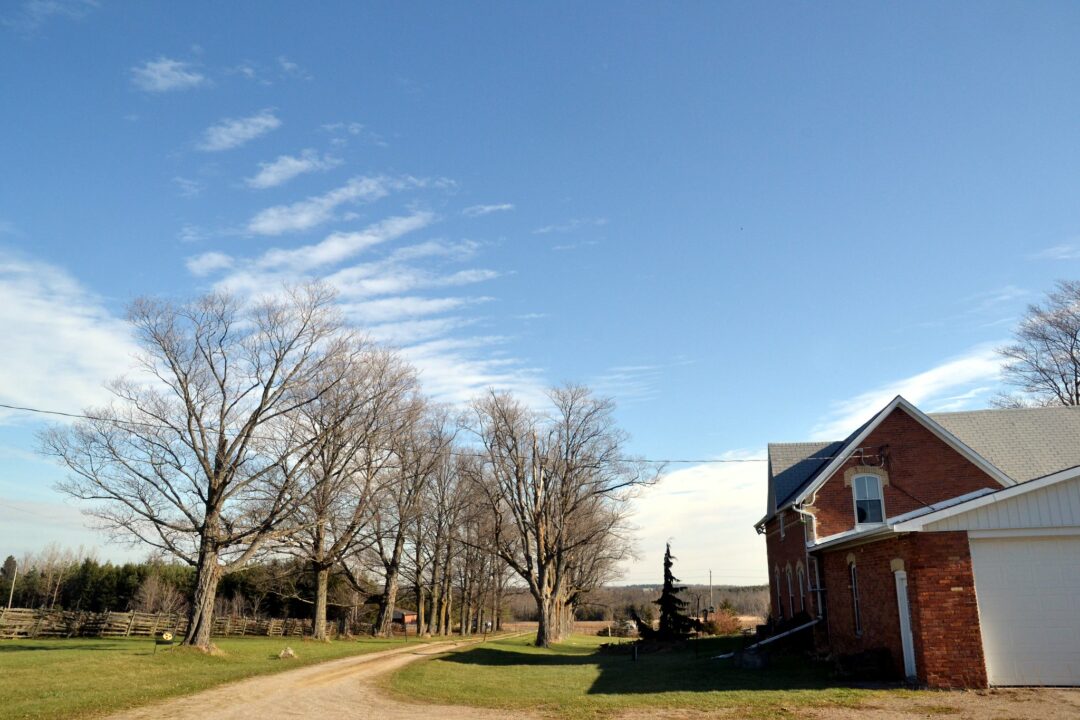
 

Mono, Dufferin County

Mono | Dufferin County | Courtesy of Emily Mills at Flickr

Read more about Mono, Ontario here.


Creemore, Simcoe County

  • Average Sale Price (2019): ~ $1,050,000
  • Proximity to Toronto: 1hr 40 – 1hr 20 
  • Natural Features: Noisy River Provincial Park.

Creemore is a small community located in the larger township of Clearview. Being nestled within the Niagara Escarpment means you can expect world-class natural beauty at every turn. Welcoming neighbours, an inviting, red brick massed building downtown and weekly farmers markets make for a perfect country community. Here, you can find rejuvenated log homes, classic country homes, and private escapes when you are looking for a home in Creemore.

Read more about Creemore, Ontario here.


Jordan, Niagara Region

  • Average Sale Price (2019): ~ $1,037,000
  • Proximity to Toronto: 1hr 5 – 1hr 20
  • Natural Features: Balls Falls Conservation. Twenty Mile Creek

OK yes, we are back in the Niagra Region for a second time but we could not leave this gorgeous community off of the list. Jordan provides quintessential country living at its finest!  With a chic downtown area offering spectacular stores, restaurants and galleries. Jordan is a village surrounded by wineries, orchards and the beautiful Niagara Escarpment to the North. The unique micro-climate here allows for excellent fruit and wine production so be sure to visit some of the Twenty Valley Wineries and Pick-Your-Own Fruit stands. From modern country mansions to modest country escapes, be sure to visit Jordan for your country home purchase.
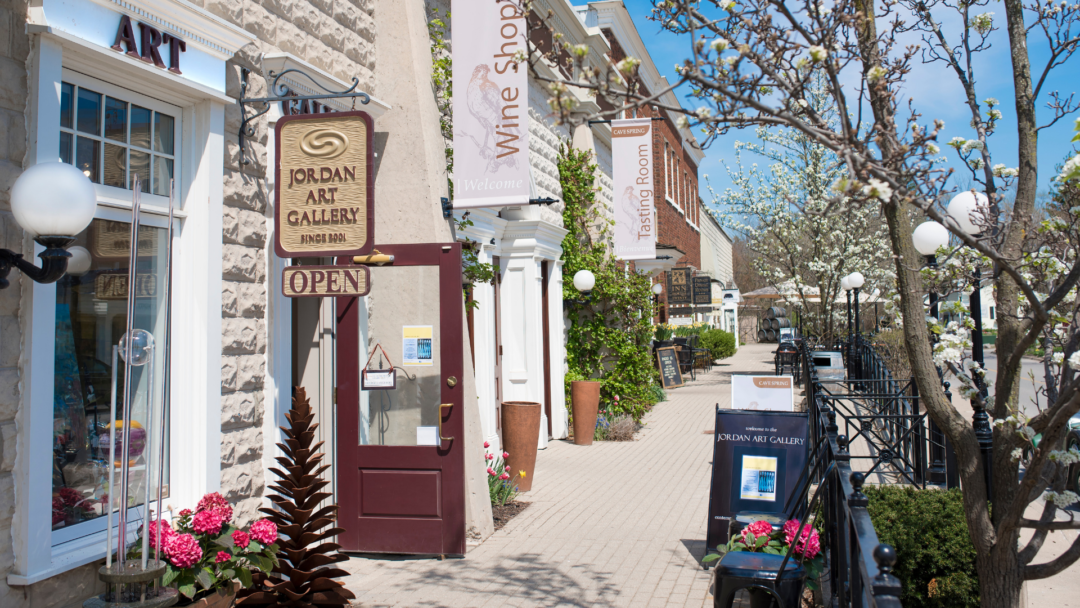
Jordan Niagara

Jordan Village | Niagara | Courtesy of Jordan Village.ca

Read more about Jordan, Ontario here.
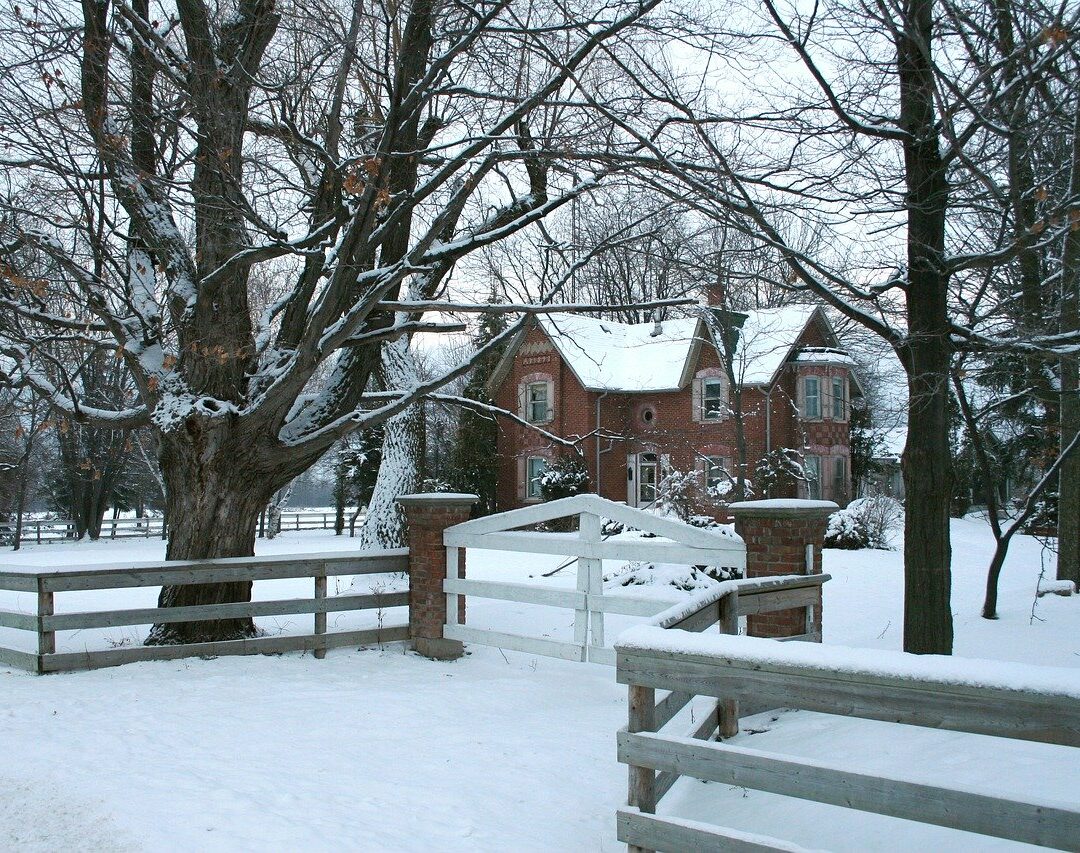


7 Essential Things to Consider Before Buying a Rural Home

7 Essential Things to Consider Before Buying a Rural Home

The benefits of living in the countryside seem endless. Peace and quiet, less light, air and noise pollution. Stunning views, wildlife and a chance to do more with your property.

We were recently visiting friends the other night who’s home sits atop the Niagara Escarpment in Pelham. During an early evening stroll through their property, we saw a family of whitetail deer run through the wooded section of their property – just lovely!

Here are 7 things you should consider before making the move to a rural home.

1.  Your Plans For The Property.

Do you hope to raise animals on the property? Build a small barn or large storage facility? Make sure to check with your municipality that you can go ahead with these plans BEFORE you buy the home.

The two most common restricting forces you could run into when wanting to make changes have to do with zoning and conservation.

a) Zoning by-laws

Existing zoning and zoning by-laws place by municipalities can have an impact on:

  • How you use your land
  • What type of structures you can have on the property
  • Where structures are placed on the property
  • Specific use restrictions (e.g. size of your property and the number of livestock animals you can keep there)

b) Conservation Authorities, or the Ministry of Natural Resources & Forestry

These authorities can also have an impact on what you do with and on your property. Especially as country homes are oftentimes located in protected areas (like the GreenBelt). Restrictions might be anything from what you build on your property, the animals you keep to restrictions on cutting down or altering trees.

2.  How Far Away is Too Far?

You’ll definitely want to consider how far away from your current home is too far! Having to make a 10+ minute drive back into town because you forgot to buy milk might not sound too bad but after it happens a few times, it can get frustrating.

Being that much further away from friends may mean you don’t see them as often as you did before. And going out for dinner can feel like a task when you have a 20-minute drive back home.

If the school bus doesn’t have a route passed your new home you may have to drive your kids to a spot that the bus does come to or drive them into school altogether.

Although, in our opinion, the benefits of living in a rural home completely outweigh the concerns of being too far.

Nowadays it is also possible to buy a country home that is not too far away from all the amenities you might love about city life. It all just depends on you and the lifestyle you prefer.

3.  Types of Utility Systems

Septic System

You can find country homes on the outskirts of town that are connected to local municipalities – making the transition from city to country living a breeze.

However, the majority of countryside or rural homes on the market today have some sort of utility system that you don’t see in town.

In short, drinking water systems often come from wells or cisterns. Your sewer system is often a septic system with some sort of absorption or leaching bed. Heat can be produced by propane, occasionally electric or an oil type system as well.

For more information on these types of systems, you can read this article here.

4.  Living Next To Operating Farms

Farm Operations Hay Field

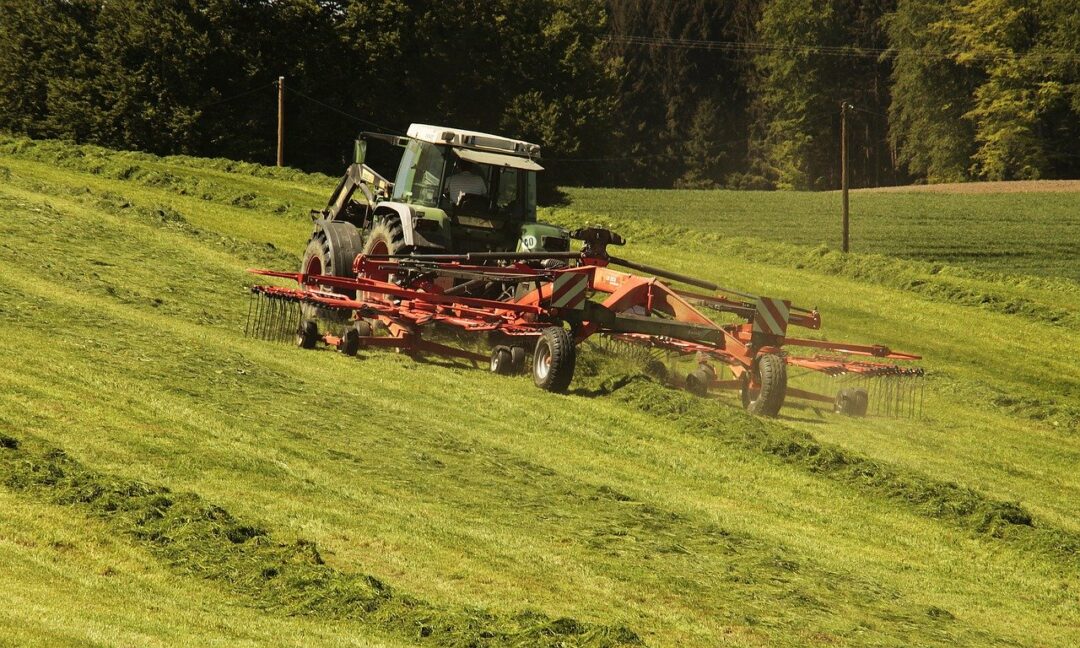
Often times living in the countryside is glamorized by large manicured lots with grand estates, where the neighbouring farm has cows dotting the hillside, an adorable little farmhouse and red barn that tie it all together. Don’t get me wrong, with the right budget we can probably find this for you but sometimes living near operating farms can take some getting used to if you have always lived in the city.

A few years ago we kept our horses at a barn in Wainfleet and right next door was a farmer’s field. Every summer the farmer would fertilize his field with a very (VERY!) pungent-smelling fertilizer. It was chicken manure fertilizer.  I spent a lot of time on a dairy farm with my best friend growing up, I can handle animals smells of all kinds but this would definitely take some getting used to.

You might be changing the sounds of traffic and fire trucks for machinery operating in the early hours of the morning and more dust. Most people are fine with this but occasionally some are not.

I only bring this up as a point because we have heard a few stories of people being unhappy living beside a farm and have tried to make complaints against the farmer (silly I know). Farmers are an integral part of our community and we always want to make sure our clients know what they are getting into before we make an offer.

5.  Road Accessibility

It is a good idea to look into how accessible the road getting your property is year-round. 

This typically won’t be a problem if you live close enough to town but it is not uncommon to find that rural roads may not be plowed in the winter by the municipality or if they are, they are plowed last.

In more rural settings, sometimes private companies are contracted out to plow these roads for you, with the neighbours who live on the same road often sharing this cost.   Sometimes the road can remain unplowed for days depending on the amount of snowfall and getting down your road could be a real challenge.  

If you can’t get down your road the school bus can’t either which means kids may have more snow days in the year; I am sure they won’t mind this, but it is something you will have to plan for.

6.  Having the Right Maintenance Equipment

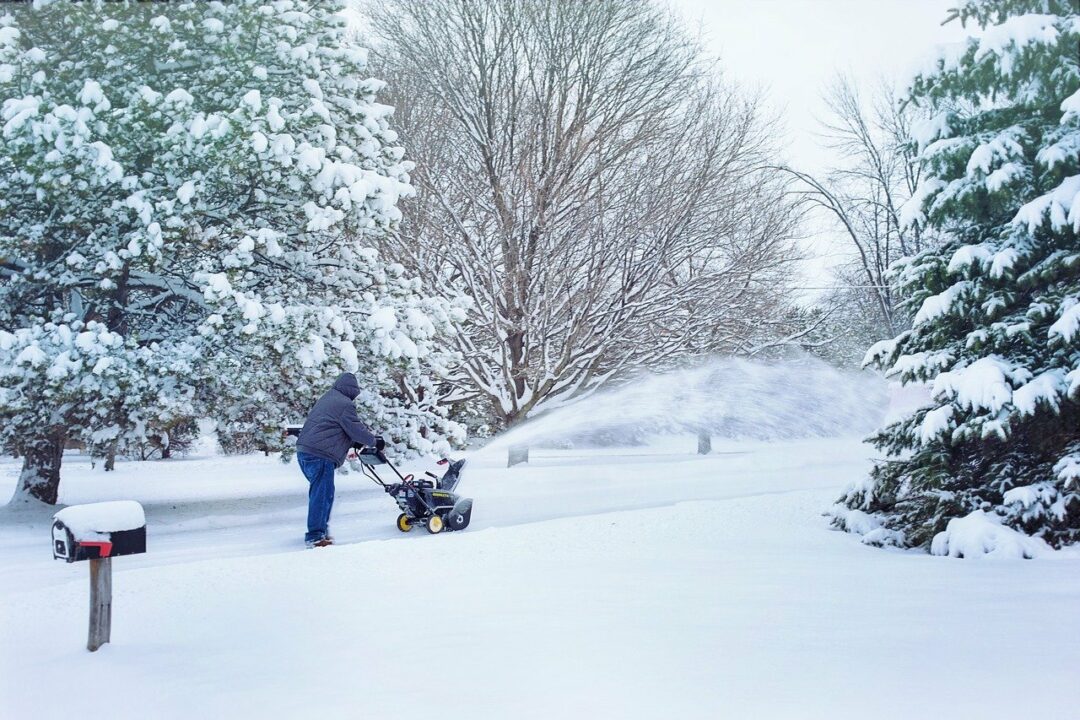
For those winter months you may need a snowblower if you’re on a big lot with a relatively normal-sized driveway, but if your driveway is two hundred feet long or more, having a tractor with a plow might be an essential piece of equipment to purchase. 

For the spring, summer and fall months you may need a riding lawnmower, or possibly a tractor with a bush hog to cut the grass.

Hiring someone to plow your drive or mow your lawn is also an option.  

Snow Driveway Country Living

7. Is the Country Lifestyle For You and Your Family?

For some people buying a country home means more space and a chance to use the land by either keeping a few animals like chickens, goats, more dogs and so on. Others have the idea of growing their own fruits and vegetables in an aim to become more self-sufficient. Others simply want a bigger house, a bigger property and more privacy.

We like to make sure that, no matter what reasons our clients have for wanting a more rural lifestyle, they know what they are getting into.

Definitely consider why you think this lifestyle is for you. If you enjoy the nightlife or dining out every night and the buzz of a busy city then no, rural or country living may not be your thing.

Living on a large acreage will be work on some days, and the reality of living the countryside dream might not be as romantic as once thought.  All of this said, most people considering this lifestyle are not going to mind the extra work and are likely to find it gratifying and worth it.

If you are considering buying a country home, we, and many others, recommend downloading our FREE Country Home Real Estate Guide.

Rural Home Utilities in Ontario

Rural Home Utilities in Ontario

Moving to the countryside can be a big leap for people who have been used to a small home in the suburbs or a condo apartment in a big city.

One of those hurdles to get used to are often the utility systems that can come with country or rural living. 

We have put together a little list of the utilities you might expect to find in a country home in Ontario.  These are by no means extensively detailed explanations of how these systems work but rather a basic overview.

You can click on the links below to jump to your utility of interest.

HEATING

There are a variety of heating types found in country properties, from old electric systems to propane and oil systems as well.  If you are not too far out of town you may even be lucky enough to be connected to a natural gas line but of course, that depends on where the nearest gas line is located.  Some older properties may even rely on wood stoves and fireplaces for a portion of the heating but those are relatively rare (and also quite self-explanatory) so we won’t be covering those today. 

Propane

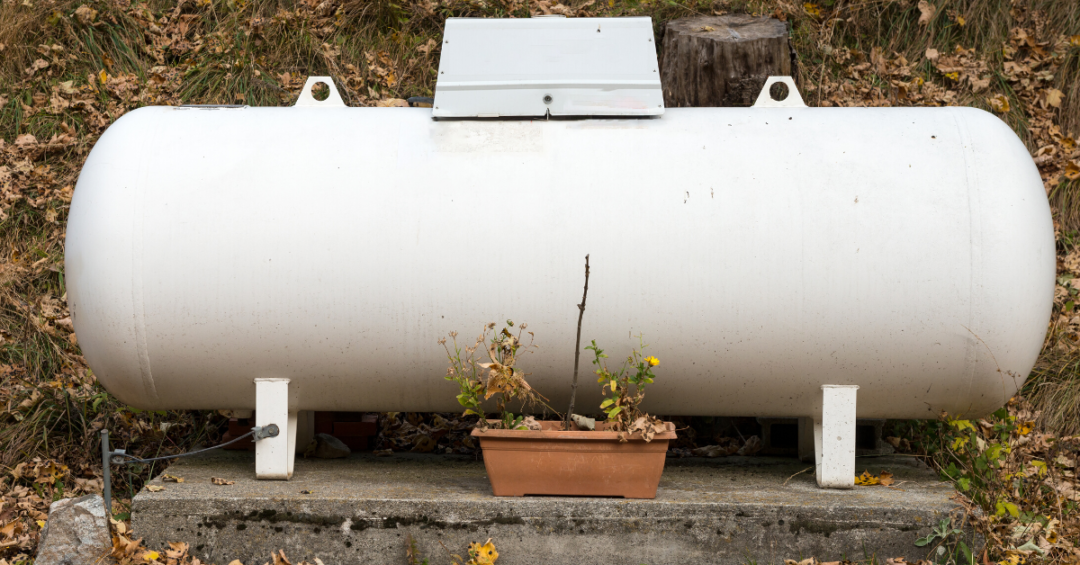
Propane has a pretty good reputation when it comes to heating homes. It is typically a cleaner alternative to oil and quite an efficient way to heat your home when compared to natural gas or electricity. Propane is stored as a liquid in a tank outside of the home (either in an above or underground tank). These furnaces work very similarly to any other forced air furnace. Propane typically needs to be delivered to your home by a licensed company which is the only real “inconvenience”. You can also use this propane for items such as gas stoves, fireplaces, and even hot water heaters. If you’d like to get into the nitty-gritty about propane you can read more here. 

Propane Tank

Oil

Typically you’ll either find a furnace or boiler system when it comes to oil heat. In short, there is a combustion chamber where the oil is ignited and then an exchanger that warmers the gases. 1. Furnaces use a fan or flower and vents to send the warm air throughout the home. With a 2. boiler you’ll likely see a pump pushes heat through pipes to radiators. Here’s smart touch energy again with more in-depth information on how oil heat works.

Electric

Typically found in older homes. Electric heaters or furnaces aren’t very cost-effective at least here in Ontario where our hydro costs are very expensive. You’ll need to be hooked up to the grid to have this type of heat (similar to natural gas). Typically no ductwork is found if the home was originally built with the intent of heating the home via electricity. So, in homes like this, you often find that they also don’t have A/C. It is, of course, possible to remove and install a natural gas or propane furnace but ductwork will need to be added which can be costly.

GeoThermal

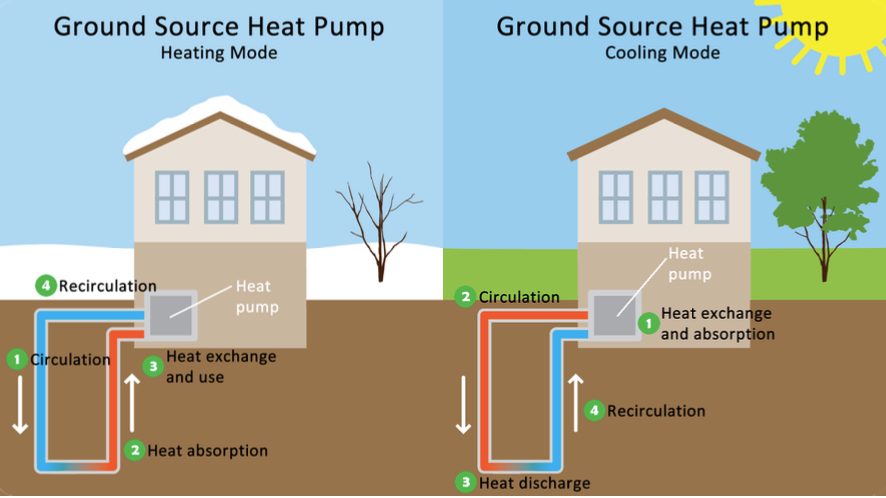
There are several types of geothermal heating and cooling systems available. We won’t be going into each and every one. Here is a great guide if you’d like more in-depth details. In brief, pipes are buried into the ground below the freezing line. Both an ethanol-based fluid in the pipes and the heat from the earth are extracted and transported through these pipes into the home. The heat is then distributed throughout the home either by ducts or radiant heat.

geothermal heating

Credit: Geothermal Heating EPA


Natural Gas

Most of you know what these are all about so we won’t go into great detail here. If you live in a relatively modern home in an urban area you could find a house that is heated via a natural gas furnace.

When it comes to heating, we sometimes see a combination of some of the above in rural and country homes. For example, you might have an electric and propane combination. We often see a lot of homes in the country with electric or wood-burning fireplaces as well which help to heat your home.

WATER

Well

Depending on where your property is located and if there is adequate and safe groundwater, your country home will likely have a well. In short, a well is dug and a pump inserted that brings up the water from the ground and into your home. Having a useful well is great because you don’t have to pay for water. However, before you purchase a property it is essential that you have an inspector inspect the well and get well tests done to ensure it is safe for drinking and not contaminated. For more details click here.

Cistern

When your property does not have adequate or safe drinking water you’ll likely have a cistern. Essentially there is a holding tank that either collects rainwater or you can purchase the water yourself and have it trucked into your property.  If you have ever seen the trucks with tanks on the back that say something like “Ed’s Water Haulage”, “Ed” is trucking water to someone who has a cistern that needs filling.

Municipal

There are country homes that, if not located too far outside of town, are or can be connected to the local water system. This makes things simple for those moving from the city to the countryside.

SEWER

Septic System

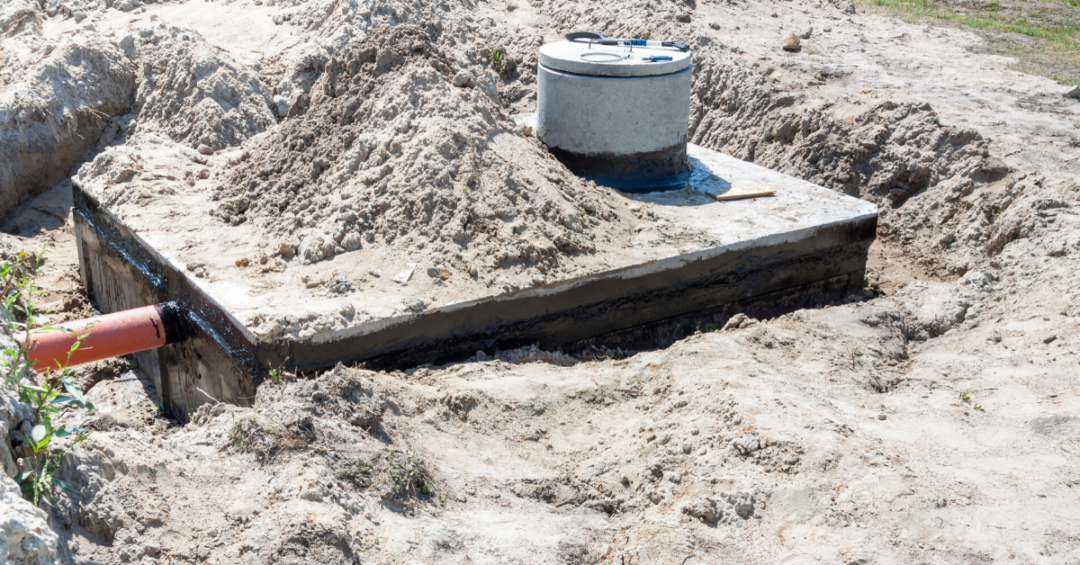
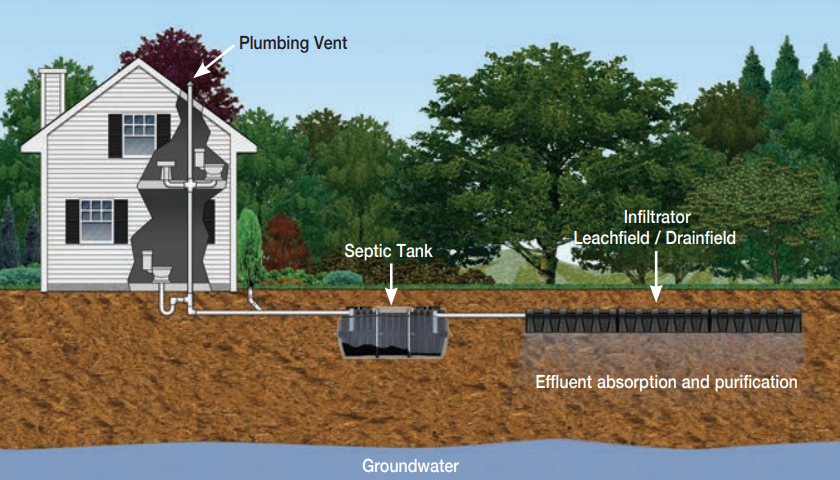
In the countryside, it is common to have what is called a septic sewer system.  There are quite a few different types of septic sewer systems, but the most common one in Ontario is the septic holding tank combined with some type of absorption system such as a leaching bed, where liquids are filtered through and then absorbed back in the ground.  The solids and sludge in the tank will require an outside service company to visit the property from time to time to suck out all the contents with what is basically a giant vacuum on the back of a big truck.   There will be a cost for this service so it is something to budget for.  As the property owner, the condition of this system will be your responsibility, so being careful with what you flush or dump down the drain will be something you will want to educate yourself on. You can read more here

Septic System

Municipal Sewer

Again, if the property is located close to city limits you might be lucky enough to be connected to the local sewer system meaning you don’t have to worry about maintaining or keeping an eye on your septic system. However, you are then connected to the grid.

Electricity

This system is pretty straight forward.  Unless you are building a house that you have to fly in a bush plane to get to, you will most likely be connected to the electrical grid. 

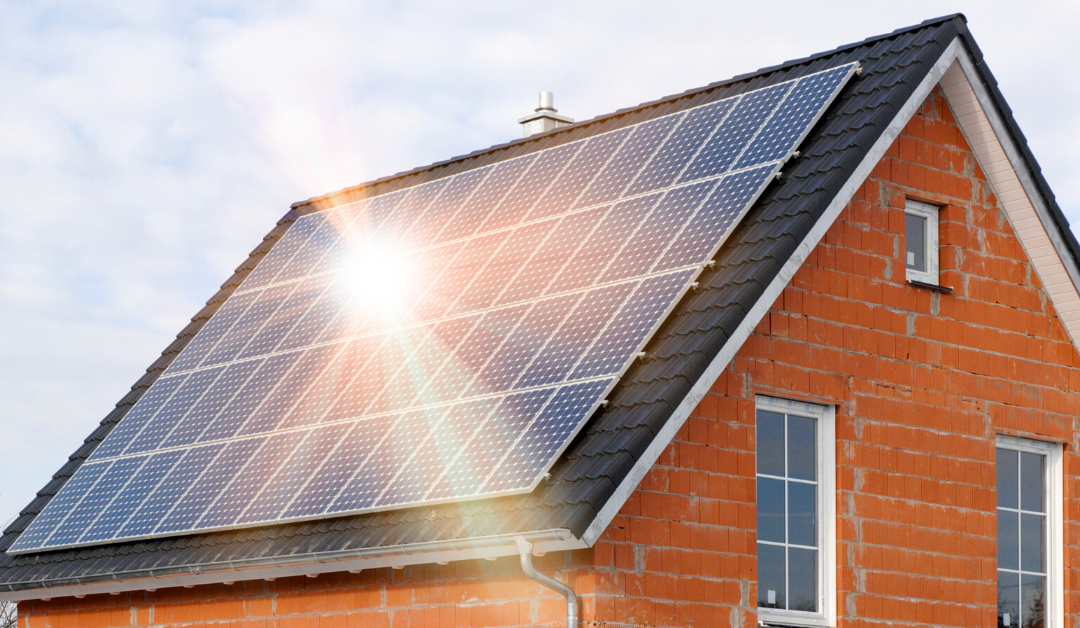
One potential opportunity though would be to supplement your electricity by creating your own!  This will be site and location dependent.  But if your plot is right, you may want to explore, solar and wind as possible systems to create some of your own power.   If your property and systems are large enough you might even be able to obtain a contract with the Ontario government to sell electricity back to the grid.  This would require a real cost to benefit analysis, as large scale systems are expensive and you are required to pay for the system yourself.  Speaking to an expert will give you clarification on whether this is a viable option worth entertaining.

If you have any questions, reach out.

Avoid Buying Your Country Home Near Future Development

Avoid Buying Your Country Home Near Future Development

A longtime friend of mine has owned a farm on the border of Fonthill. A farm that has been in their family for generations.

Aside from a few country properties across from and neighboring them, they enjoy wide-open spaces in a wonderful rural setting.

Well, they did until a few years ago.

A farm down the road sold to a developer and because this particular area is not within the Greenbelt protections, the developer had no trouble changing the zoning and building a subdivision.

My friend and her husband had not seen this coming. Unfortunately, in most cases, it is extremely difficult to guarantee that your rural property will be safe from nearby development.

But, arming yourself with knowledge on the area you are buying in could help mitigate SOME of the risk.

Here are some tips:


Living in Protected Areas

Buying a country home in a protected area like the GreenBelt could thwart some of the risk of waking up to bulldozers on the property beside you.

Of course, this could change at any time but we hope not.

Properties protected under the Niagara Escarpment Commission or Oak Ridges Moraine Conservation Plan may provide you some protection as well.

Again, it is impossible to give you a guarantee that things will not change in the future. Take a look at this MAP showing over 600 requests and accompanying reasons to remove specific sections of land from the Greenbelt.

Now, bear in mind that living in these areas may also make it difficult to make changes to the home and property itself.

You will likely need permission and approval from conservation authorities and environmental protection agencies to add extensions, build new buildings and even remove trees on the property.

Contact the Ministry of Natural Resources and Forestry to get more information on types of property protections and how these can help you.

Connect With The Local Municipality

The local municipality should be able to confirm current land zoning, future use and planning allowances for your property of interest and the properties surrounding it.

Investigate to see if there are any applications to change the zoning of properties near your home of interest and go from there.


Be Wary of Buying near Major Highway Corridors

Towns along the 401 and 400 highways have been seeing a large amount of development over the last number of years.

The 401 towards London, in towns such as Woostock and Ingersoll, have seen growth in the number of subdivisions being built.

Interestingly, Stratford and St. Mary’s – two quaint towns set a little ways back from the highway – are seeing an increase in the rezoning of agricultural land on the outskirts of town as well.  All to accommodate more housing developments.

New Techumseth, recently making the ‘Top 25 places to live in Canada’ list, is definitely one to watch. Most of the community is outside of the Greenbelt protection and only just a 1hr drive to Mississauga and 1hr30 minutes to downtown Toronto.


Be Wary of Buying Country Homes on The Edge of Town

This is best described with an example. We’ll use Niagara.

Generally, the Niagara Region has a tight plan when it comes to development.

The municipality has been consistent with protecting agricultural land and conservation areas from housing developments.

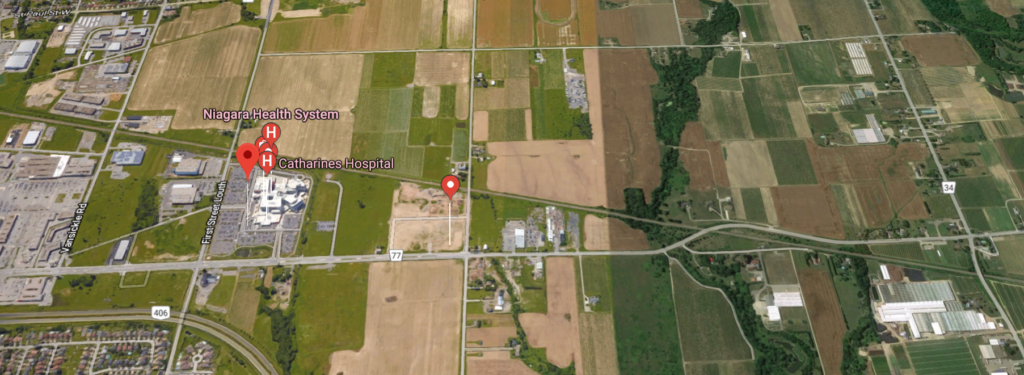
However, the 2013 Niagara’s GreenBelt Review Summary presented questions as to why First Street Louth and Fourth Avenue (where the new St Catharines General Hospital was built) were still included in the Greenbelt despite the growing amount of development surrounding these streets.

The Louth neighbourhood that encompasses these streets – just on the southeastern outskirts of St Catharines – is primarily dominated by agricultural properties, wineries and a number of country homes as well.

As far as I know, there are NO plans in place for developers to buy up the land here.

But without a crystal ball (and maybe even with one) it is tough to tell what could happen with so much development just a stone throws away from these streets.


Investigate The Growth Plan & Unprotected Lands.

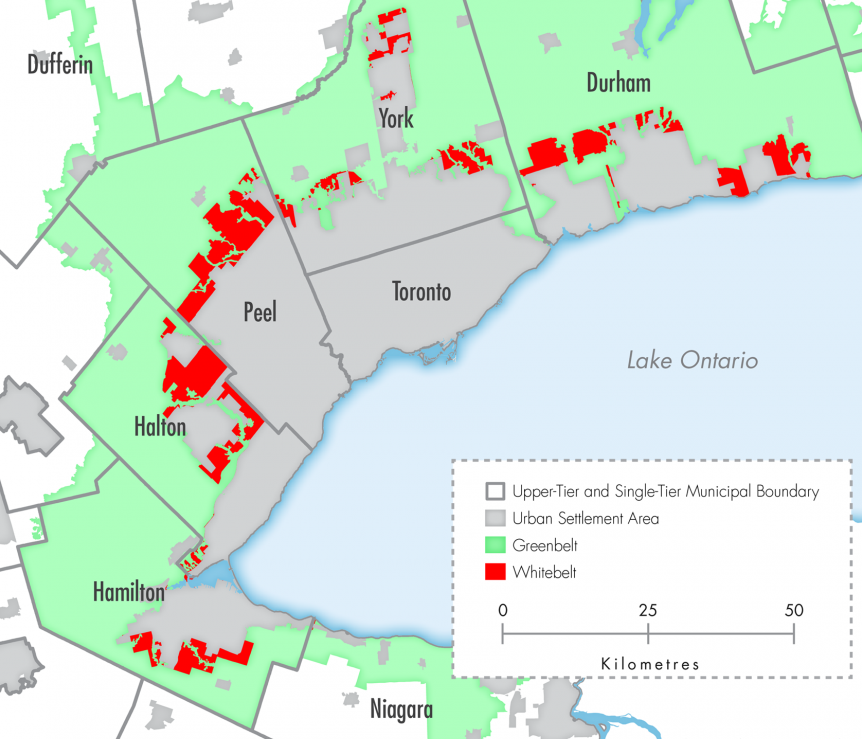
The WhiteBelt includes sections of undeveloped land that lie between existing urban settlement and the greenbelt. This land is currently being used for agricultural and rural uses. See below in Red.

White Belt - Nepsis Foundation

The Growth Plan 2017, is a strategic policy set out as a sort of blueprint for urban and economic growth around the Golden Horse Shoe. This is a Map excerpt from the 2017 Growth Plan document showing the potential use of the Whitebelt for urban growth and expansion.

Currently, these lands have not been designated for urban use but they do not have the protection of being in the Greenbelt either. If you are buying a country home within or bordering on the Whitebelt, investigate with municipalities, environmental agencies and conservation authorities to see what the future may hold for these properties.

It is easy to speculate about future development but difficult to get it exactly right 100% of the time. The tips given above are just that, tips. Many country properties are located within protected areas and frankly, the chance of having a subdivision spring up next door is relatively slim.

But it doesn’t hurt to do your due diligence before you buy any property.

Let these tips serve as a simple guide to help you decide where the best place to buy a country home might be for you.


Ideal Horse Farm Layout For Every Acreage

Ideal Horse Farm Layout For Every Acreage

The feeling of driving down a tree-lined driveway to arrive at a gorgeous, and well planned out equestrian facility is something special. Prim paddocks, organized buildings, and space that works best for both horse and rider is what most of us equestrians dream envision for our horse properties. 

If you are thinking of building an equestrian facility from scratch then this is a must-read article!  Here are the best Horse Farm Layout Examples we have found for smaller sized equestrian properties.

Can you ever have enough land when you own horses?

Technically, the more land you have, the more horses you could have… And potentially, the more land you have the more options you have for bigger barn space, more arenas (who doesn’t want a large sand ring, a large derby grass ring AND two indoors?), and possibly even a conditioning track?

If only it were that easy.

Land and money are both finite resources (for some of us), and so often times this means we have to work with what we have.

Here are a few great examples of various sized horse properties. They show great ways to be creative and make the most of the land you have.


5-Acre Horse Farm Layout

In today’s world (and real estate market), we see more and more people owning a modest equestrian facility and utilizing the land as best as they can.

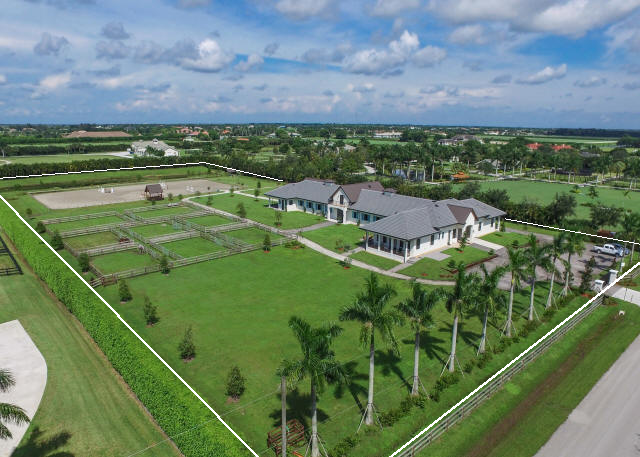
If you’re looking for a cozy 5-acres for yourself and your horses, here is an excellent example.

These images were taken from a horse farm in Wellington, Florida. You’ll notice the lack of indoor arena but you’ll also notice that there is more than enough space to put one in.

You have space enough for 6 individual paddocks and 2 group turnout paddocks. Where they currently have the home, I would instead have a 10-stall barn. The Indoor arena would then attach to the barn in the back. A modest home would fit neatly onto the green space to the left where you could overlook your paddocks.


10-Acre Horse Farm Layout

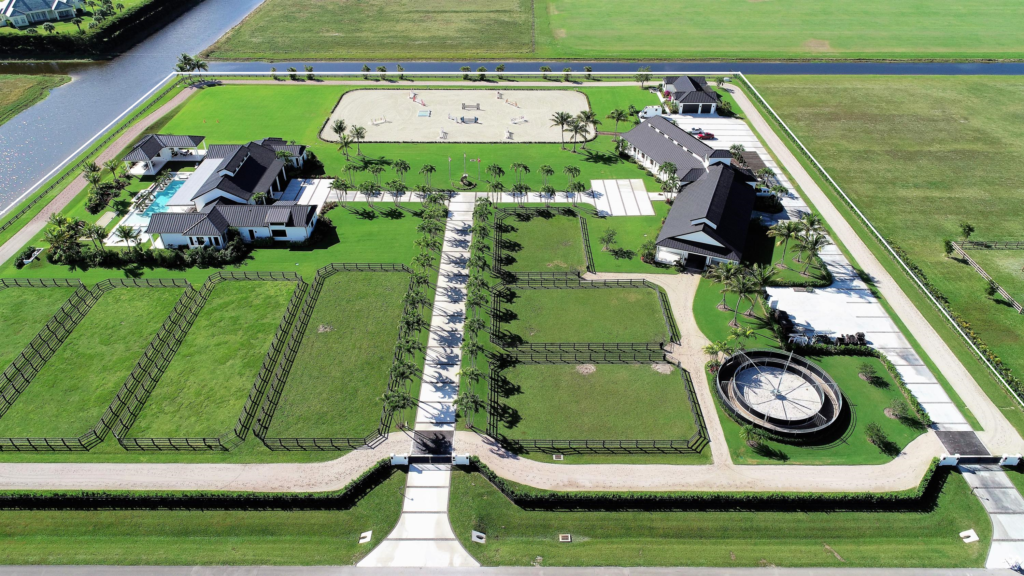
You might be able to tell from this example that we are back in Florida. 🙂 This luxurious facility houses 14 horses, offering two beautiful, big outdoor arenas, a big home, large paddocks and a hot walker. There is also staff housing located on the property.

There is no indoor arena on this property either but with a little bit of re-configuration, you could easily put in an indoor arena. Besides, the house is a little grand for my taste and with a smaller home, you would have a little more land to play with.

The thing I truly LOVE about this layout is the track that traces around the property – perfect for cooling out the horses after a hard workout.


20-Acre Horse Farm Layout

With 20 acres of land, you have space enough for a large and grand equestrian facility.

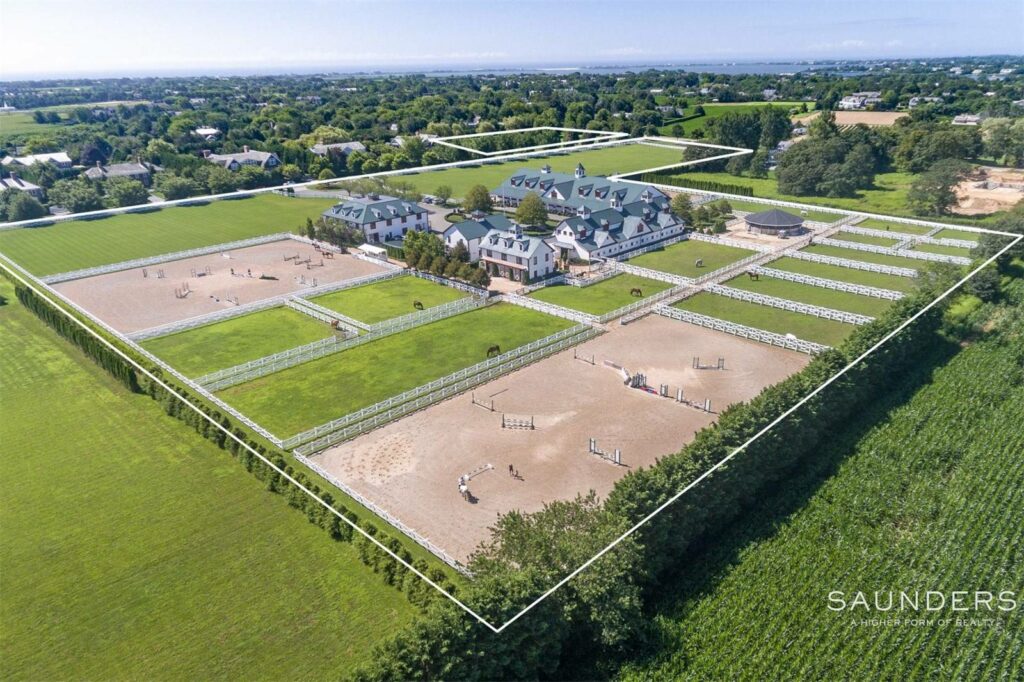
The property example below is currently for sale in the Hamptons, curtesy of Saunders Realty. You can marvel at the entire property here. This is definitely a grand estate with a hefty price tag to boot.

Here you have a very neatly laid out property. An indoor arena and three outdoor arenas (2 sand, 1 grass). There are two residences on the property. One for the owner and the other is staff housing. 14 paddocks (if well managed) offer more than enough space for the 27 horses that the barn accommodates.

With this size of property, I would probably turn one of those sand rings into a grass ring and use the front two fields to produce my own hay.


50-Acre Horse Farm

With 50 Acres there isn’t much you can’t do in terms of layout.

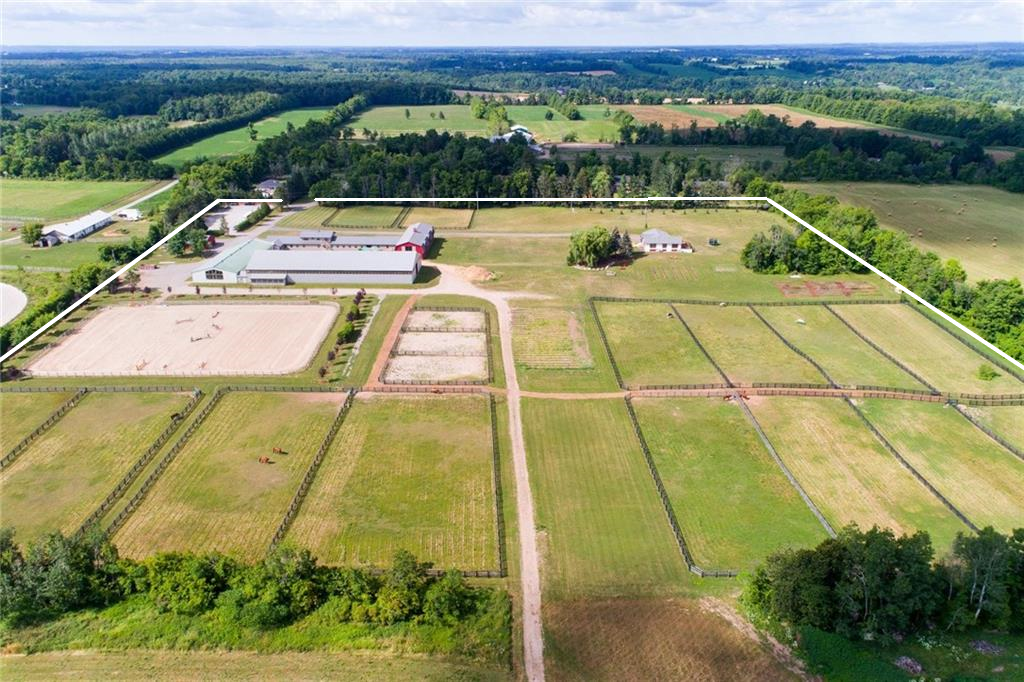
I am using the boarding facility Shenandoah Equestrian in Burlington as an excellent example of a well-utilized and well laid out 50-acre horse farm.

This property houses up to 30 horses, offers tons of paddock space and more than enough riding arenas – with 2 indoors and a large outdoor sand ring. There is also a large home on the property as well as a hay field and still a lot of room to spare.

We hope these examples of smaller equestrian properties will help you on your journey to designing your own layout for your equestrian property.