6 Common Concerns of First Time Rural Home Buyers

6 Common Concerns of First Time Rural Home Buyers


Buying a rural property or country home can be intimidating. Arming yourself with knowledge and as much information about country living beforehand is the best way to feel comfortable and confident with buying this type of property.

In this article, we go over 5 of the most common concerns that first time rural home buyers have and dive into how you can overcome them.


1. Can I afford to buy this house?

A question asked by many people looking to buy a home, any home.

To answer this question it is essential that you speak with a mortgage broker (or your bank) to find out what price of the home you would be PRE-QUALIFIED for BEFORE you even start seriously looking for a country home to buy. This will give you an idea right off the bat what price range you can look in. 

You can contact us for a list of trusted mortgage brokers and lenders.

Now, just because you can afford let’s say, a $900,000 country home, doesn’t necessarily mean you should buy one.

If buying a $900,000 home is going to put more strain on your finances, or worse if you are going to be living paycheque to paycheque in order to make the mortgage payments on this home, we would strongly recommend considering a more affordable rural home.

You can use this mortgage calculator to figure out an estimate for your monthly mortgage payments to help you get an idea of what you’ll need to budget for on a monthly basis.

Along with mortgage payments, you’ll have similar costs to what you’re used to in the city… property taxes, home insurance, utility bills (although these might be slightly different), as well as the added costs of maintaining your property and utility systems (more on that below). All things you’ll want to budget for.

If you need an outside perspective, consider talking with an accountant to analyse your income and expenses as well. You are welcome to contact us if you would like accountant recommendations. 

This leads us to our second point that will continue to help answer the affordability question.


2. What costs are involved in the purchase?

To help you decide if owning a country home is something you can do, here are some costs you can account for. Using these estimates might help you to come up with a financial plan for the purchase of your rural home.

Land Transfer Tax – you will have to pay land transfer tax when you buy a home. To calculate an estimate of this cost you can visit our Land Transfer Tax Calculator page here.

Lawyer Fees – It can be difficult to accurately estimate these fees. The best thing to do is to contact your lawyer for an estimate. Typically we see fees being around $1,500-$2,500 depending on the property.

Home Inspection Costs – A home inspection for a country home can range from $400-$600 depending on the property.

Septic System Inspection Costs – Private septic system inspections in Ontario can range from $250-$420. This cost could be higher depending on how thorough of an inspection you decide to do or is possible.

Well & Well Water Inspection Costs – You’ll definitely want to have the well and well water checked out by a professional before making a rural home purchase. Typically with a well inspection, you are going to be testing for well capacity, flow pressure, and water safety/potability. You can expect to pay $150-$400 for a well inspection. This cost will depend on the type and number of well water tests you elect to do. 

Title Search Insurance – It is not mandatory that you have title insurance when you buy a home in Ontario. However, most mortgage lenders require it if you are getting financing with them, especially when there is no property survey. This can cost $300-$500 depending on the property. This is usually only a one-time fee that will make up part of your closing costs.

Home Insurance – You can get an estimate of your home insurance by going online or speaking with your current home insurance provider. We cannot provide an estimate here because there are many factors that go into calculating the cost of your home insurance. 

Property Taxes – You can get a pretty good estimate of what your taxes are going to be by looking at the country home listing. Often times the listing will include either the current or the previous years’ tax amount. You can also use a property tax calculator for the region you are searching for a home in, but these aren’t always 100% reliable.

A note on Commission Fees – There is a common misunderstanding with some new home buyers that they pay commission fees. This is not the case. The seller pays the commission to both the buying and selling agents. Unless some sort of agreement is made between you and your agent prior to the purchase you will not owe any commission fees.


3. Am I overpaying for the property?

There is no exact formula that you can come up with to answer this question for you. There are a lot of factors that go into deciding what price you can and should pay for a property.

Here are some factors that you can investigate so you feel more confident about the price you pay for your country home.

Market conditions

Ask yourself what the current market conditions look like. Are we in a seller’s market? A buyer’s market? A balanced market? What is going on in the economy? What are interest rates like? And so on. All of these factors (and more) are going to have an impact on what price you end up paying for the property. If we are in a seller’s market, you can expect to pay a premium for the property since there likely won’t be many other options to choose from. There could even be a chance that you end up competing for the property. If we are in a buyer’s market or one that is more balanced, you may be able to negotiate on the price.

 
Comparables / inventory / time on the market

Looking at recently sold listings (~ 6 months to date) can give you a good idea of what houses are selling for. As mentioned above, less inventory on the market means you have less to choose from and you may not be able to negotiate down on price as much as you might want to. If the property has been sitting on the market for some time it could be that a) It is overpriced or b) something is wrong with it that is not immediately apparent from the listing or c) we are in a buyer’s market and there are a lot of other homes to choose from, all of which give you an opening for negotiating on the price.

Now, rural homes are special and oftentimes unique from one to the other. In urban or suburban neighbourhoods, looking at comparables is essentially comparing apples to apples but with rural homes, this is often not the case. Also, a country property may have a particular feature that is more valuable to one buyer but maybe less so to others. The buyer who values a certain feature may be more willing to pay a higher price for this home than another buyer. This is something that needs to be accounted for when comparing sold rural listings to come to an agreeable offer price.  

 
Neighbourhood

It is a good idea to know what neighbourhood you’re buying in. With country homes you don’t necessarily have “bad neighbourhoods” but there are certainly areas you want to be in and others you might not. The neighbourhood you want to be in will depend on where you want to be, what price range you are looking in and how important the perceived value of the area is to you.

For example, if you need to commute to Toronto but want to live in the Niagara Region, buying a rural home in Grimsby is going to be more valuable to you than say buying in Sherkston (Port Colborne), even though on average rural homes there might be slightly cheaper.

The Home and Property

Is it the right home and the right property for you? This is a question only you can answer. And you need to decide what you are willing (and of course, able) to pay to get the ideal home for you. We’ve had many clients that decide to purchase a cheaper property and put money and work into the home to make it ideal for them. Others are willing to pay more than asking in a competition setting because it is the perfect home for them. And some prefer to wait for the stars to align where the right property and the right price come together. All of which is perfectly fine! At the end of the day, the decision is ultimately up to you. 

4. How much work is involved in maintaining the property? 

We can’t really answer this question without knowing exactly what property we are looking at. Naturally, this is going to depend on the size of the property, how much of it is lawn vs. naturalised, the length of the driveway, the type of property and so on. 

The best thing to do, once you have settled on a property, is to make sure you have all the equipment you will need to maintain the property. At times, the current owners will leave items behind such as a riding mower or snow blower if they don’t require it at their next property. We have a client / friend who got really lucky when he purchased a country where the previous owners left him a tractor! 

If you have a lot of lawn you will definitely want to invest in a riding mower or budget for hiring out landscapers for the spring, summer and fall months if you prefer. If you have a 600 ft. driveway a tractor and plough is going to be a blessing in the winter months. Items like hoses, shovels, fencing tools and others depending on what your plans are for the property. 


5. How do I manage the utility systems on a country property?

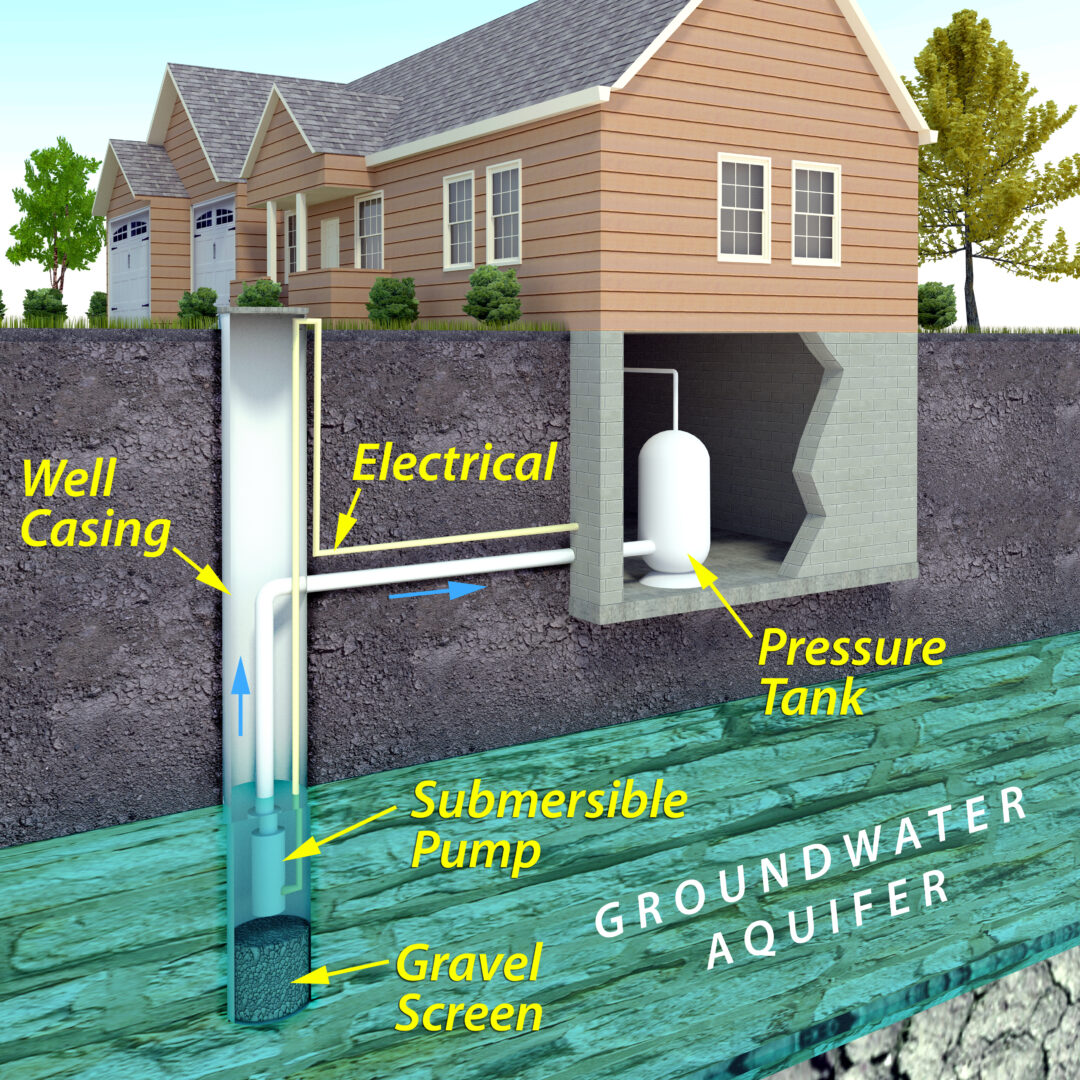
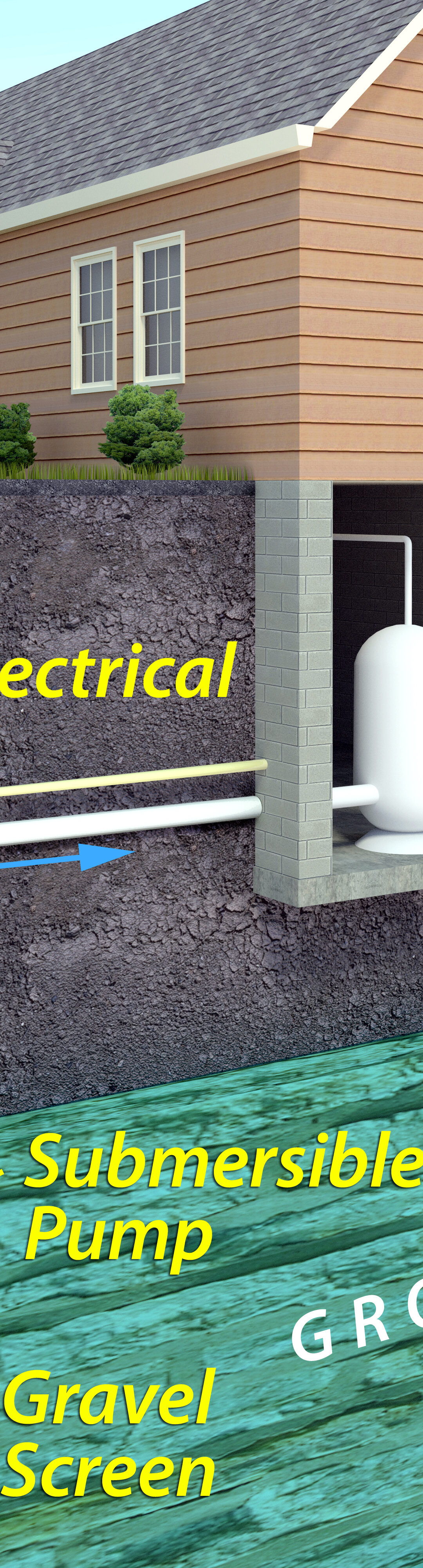
The two main systems you are going to need to get used to and learn to maintain will be your water and your septic systems.

We’ve done an article on caring for both systems (see links below). So we won’t be diving too deep here. In short, caring for your well and septic system involve firstly inspecting them before you even buy the rural home, secondly, preparing yourself with basic knowledge about the system, thirdly, using the systems properly and lastly making sure to conduct regular maintenance checks on these systems. 


6. Is the country life the right lifestyle for me?

Living in the countryside can be a magical experience but at times it can also be hard work.

The good news is there are a variety of country lifestyles you can choose from to suit your needs. You can find smaller acreages closer to town so that you don’t have to change your life too drastically by your move.  At the other end of the spectrum, if you want a more rural life, living far away from any city and don’t mind a 15-minute drive to get groceries, that option is available too. And there are many other options in between.

It is good to remember that, unlike the city, you may have to contend with things like septic system malfunctions, potential well issues, a larger lawn to maintain, often times a larger driveway to plough in the winter, driving further to get groceries, living further away from friends and so on. As we have said many times, this is a rewarding life but just remember to be mindful of all the aspects that come with this lifestyle.

Do you have any concerns about buying a rural home that we missed in this article? You can reach out to us any time and we’d be happy to answer your questions. Email us at info@landandtitle.ca.
 

Don’t Miss Out On Our Country Home Real Estate Guide: A FREE Guide for everything you need to know about buying a country home


First Quarter – 2020 – Rural Home Market Ontario Update

First Quarter – 2020 – Rural Home Market Ontario Update

A quick look at the first quarter of the 2020 Rural Home Real Estate Market. This update covers the months of January to March, 2020.

In January, we finished up our 2019 Annual Rural Home Market Report (which you can read or download here). This report gives readers real estate market information specifically on rural homes and country properties around the Greater Golden Horseshoe area.

Below is a brief snapshot of the 2020 rural real estate market. Covering the Greater Golden Horseshoe.

2020 started off with a bang! The real estate market in all aspects of residential real estate was hot. We remained in a market heavily slanted towards sellers. Pent up demand and low inventory had home buyers feeling the pressure and competition between buyers was ramping up again.

This demand was evident in the overall increase in average sales prices across most major home markets around the GTA.  The rural real estate market saw these increases as well.

Below are the average sales prices and the number of sold listings, comparing the first quarter or 2019 to the first quarter of this year (2020).

It is important to note that the averages listed in the tables below are based solely on RURAL and COUNTRY properties of 0.5 to 100+ Acres sold in the Greater Golden Horsehoe between January and March of 2020.

2020 Average Sales Prices & Sold Listings
JANUARY FEBRUARY MARCH
AVERAGE SALES PRICE $966,382 $937,990 $886,845
# OF SOLD LISTINGS 115 223 272
2019 Average Sales Prices & Sold Listings
JANUARY FEBRUARY MARCH
AVERAGE SALES PRICE $859,034 $893,186 $842,936
# OF SOLD LISTINGS 83 134 170

Both years saw a steady rise in the number of listings sold through from January to March. This is not uncommon. We often see as the weather warms up and we head in to spring, the real estate market is more active with listings and the number of buyers out and about searching for homes.

Despite continued low inventory as we moved into 2020, the average number of actual rural homes sold during these months was higher than in 2019. And this increase in the number of sales did not appear to be a result of lower-priced inventory. In fact, we saw an overall average sale prices increase of about 7.5% across these three months when we compared the two years.

Now, we are all aware that the stay at home order and the overall economic impact of COVID-19 is going to have, we hope, a temporary impact on the real estate market. How could it not?

We will be keeping a close eye on the rural home market over the second quarter of 2020 and will keep you updated on this through our monthly newsletter.

Don’t forget to check out our 2019 Rural Market Home Repot for here.


Caring For Your Well & Well Water

Caring For Your Well & Well Water

It can be a little intimidating to move to the countryside and have to contend with new utility systems.

Follow these care instructions and rest easy knowing you are doing your best to look after your well and well water.

Step one begins before you even purchase the home. We always recommend you get the well inspected and the well water tested.

Initial Inspection

When a well is dug, the installer will submit a record to the Ministry of Environment. This record is kept on file by the Ministry. The current owners should also have a copy.

An inspector often starts his/her inspection by obtaining this well record which will give them details about the well. Details like:

  • Well Location
  • The Age of the well
  • Well Dimensions (depth, diameter, etc)
  • Water levels (during pumping & when static)

During the inspection, the inspector will confirm that the well location is correct and away from any source of contamination. He/She will also make sure there are no cracks in the well casings, the drainage is working correctly, the well pump is working, screens are not broken, and more!

If possible, the water quantity is also checked to ensure there is no risk of the well running dry.

To get more in-depth information on well inspections, you can read more here from Builders Ontario

Caring for your well water

Water Tests

Part of your due diligence on buying a property with a well is to ensure the water safe to use and drink.

To test the quality of the water, samples are sent off for testing. Tests can be done for things like E.Coli, Nitrate levels, Sodium levels, Lead and more.  Again you can read more about well inspections and water tests here. A sample of the water is conducted at your local county or municipal office.

Once you’re happy with the well inspection and you move forward with purchasing the home, it is your responsibility to look after your well.

Maintaining Your Well

Here are the things you need to do to maintain and care your well:

1. Regular Check-Ups & Inspections are essential. Every 1 – 2 years ideally. This inspection will involve someone coming in to check the condition of your well, well equipment and so on.

2. Getting regular water tests is ideal. You’ll want to test your water for E.Coli every year and if possible, it is a good idea to have the Ph levels tested every 3 years. You can send water off for testing yourself here.

3. Monitor your water taste and smell. If anything smells or tastes “off”, you’ll want to contact an inspector immediately.

4. Keep contaminants away from your well (at least 100 ft.)
Contaminants include animal waste, fuels, surface waters, any type of pesticide or fertilizer.

5. Take a walk around your well site to see if you can hear any abnormal sounds being made by the pump. The pump should not be continuously running for example.

6. If you have a spill near your well, do not hose it down. You should instead get in touch with the contacts below:

Contact the person who did your inspection or who does your regular maintenance inspections.


OR


Ministry of Environment:
P. 1-888-396-9355 (WELL HELP)
P. 1-800-565-4923 (PUBLIC INFO)
E. picemail.moe@ontario.ca

For an in-depth understanding of your well and the best way to protect it, you can check out this great resource from Conservation Ontario here.

Preventing issues by keeping up with regular maintenance is a sure way to avoid big expenses down the road.

Caring For Your Septic System in Ontario

Caring For Your Septic System in Ontario

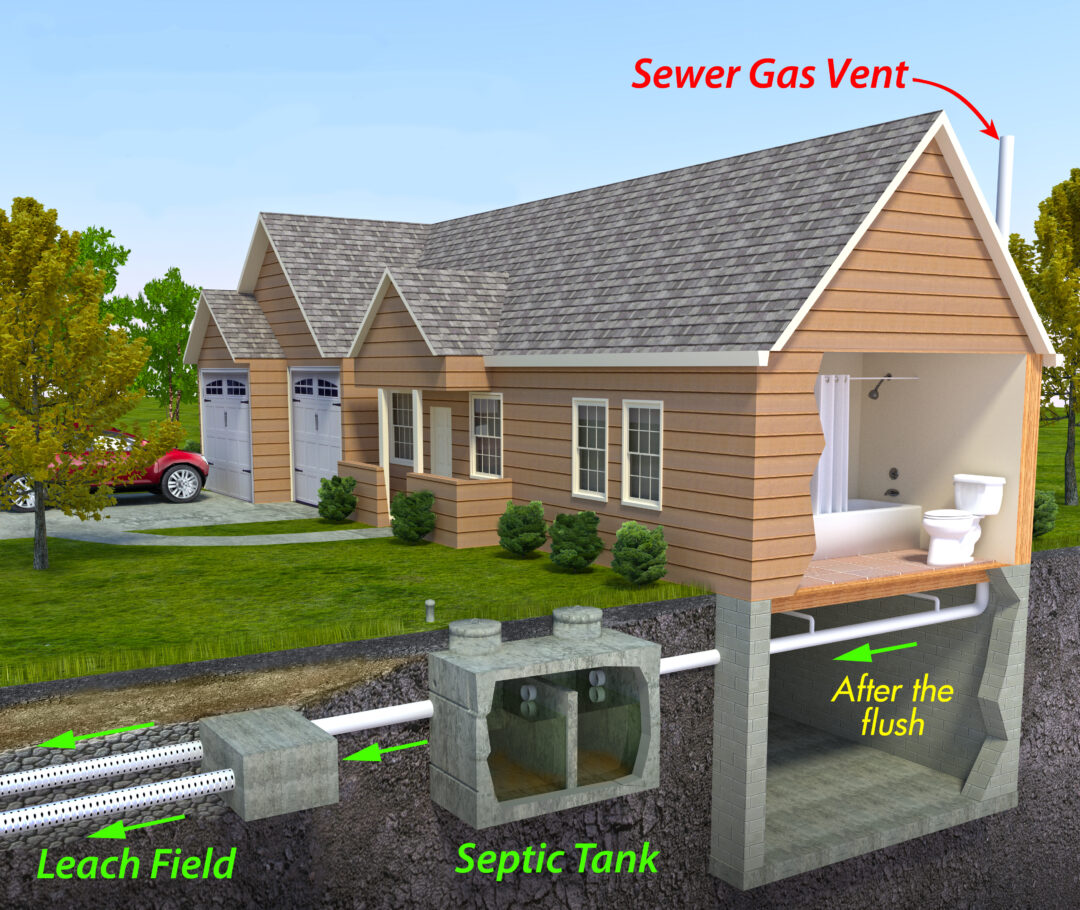
If you’re looking to live the country life, you’re going to need to get familiar with septic systems. This is essentially your sewer system.

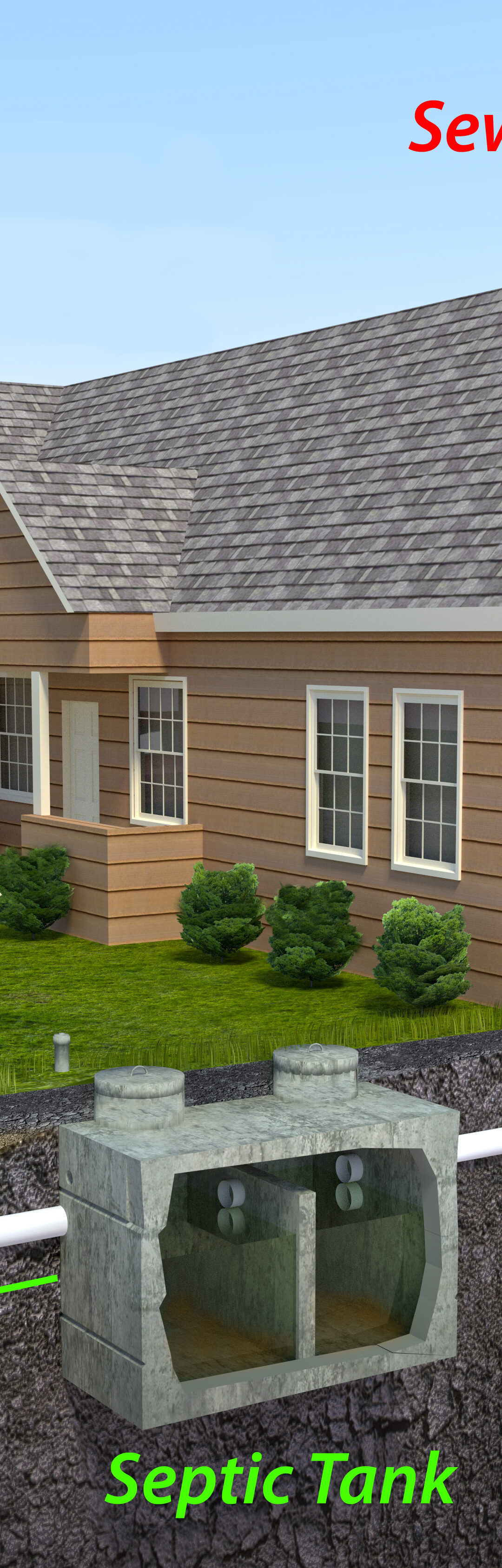
Waste from bathrooms, kitchen sinks, and your washing machine are all distributed through pipes to a septic holding tank where solids are held and liquids are separated. Light solids float to the surface forming a scum layer while heavier solids sink to the bottom of the tank. These solids remain in the tank until it is cleaned.

The separated liquids are sent to a leaching field where they filter through the soil before the remaining “cleaned” water seeps into the ground.

In this article, we are going to go over the very basics of caring for your septic system. If you want more in-depth details on septic systems here is an excellent document and guide to understanding Septic Systems by Builders Ontario.

Caring for your septic system starts with knowing its condition prior to firming up on a rural home.

Caring For Your Septic System

Initial Inspection

Septic systems can be difficult to inspect. The septic tank is more times than not buried underground as are the pipes leading to and from the tank to the leaching bed. Inspectors typically inspect the site where the tank is located to see if there are any signs of a failing system, like a sewage smell or pooling/overly damp areas in the yard.

They might also do a Septic Tank dye test. In fact, your lender might request one.

If the dye test shows signs of leaking or a failing septic system you might need to go to the extent of pumping out the tank to do a more thorough inspection.  This will depend on how badly you want the house and if it is worth going through to this level of inspection, knowing there is likely an issue with the septic system.

To get more information about the septic dye test, please visit an experts’ site here.

In a perfect world, the current homeowner would already have an up to date septic inspection when the house is put on the market for sale. At the very least they should know when it was last pumped and inspected.  But in a seller’s market, this may not happen. Also, you might want your own septic inspection done for peace of mind.

Maintaining your septic system once you own the home

Now to the main point of this article. Caring for your septic system once you own the country home.

1. Regular check-ups and inspections. Depending on your household size, age of the system and tank size, your septic system should be inspected every 3 – 5 years. During these inspections, the inspector can determine when the tank needs to be cleaned out.

2. Know the location of your tank. This may sound blatantly obvious but it is important you know where you septic tank is located so take note of it during your inspection. The current buyer may have a survey showing the location of the tank as well, if not one can be requested from the city municipality office.

3. Maintain and keep all records. Drawings, inspection reports, etc.

4. Controlled flush or more efficient toilets can be more gentle on the septic system and are recommended where possible.

5. Spread laundry days throughout the week rather than doing many large loads on one day to allow time for the system to treat the waste.

6. The most important is disposing of your waste correctly. To keep it simple, don’t put anything in your toilet that isn’t human waste or toilet paper. No exceptions.

7. Don’t put anything over your draining field. For example, don’t park cars over your draining field and no planting trees on the leaching bed or even too close to it.

8. Make sure any water is drained AWAY from the draining field. For example, if you install a sump pump the installer will want to make sure it drains away from the leaching field.

9. Know the warning signs. Some warning signs of a malfunctioning septic system include a sewage smell in the yard, backing up toilets, slow draining in sinks and tubs, bacteria in your well water, surface water pooling in the yard, amongst others … If you notice any of these signs, call an expert immediately.

By taking care of your septic system and staying on top of maintenance, the less chance you have of running into an issue. Replacing a septic system is not cheap.

The 6 Best Places to Buy A Horse Farm in Ontario

The 6 Best Places to Buy A Horse Farm in Ontario

If you’ve been wondering where to best places to buy a horse farm in Ontario are, check out our list of the 6 best towns to buy a horse farm below.

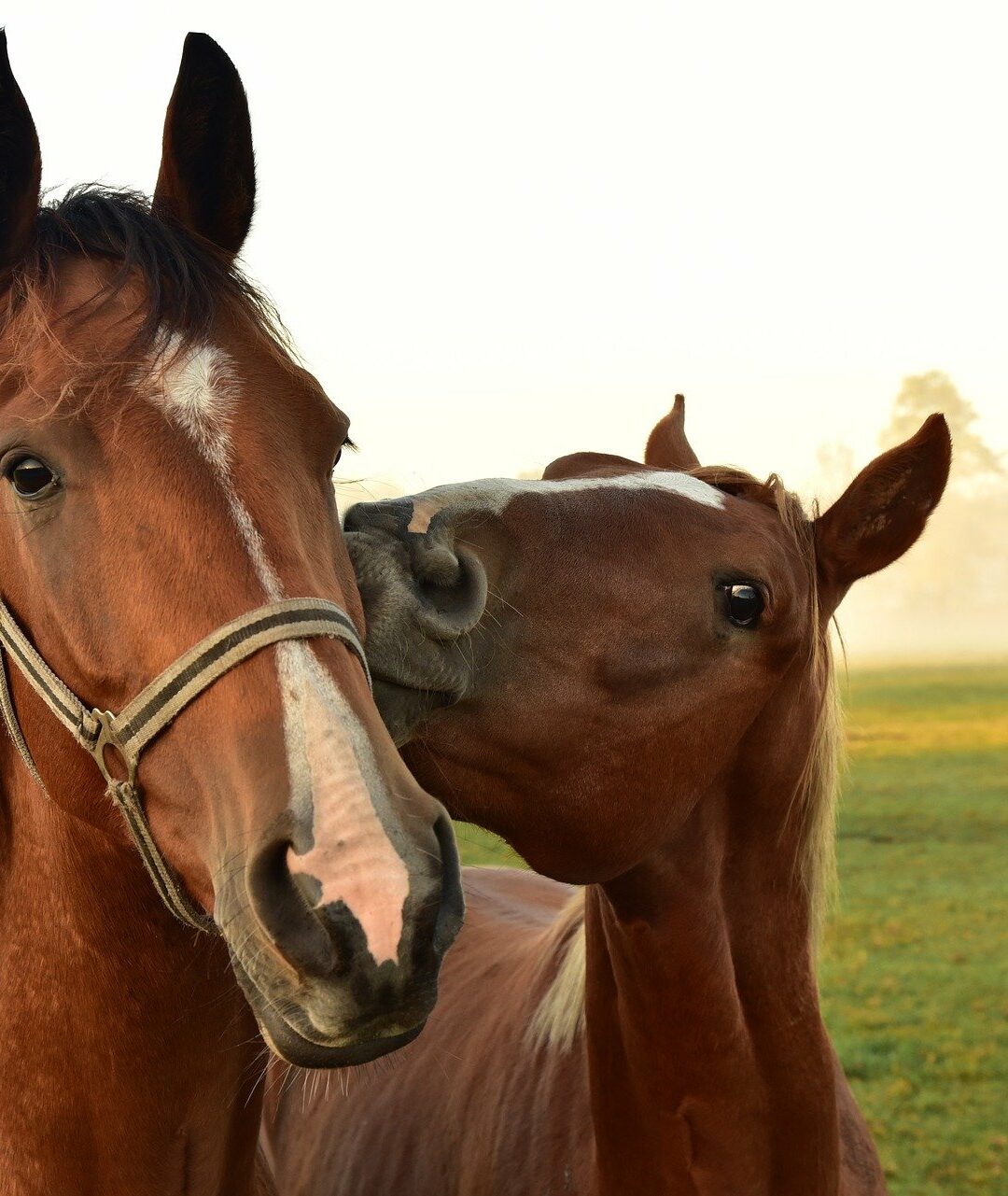
Ontario has an ideal countryside for horse properties. The rolling hills and grassy meadows set against tree-lined landscapes around the Greater Golden Horse Shoe are not only stunning but perfectly suited for horses.

We’ve chosen the following locations based on a few criteria that make these 6 areas worth buying a horse property in

  • Reasonable real estate prices (for a horse farm!)
  • An active real estate market with a number of horse farms currently for sale
  • Proximity to all the horse essentials (available boarding facilities, shows, vets, farriers, etc.)
  • Location suitability (soils, topography, water supply, etc.)

If you’re starting to explore the idea of buying a horse property be sure to explore these towns.

1. Flamborough, Hamilton Region

We begin our list in the gorgeous area of Flamborough. Situated at the northernmost edge of the Hamilton Region. The Niagara Escarpment winds through a big section of Flamborough presenting truly beautiful landscapes. To get an idea of the boundary, here is a link to a map of Flamborough.

You can find a great range of real estate options here. Horse farms and hobby farms, some ready for you to move right in and others waiting for your personal touch.

Real estate prices are relatively high here, with a $2,442,629 average. We think this is still somewhat competitive when compared to regions like York and Halton. You also seem to get more property for your dollar which is nice.

2. Pelham, Niagara Region

Horse Stable in Pelham Niagara

There are so many things that make the Niagara Region a prime spot to own any type of real estate. Good real estate prices, world-class natural beauty and prime farmland. The township of Pelham offers you an ideal countryside for equestrian living with the Niagara Escarpment as your backdrop.

There are a number of picturesque private facilities but boarding can be limited depending on your discipline. There is definitely a market for a high-end boarding facility in this region and Pelham would make an ideal spot. The average horse farm price from last year to date sits at $1,197,167.

Although it can be a bit of a hike to the bigger show venues, many riders here make it work. There are a number of local show venues as well as the Fort Erie Race Track nearby. Trips to the U.S. are also a breeze from Pelham.

There are plenty of opportunities to explore in Pelham.

3. Caledon, Peel Region

It goes without saying that Caledon is a hub of all things equestrian. Home to show venues like the renowned Caledon Equestrian Park and some of the most epic horse farms in the country.  

Caledon is nestled in the Hills of Headwater, Niagara Escarpment and Oak Ridges Moraine which means the countryside offers impeccable views, trails and blissful days with your horses. Not to mentioned Caledon is situated close to everything you could need, be it racetracks, show venues, riding and boarding schools as well as excellent horse care professionals.

But views and easy access to all you need doesn’t come cheap. Horse farms in Caledon averaged a total of $2,517,643. 

4. Mono, Dufferin County

Horses in Pasture

Nestled in the heart of Headwaters Horse Country. Mono is an excellent option for those looking to buy a horse farm. It is a town that prides itself on the thriving equestrian industry here and does plenty to support the horse community.

The landscape is simply stunning – with acres of protected greenbelt, forested trails and sprawling meadows you can’t go wrong buying a horse property here.  Well designed equestrian facilities and beautiful hobby farms make up a great deal of what the horse farm real estate market has to offer.

The average list price is currently $1,403,643. Reasonable considering you can find properties here that are surrounded by incredible natural beauty. As with the other areas, you aren’t far from major show venues, race tracks and top of the line boarding facilities.

5. Guelph/Eramosa, Wellington County

Just outside the city of Guelph lies a beautiful and charming rural section of countryside known as Guelph/Eramosa. Guelph/Eramosa neighbours Erin which is home to the renowned show venue of Angelstone Tournaments. Wellington Country offers excellent horse country in general, with boarding facilities run by top-level competitors and other horse related professionals never too far away.

Guelph/Eramosa encompasses the picturesque Guelph Lake Conservation Area. Meandering streams and acres of farmland are among the few things that make this an ideal spot to buy your horse farm.

The average equestrian property to date came in at $1,524,490. Making Guelph/Eramosa an excellent option for you to explore horse farms for sale here.

6. Burlington, Halton Region

High End Horse Farm

The beautiful area of Burlington. In the heart of the Niagara Escarpment and centrally located to horse shows, race tracks and beautiful trails. Now, we know both Milton and Halton Hills also offer spectacular equestrian living but at this moment Burlington has a number of equestrian properties currently for sale but the other two do not. But you really can’t go wrong buying a horse farm anywhere in the Halton Region.

The average price comes in at $4,655,957 BUT the numbers are skewed by a couple of highly – very highly – priced horse properties. Using the median price of $2.9 Million is more realistic of what you can expect to pay for a horse farm in Burlington.

You can find high-end boarding facilities here, great hobby farms that could easily be converted into your dream horse farm. There are plenty of horse riding schools and you are never too far from luxury estates.

Winding country roads and forest sanctuaries make Burlington an excellent choice for horse home seekers.

Some of you may be wondering why we didn’t include the York Region in this list.

It meets the beautiful landscape criteria, is close to all you need and offers top-class equestrian properties. The trouble is, real estate prices here are high and you don’t often get a lot for your money. Unless you are looking at horse properties over $4 Million, barns are run down and the homes often need work. That is not to say that you can’t find your perfect property here, it just might mean you have to wait longer and JUMP as soon as you see it.

All of the above locations offer classic horse country living options. Beautiful views, ideal typography and perfect proximity to all horsey essentials. Whether you have Olympic aspirations or just a desire to keep your horses at home, these places are worth exploring!

If you have any questions, you know you can always get in touch – we’re here to help.

* Average prices are based on the equestrian real estate market, current and sold listings from January 2019 to 20th January 2020.

5 Important Factors for Financing A Rural Home or Acreage

5 Important Factors for Financing A Rural Home or Acreage

Financing a country or rural home doesn’t have to be complicated. Sure, there are many varying factors that go into getting approved by a lender. But we’ve got you covered. Here are the 5 main things you should get a grasp on when it comes to financing your dream acreage.

Lenders and Risk Analysis

If you’ve purchased a home before, or taken out a loan, you will know that lenders are major risk assessors. Combing through every bit of information they can get from you to assess you and your ability to pay the loan back. They then take a close look at the value of the property you’re hoping to buy. They want to make sure that if you were to default on a payment, they won’t have a tough time offloading the property. 

The more risk the lender feels there is with a property, the tougher it will be to get an approval.   

TD Bank - Financing

Image Courtesy of Mike Mozart.

When it comes to country and rural homes, these 5 factors can impact whether a lender is willing to lend (“risk”) on a subject property:

  • Downpayment and Property Values
  • Zoning
  • Size of the Property
  • Additional Infrastructure
  • The condition of the home and residential improvements

Let’s dive into these 5 factors in a bit more detail.


1. Downpayment & Property Values

Less than 20% Down Payment

It is possible to buy a home with acreage using a 5% – 10 % down payment. Provided the property meets certain requirements. This is made possible through the residential CMHC insured lending program. Of course, with some restrictions which include (but are not limited to):

  • The property being valued under $1,000,000.
  • The property and house being in good (habitable) condition.
  • The value of the property will be placed on the home, garage and put to 10 acres. No value is given to outbuildings (e.g. heated sheds, shops, barns, paddocks, etc.).
  • The minimum downpayment starts at 5% for a purchase price of $500,000 or less. When the purchase price is above $500,000, the minimum down payment is 5% for the first $500,000 and 10% for the remaining portion.
  • Acreages or rural properties in very remote locations are going to be harder to finance at less than 20% down.

More on rural downpayment financing can be found here.

20% or More Down Payment

As mentioned multiple times, you should have an easier time obtaining financing with a down payment of 20% or more.   The other lending requirements will still apply here including zoning, property size and condition. 

Acreages with a purchase price in excess of $1,000,000 will need a down payment of at least 20% – 25% or more.

2.  Zoning

Zoning, in short, tells you what you can do with the property. i.e.: what its permitted uses are.

Rural Residential or Country Residential zoning should be relatively easy to finance if the property meets the bank’s specifications on the criteria listed above.

A property with agricultural zoning can be a bit tougher.

Farm House Wainfleet

If there is only a single residence on the property and there have been no prior farming operations, agri-business or commercial operations carried out you should have an easier time getting financing.

However, the caveat to this is the size of the property. Sizing requirements or restrictions can play a significant part in the financing approval process with agriculturally zoned properties. More on this below!

Since the zoning of these types of properties can allow for some form of agricultural operation the bank will want assurances. They will want to ensure you don’t have plans to run a farm on the property with the intention of earning the majority of your income from this operation.  This is one of the main reasons why sizing can be a big factor in the lender’s decision.

You may also be required to give a higher down payment on a property with agricultural zoning.

If you wanted to buy an actual farm or hope to buy a property on which to start up a farm, you will need a farm loan. This is a whole other kettle of fish with much tougher and more specific lending criteria.


3. Size of The Property

Typically a property under 10 acres can be financed similarly to any other residential property. The larger the property though, the tougher it can be to find a lender willing to lend on it.

Although it is not always the case, for properties over 10 acres, financing usually works as follows:

  • Lenders often agree to lend on the residence plus 10 acres. Typically requiring a 5-20% downpayment depending on their perceived level of risk (i.e. your ability to pay the loan back, current debt, the state and location of the property and so on).
  • The lender then values the excess acreage which they may require you to put down an additional down payment on (~ 50-70% of the appraised value on the balance of the acreage). Or they may simply require you to pay for the balance in cash.
Here is an example:

Let’s say you’re looking at putting 20% down on a 25-acre property priced at $1,000,000 with agricultural zoning.  There are 10-acres of trees where the house and garage are located, and 15-acres of cleared pasture with an equipment shed.  With a traditional residential mortgage, the lender will place most of the value on the first 10-acres with the house and garage. The remaining 15-acres and shed will have little value to a lender that is lending on the basis that the property is going to be a residential property.  If once the lender appraises the property and they feel the value of the 10-treed acres with the house and garage are only worth $850,000, then you may be forced to come up with the balance in cash.

 10-Acres: $850,000 x 20% = $170,000
Remaining 15-Acres: $150,000
This could mean a total of $320,000 in cash that you need to put down on the property.

This equals 32% downpayment. That is 12% more than the 20% you had initially planned for.  You can see how the lender’s risk tolerance is starting to take shape!

It is important to note that this is VERY property and case dependant. There will be properties that are over 10 acres where the bank will be willing to offer regular financing options.

As mentioned earlier, zoning in conjunction with the size of the property will play a factor in lending approval here.


4. Additional Infrastructure

This point has to do with where lenders place value in a property, and where they don’t.

Let’s say you are looking at a property with an older century home that needs some updating. The property has a large detached garage, a brand new 4 stall horse barn on the property and new fencing. You might be excited by this find because to you, having the 4 stall barn is essential to what you want to do with the property… but your bank might not see it the same way. 

Lenders often don’t put much value on outbuildings, barns, fencing and so on. Their main concern is going to be with the condition of the house and garage. The majority of their appraised value is going to come from these two buildings. 

Even though the current owners of our example property above may have spent $20,000 on this new barn, and you feel the barn warrants this value in the asking price, the lenders likely won’t see it the same way or at the same value. 

5. Condition of The House

The bank likely isn’t going to lend on a dilapidated house that isn’t fit for habitation unless you have spoken to them about a plan for renovations and they are involved in lending on the construction. This, of course, does add another layer of complexity but it is of course achievable.

Dilapidated Rural Home

The value of the property as it currently exists is going to play a big factor in the bank’s decision to give you a mortgage and for how much.

A home needing cosmetic updates is not an issue, provided the systems, and structural integrity of the home is intact.

You often find utility systems like a well and septic system on the property.  The bank is going to want to see certification and proof that these systems are in good working order. For instance:

  • Water Portability Certificate / Well Water Certificate – After a sample of the water has been tested as safe for human consumption, this certificate will be issued.
  • Septic Certificate – will need to be provided for newly installed systems. For existing septic systems, the bank may ask to see a completed septic inspection report and this is something you will want to have for yourself regardless.

Replacing any part of a septic system or well can be extremely costly so doing thorough inspections during your due diligence period is very important!


Getting Started

Speak with a mortgage broker or your bank before looking at any rural homes. This way you can see what price range or property you are approved for.

Happy Home Hunting!

Don’t Miss Out On Our Country Home Real Estate Guide: A FREE Guide for everything you need to know about buying a country home