First Quarter – 2020 – Rural Home Market Ontario Update

First Quarter – 2020 – Rural Home Market Ontario Update

A quick look at the first quarter of the 2020 Rural Home Real Estate Market. This update covers the months of January to March, 2020.

In January, we finished up our 2019 Annual Rural Home Market Report (which you can read or download here). This report gives readers real estate market information specifically on rural homes and country properties around the Greater Golden Horseshoe area.

Below is a brief snapshot of the 2020 rural real estate market. Covering the Greater Golden Horseshoe.

2020 started off with a bang! The real estate market in all aspects of residential real estate was hot. We remained in a market heavily slanted towards sellers. Pent up demand and low inventory had home buyers feeling the pressure and competition between buyers was ramping up again.

This demand was evident in the overall increase in average sales prices across most major home markets around the GTA.  The rural real estate market saw these increases as well.

Below are the average sales prices and the number of sold listings, comparing the first quarter or 2019 to the first quarter of this year (2020).

It is important to note that the averages listed in the tables below are based solely on RURAL and COUNTRY properties of 0.5 to 100+ Acres sold in the Greater Golden Horsehoe between January and March of 2020.

2020 Average Sales Prices & Sold Listings
JANUARY FEBRUARY MARCH
AVERAGE SALES PRICE $966,382 $937,990 $886,845
# OF SOLD LISTINGS 115 223 272
2019 Average Sales Prices & Sold Listings
JANUARY FEBRUARY MARCH
AVERAGE SALES PRICE $859,034 $893,186 $842,936
# OF SOLD LISTINGS 83 134 170

Both years saw a steady rise in the number of listings sold through from January to March. This is not uncommon. We often see as the weather warms up and we head in to spring, the real estate market is more active with listings and the number of buyers out and about searching for homes.

Despite continued low inventory as we moved into 2020, the average number of actual rural homes sold during these months was higher than in 2019. And this increase in the number of sales did not appear to be a result of lower-priced inventory. In fact, we saw an overall average sale prices increase of about 7.5% across these three months when we compared the two years.

Now, we are all aware that the stay at home order and the overall economic impact of COVID-19 is going to have, we hope, a temporary impact on the real estate market. How could it not?

We will be keeping a close eye on the rural home market over the second quarter of 2020 and will keep you updated on this through our monthly newsletter.

Don’t forget to check out our 2019 Rural Market Home Repot for here.


Caring For Your Well & Well Water

Caring For Your Well & Well Water

It can be a little intimidating to move to the countryside and have to contend with new utility systems.

Follow these care instructions and rest easy knowing you are doing your best to look after your well and well water.

Step one begins before you even purchase the home. We always recommend you get the well inspected and the well water tested.

Initial Inspection

When a well is dug, the installer will submit a record to the Ministry of Environment. This record is kept on file by the Ministry. The current owners should also have a copy.

An inspector often starts his/her inspection by obtaining this well record which will give them details about the well. Details like:

  • Well Location
  • The Age of the well
  • Well Dimensions (depth, diameter, etc)
  • Water levels (during pumping & when static)

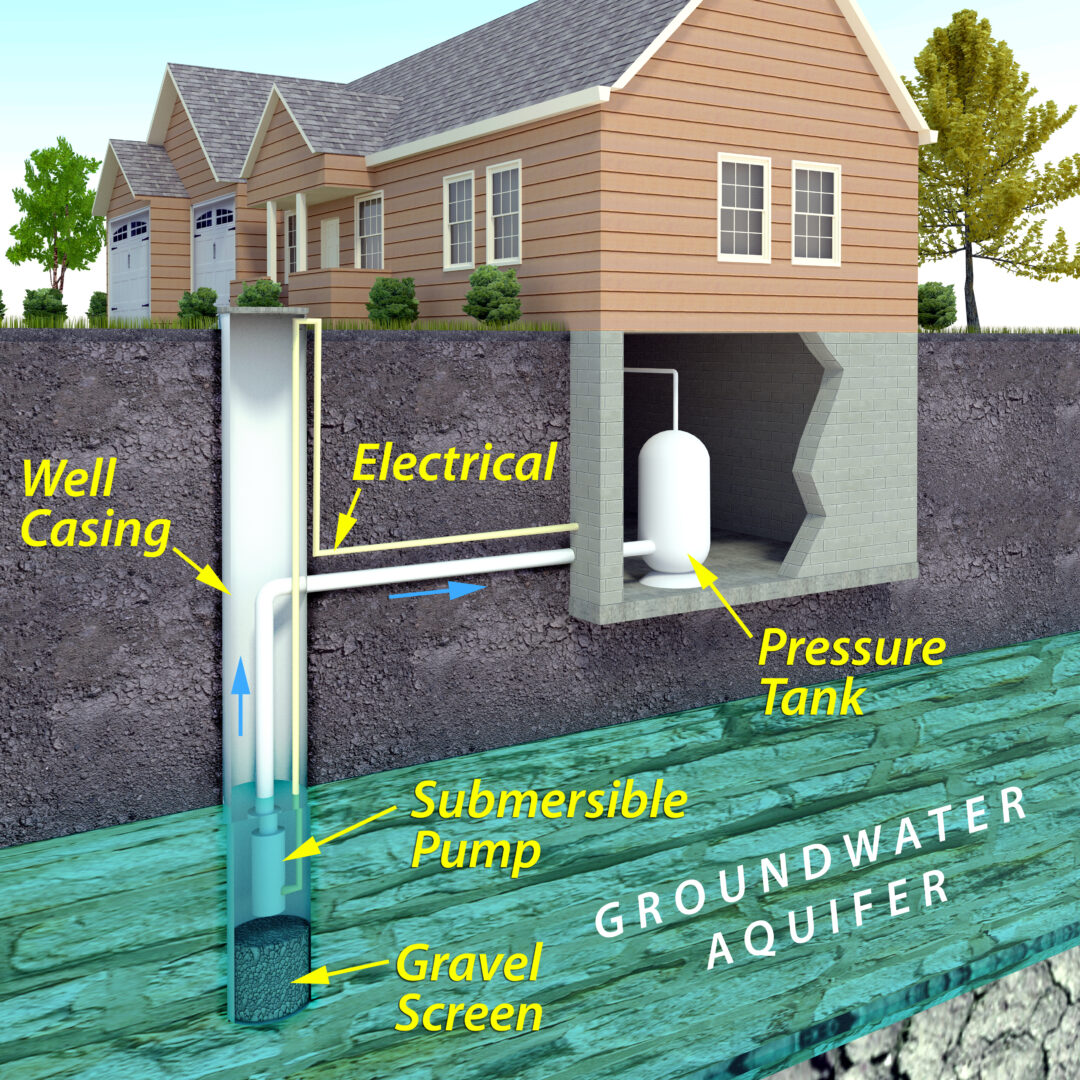
During the inspection, the inspector will confirm that the well location is correct and away from any source of contamination. He/She will also make sure there are no cracks in the well casings, the drainage is working correctly, the well pump is working, screens are not broken, and more!

If possible, the water quantity is also checked to ensure there is no risk of the well running dry.

To get more in-depth information on well inspections, you can read more here from Builders Ontario

Caring for your well water

Water Tests

Part of your due diligence on buying a property with a well is to ensure the water safe to use and drink.

To test the quality of the water, samples are sent off for testing. Tests can be done for things like E.Coli, Nitrate levels, Sodium levels, Lead and more.  Again you can read more about well inspections and water tests here. A sample of the water is conducted at your local county or municipal office.

Once you’re happy with the well inspection and you move forward with purchasing the home, it is your responsibility to look after your well.

Maintaining Your Well

Here are the things you need to do to maintain and care your well:

1. Regular Check-Ups & Inspections are essential. Every 1 – 2 years ideally. This inspection will involve someone coming in to check the condition of your well, well equipment and so on.

2. Getting regular water tests is ideal. You’ll want to test your water for E.Coli every year and if possible, it is a good idea to have the Ph levels tested every 3 years. You can send water off for testing yourself here.

3. Monitor your water taste and smell. If anything smells or tastes “off”, you’ll want to contact an inspector immediately.

4. Keep contaminants away from your well (at least 100 ft.)
Contaminants include animal waste, fuels, surface waters, any type of pesticide or fertilizer.

5. Take a walk around your well site to see if you can hear any abnormal sounds being made by the pump. The pump should not be continuously running for example.

6. If you have a spill near your well, do not hose it down. You should instead get in touch with the contacts below:

Contact the person who did your inspection or who does your regular maintenance inspections.


OR


Ministry of Environment:
P. 1-888-396-9355 (WELL HELP)
P. 1-800-565-4923 (PUBLIC INFO)
E. picemail.moe@ontario.ca

For an in-depth understanding of your well and the best way to protect it, you can check out this great resource from Conservation Ontario here.

Preventing issues by keeping up with regular maintenance is a sure way to avoid big expenses down the road.

Caring For Your Septic System in Ontario

Caring For Your Septic System in Ontario

If you’re looking to live the country life, you’re going to need to get familiar with septic systems. This is essentially your sewer system.

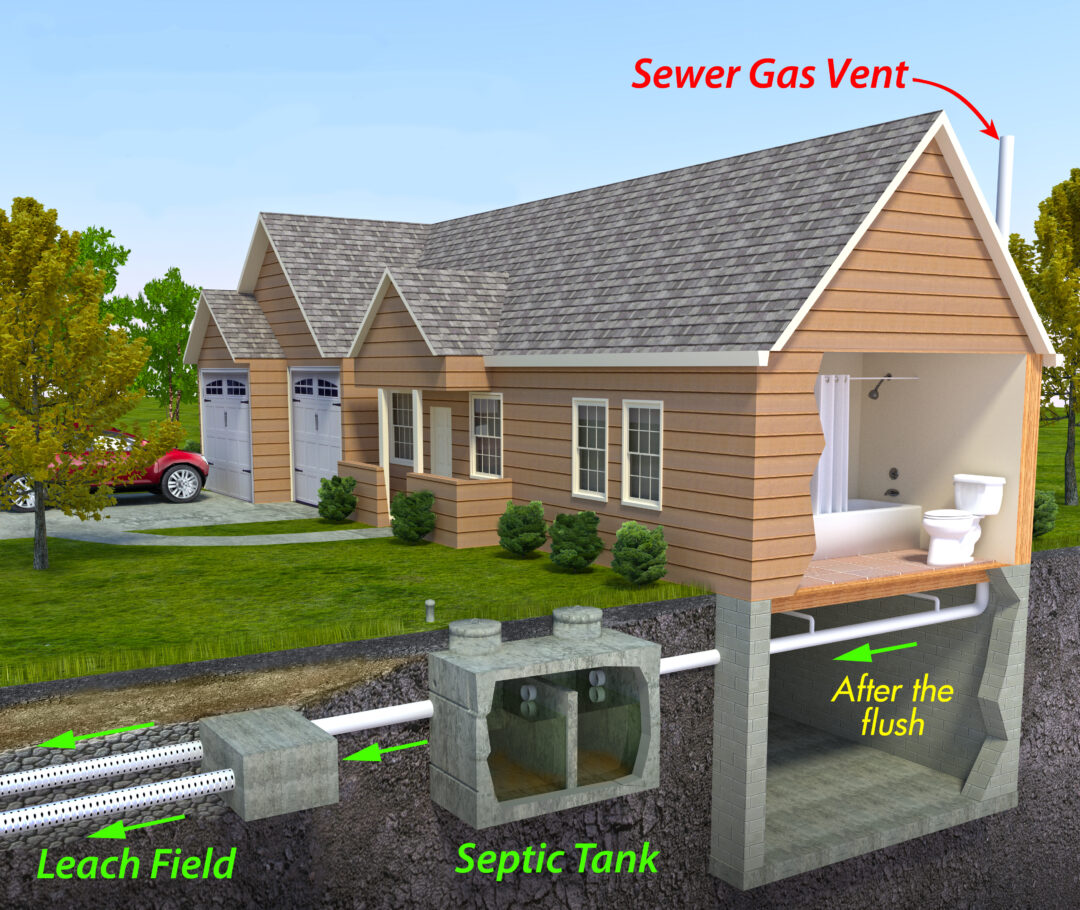
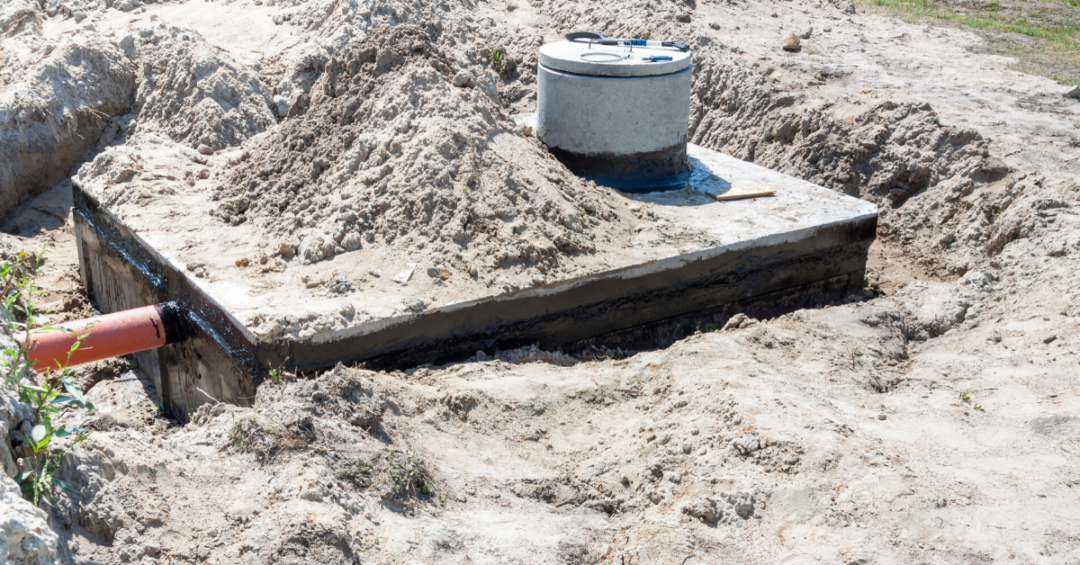
Waste from bathrooms, kitchen sinks, and your washing machine are all distributed through pipes to a septic holding tank where solids are held and liquids are separated. Light solids float to the surface forming a scum layer while heavier solids sink to the bottom of the tank. These solids remain in the tank until it is cleaned.

The separated liquids are sent to a leaching field where they filter through the soil before the remaining “cleaned” water seeps into the ground.

In this article, we are going to go over the very basics of caring for your septic system. If you want more in-depth details on septic systems here is an excellent document and guide to understanding Septic Systems by Builders Ontario.

Caring for your septic system starts with knowing its condition prior to firming up on a rural home.

Caring For Your Septic System

Initial Inspection

Septic systems can be difficult to inspect. The septic tank is more times than not buried underground as are the pipes leading to and from the tank to the leaching bed. Inspectors typically inspect the site where the tank is located to see if there are any signs of a failing system, like a sewage smell or pooling/overly damp areas in the yard.

They might also do a Septic Tank dye test. In fact, your lender might request one.

If the dye test shows signs of leaking or a failing septic system you might need to go to the extent of pumping out the tank to do a more thorough inspection.  This will depend on how badly you want the house and if it is worth going through to this level of inspection, knowing there is likely an issue with the septic system.

To get more information about the septic dye test, please visit an experts’ site here.

In a perfect world, the current homeowner would already have an up to date septic inspection when the house is put on the market for sale. At the very least they should know when it was last pumped and inspected.  But in a seller’s market, this may not happen. Also, you might want your own septic inspection done for peace of mind.

Maintaining your septic system once you own the home

Now to the main point of this article. Caring for your septic system once you own the country home.

1. Regular check-ups and inspections. Depending on your household size, age of the system and tank size, your septic system should be inspected every 3 – 5 years. During these inspections, the inspector can determine when the tank needs to be cleaned out.

2. Know the location of your tank. This may sound blatantly obvious but it is important you know where you septic tank is located so take note of it during your inspection. The current buyer may have a survey showing the location of the tank as well, if not one can be requested from the city municipality office.

3. Maintain and keep all records. Drawings, inspection reports, etc.

4. Controlled flush or more efficient toilets can be more gentle on the septic system and are recommended where possible.

5. Spread laundry days throughout the week rather than doing many large loads on one day to allow time for the system to treat the waste.

6. The most important is disposing of your waste correctly. To keep it simple, don’t put anything in your toilet that isn’t human waste or toilet paper. No exceptions.

7. Don’t put anything over your draining field. For example, don’t park cars over your draining field and no planting trees on the leaching bed or even too close to it.

8. Make sure any water is drained AWAY from the draining field. For example, if you install a sump pump the installer will want to make sure it drains away from the leaching field.

9. Know the warning signs. Some warning signs of a malfunctioning septic system include a sewage smell in the yard, backing up toilets, slow draining in sinks and tubs, bacteria in your well water, surface water pooling in the yard, amongst others … If you notice any of these signs, call an expert immediately.

By taking care of your septic system and staying on top of maintenance, the less chance you have of running into an issue. Replacing a septic system is not cheap.

5 Important Factors for Financing A Rural Home or Acreage

5 Important Factors for Financing A Rural Home or Acreage

Financing a country or rural home doesn’t have to be complicated. Sure, there are many varying factors that go into getting approved by a lender. But we’ve got you covered. Here are the 5 main things you should get a grasp on when it comes to financing your dream acreage.

Lenders and Risk Analysis

If you’ve purchased a home before, or taken out a loan, you will know that lenders are major risk assessors. Combing through every bit of information they can get from you to assess you and your ability to pay the loan back. They then take a close look at the value of the property you’re hoping to buy. They want to make sure that if you were to default on a payment, they won’t have a tough time offloading the property. 

The more risk the lender feels there is with a property, the tougher it will be to get an approval.   

TD Bank - Financing

Image Courtesy of Mike Mozart.

When it comes to country and rural homes, these 5 factors can impact whether a lender is willing to lend (“risk”) on a subject property:

  • Downpayment and Property Values
  • Zoning
  • Size of the Property
  • Additional Infrastructure
  • The condition of the home and residential improvements

Let’s dive into these 5 factors in a bit more detail.


1. Downpayment & Property Values

Less than 20% Down Payment

It is possible to buy a home with acreage using a 5% – 10 % down payment. Provided the property meets certain requirements. This is made possible through the residential CMHC insured lending program. Of course, with some restrictions which include (but are not limited to):

  • The property being valued under $1,000,000.
  • The property and house being in good (habitable) condition.
  • The value of the property will be placed on the home, garage and put to 10 acres. No value is given to outbuildings (e.g. heated sheds, shops, barns, paddocks, etc.).
  • The minimum downpayment starts at 5% for a purchase price of $500,000 or less. When the purchase price is above $500,000, the minimum down payment is 5% for the first $500,000 and 10% for the remaining portion.
  • Acreages or rural properties in very remote locations are going to be harder to finance at less than 20% down.

More on rural downpayment financing can be found here.

20% or More Down Payment

As mentioned multiple times, you should have an easier time obtaining financing with a down payment of 20% or more.   The other lending requirements will still apply here including zoning, property size and condition. 

Acreages with a purchase price in excess of $1,000,000 will need a down payment of at least 20% – 25% or more.

2.  Zoning

Zoning, in short, tells you what you can do with the property. i.e.: what its permitted uses are.

Rural Residential or Country Residential zoning should be relatively easy to finance if the property meets the bank’s specifications on the criteria listed above.

A property with agricultural zoning can be a bit tougher.

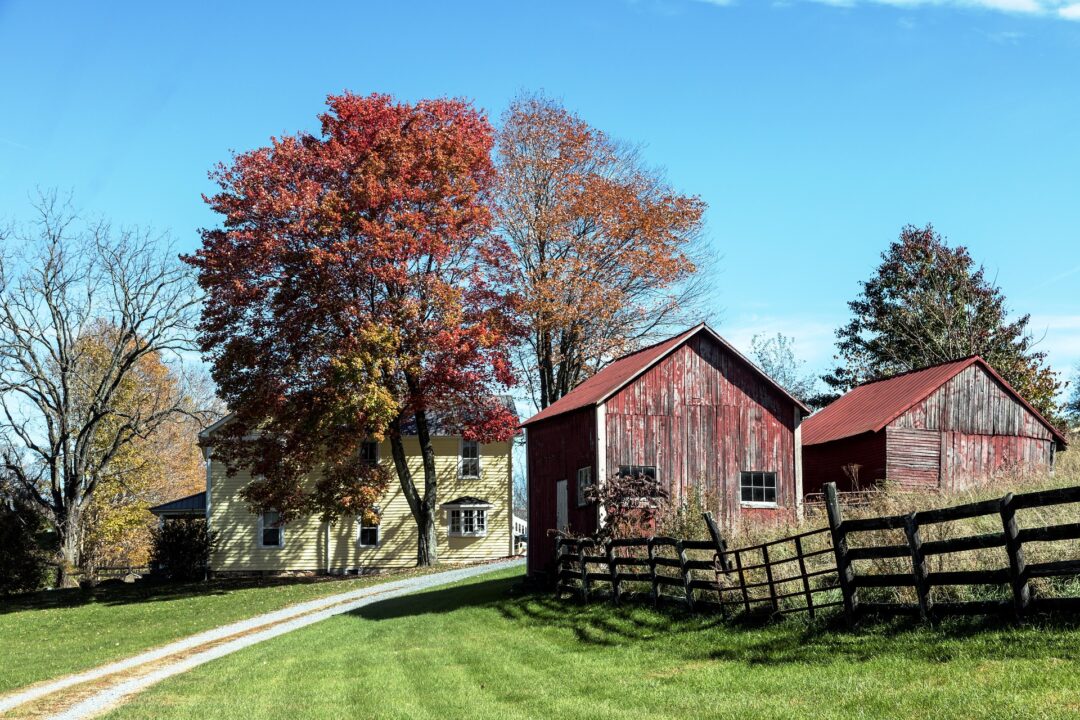
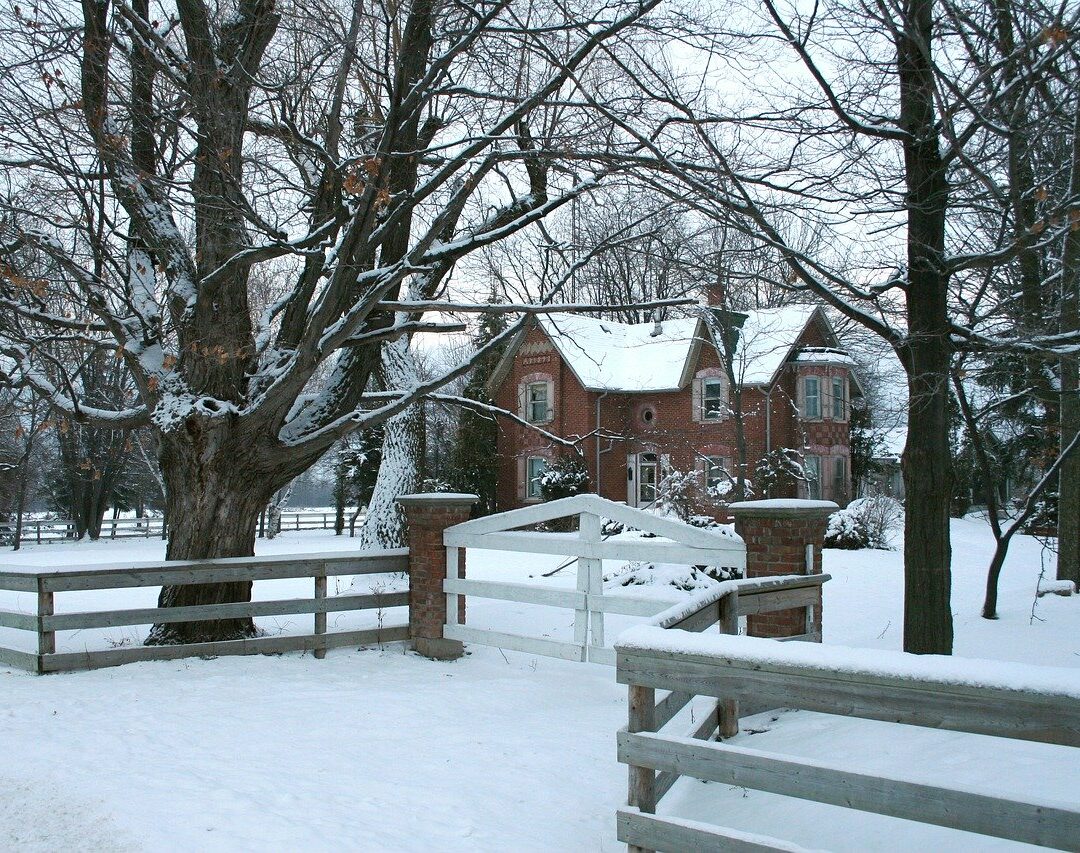
Farm House Wainfleet

If there is only a single residence on the property and there have been no prior farming operations, agri-business or commercial operations carried out you should have an easier time getting financing.

However, the caveat to this is the size of the property. Sizing requirements or restrictions can play a significant part in the financing approval process with agriculturally zoned properties. More on this below!

Since the zoning of these types of properties can allow for some form of agricultural operation the bank will want assurances. They will want to ensure you don’t have plans to run a farm on the property with the intention of earning the majority of your income from this operation.  This is one of the main reasons why sizing can be a big factor in the lender’s decision.

You may also be required to give a higher down payment on a property with agricultural zoning.

If you wanted to buy an actual farm or hope to buy a property on which to start up a farm, you will need a farm loan. This is a whole other kettle of fish with much tougher and more specific lending criteria.


3. Size of The Property

Typically a property under 10 acres can be financed similarly to any other residential property. The larger the property though, the tougher it can be to find a lender willing to lend on it.

Although it is not always the case, for properties over 10 acres, financing usually works as follows:

  • Lenders often agree to lend on the residence plus 10 acres. Typically requiring a 5-20% downpayment depending on their perceived level of risk (i.e. your ability to pay the loan back, current debt, the state and location of the property and so on).
  • The lender then values the excess acreage which they may require you to put down an additional down payment on (~ 50-70% of the appraised value on the balance of the acreage). Or they may simply require you to pay for the balance in cash.
Here is an example:

Let’s say you’re looking at putting 20% down on a 25-acre property priced at $1,000,000 with agricultural zoning.  There are 10-acres of trees where the house and garage are located, and 15-acres of cleared pasture with an equipment shed.  With a traditional residential mortgage, the lender will place most of the value on the first 10-acres with the house and garage. The remaining 15-acres and shed will have little value to a lender that is lending on the basis that the property is going to be a residential property.  If once the lender appraises the property and they feel the value of the 10-treed acres with the house and garage are only worth $850,000, then you may be forced to come up with the balance in cash.

 10-Acres: $850,000 x 20% = $170,000
Remaining 15-Acres: $150,000
This could mean a total of $320,000 in cash that you need to put down on the property.

This equals 32% downpayment. That is 12% more than the 20% you had initially planned for.  You can see how the lender’s risk tolerance is starting to take shape!

It is important to note that this is VERY property and case dependant. There will be properties that are over 10 acres where the bank will be willing to offer regular financing options.

As mentioned earlier, zoning in conjunction with the size of the property will play a factor in lending approval here.


4. Additional Infrastructure

This point has to do with where lenders place value in a property, and where they don’t.

Let’s say you are looking at a property with an older century home that needs some updating. The property has a large detached garage, a brand new 4 stall horse barn on the property and new fencing. You might be excited by this find because to you, having the 4 stall barn is essential to what you want to do with the property… but your bank might not see it the same way. 

Lenders often don’t put much value on outbuildings, barns, fencing and so on. Their main concern is going to be with the condition of the house and garage. The majority of their appraised value is going to come from these two buildings. 

Even though the current owners of our example property above may have spent $20,000 on this new barn, and you feel the barn warrants this value in the asking price, the lenders likely won’t see it the same way or at the same value. 

5. Condition of The House

The bank likely isn’t going to lend on a dilapidated house that isn’t fit for habitation unless you have spoken to them about a plan for renovations and they are involved in lending on the construction. This, of course, does add another layer of complexity but it is of course achievable.

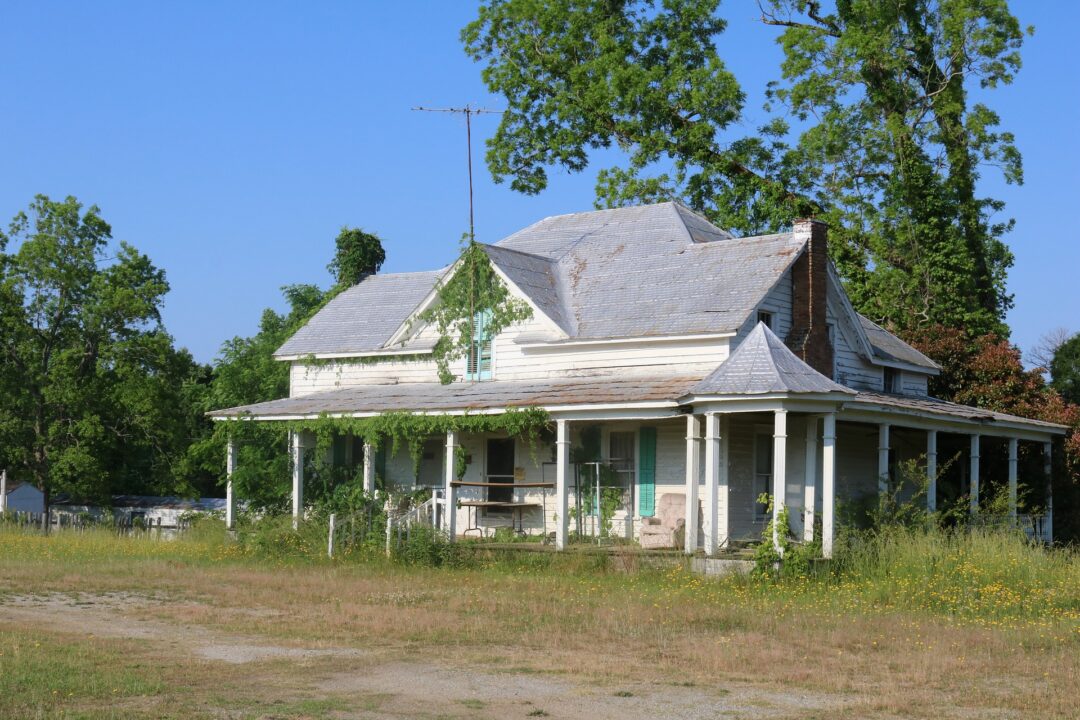
Dilapidated Rural Home

The value of the property as it currently exists is going to play a big factor in the bank’s decision to give you a mortgage and for how much.

A home needing cosmetic updates is not an issue, provided the systems, and structural integrity of the home is intact.

You often find utility systems like a well and septic system on the property.  The bank is going to want to see certification and proof that these systems are in good working order. For instance:

  • Water Portability Certificate / Well Water Certificate – After a sample of the water has been tested as safe for human consumption, this certificate will be issued.
  • Septic Certificate – will need to be provided for newly installed systems. For existing septic systems, the bank may ask to see a completed septic inspection report and this is something you will want to have for yourself regardless.

Replacing any part of a septic system or well can be extremely costly so doing thorough inspections during your due diligence period is very important!


Getting Started

Speak with a mortgage broker or your bank before looking at any rural homes. This way you can see what price range or property you are approved for.

Happy Home Hunting!

Don’t Miss Out On Our Country Home Real Estate Guide: A FREE Guide for everything you need to know about buying a country home

 

The 8 Most Popular Areas to Own a Country Home in Ontario

The 8 Most Popular Areas to Own a Country Home in Ontario


Ontario offers some truly spectacular countryside and rural living options.

Today we have put together a list of 8 of the most popular country living options around the Greater Golden Horse Shoe Area. Let’s get started!


Pelham, Niagara Region

  • Average Sale Price (2019): ~ $850,000
  • Proximity to Toronto: 1hr 30 – 2 hrs
  • Natural Features: Shorthills Provincial Park. Comfort Maple Conservation

The entire town of Pelham offers excellent country living options. The community of Fonthill is where you will find most of your necessities.  It has a country-chic downtown area that offers fine dining, artesian galleries, antique stores, and cozy cafes. The areas of Effingham / North Pelham, Ridgeville and Fenwick are your best bet for country and rural living. Carolinian forests and sprawling meadows are a staple in Pelham. The natural beauty provides a refuge from city life. With gorgeous estates on winding country roads, modest hobby farms and equestrian facilities – you can’t go wrong with buying a rural home in Pelham.

Read more about Pelham, Ontario here.


Campbellville, Halton Region

  • Average Sale Price (2019): ~ $1,200,000
  • Proximity to Toronto: 1hr – 1hr 10
  • Natural Features: Nassagaweya Canyon, Mountsberg Conservation

Campbellville is another community we just adore. Located in the major town of Milton, this community is both quaint and charming.  If you’re driving down Guelph Line towards this little village the scenery is sure to inspire. The community offers a wonderful countryside where you are never too far from equestrian facilities and horse farms. Not too far from the big cities of Toronto and Mississauga, Campbellville is a popular destination for tourists and well-off commuters. Located on the Niagara Escarpment, Campbellville offers homes with scenic views, upscale country estates, and forested retreats.

Campbellville Halton Region

Campbellville | Halton | Courtesy of Campbellville.net

Read more about Campbellville, Ontario here.


Paris, Brant County

  • Average Sale Price (2019): ~ $740,000
  • Proximity to Toronto: 1hr 10 – 1hr 20
  • Natural Features: Grand Valley River

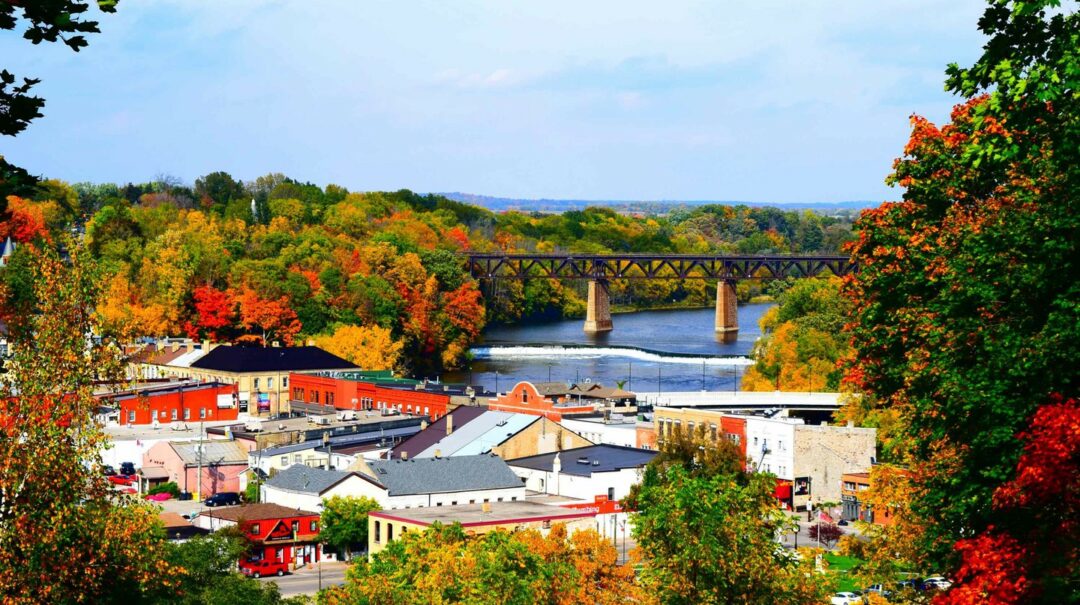
A picture-perfect town nestled right where the Grand Valley River and Nith River meet. Historic architecture meets modern delights in the romantic downtown area of Paris. Enjoy fine dining, cafes, delectable bakeries and world-class architecture. Possibly one of the most enchanting little towns in the country, you will feel at ease living in the countryside here with spectacular scenery and picturesque natural landscapes. This riverside town offers many opportunities to enjoy the outdoors as well. You are sure to find yourself a charming century home or classic country paradise in Paris, Ontario.


Paris Brant County

Paris | Brant | Courtesy of Brant County


Read more about Paris, Ontario here.


Carlisle, Hamilton Region

  • Average Sale Price (2019): ~ $1,150,000
  • Proximity to Toronto: 1hr 
  • Natural Features: Carlisle Conservation Area. Bronte Creek

I adore the quaint community of Carlise. We used to keep our horses at a gorgeous barn here and driving through the little community always made you feel at peace. This is somewhat of an exclusive community because of its size and higher-end real estate prices. Carlisle is the classic small town with only a handle full of stores; two corner stores, a restaurant and a mechanics shop making up the downtown. We highly recommend the sweet treats at Carlise Bakery and the Cider from West Avenue Cider on Concession 8. For gorgeous country homes, ranch-style farmhouses and upscale rural living be sure to check out the community of Carlisle.

Read more about Carlile, Ontario here.


Elora, Wellington County

  • Average Sale Price (2019): ~ $1,020,000
  • Proximity to Toronto: 1hr 20 – 1hr 30
  • Natural Features: Elora Gorge. Elora Quarry.

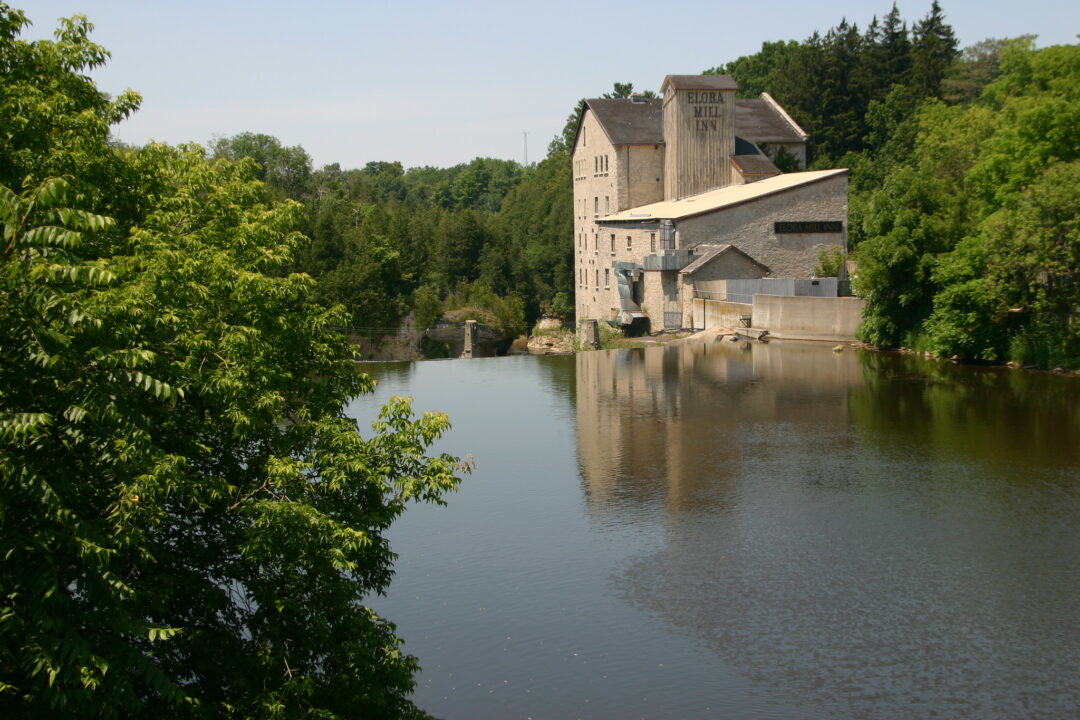
Elora is a delightful community with rolling hills, acres of farmland and historic charm. As picturesque as picturesque gets, this spectacular little village is perched at the edge of Elora Gorge. The site of limestone cliffs that descend gracefully into the Grand and Irvine Rivers are truly a natural beauty to behold. If you love nature and adventure, Elora could just be the countryside spot you’ve been yearning for. Modern marvels, Character homes and stunning country retreats can all be found in Elora.

Elora Ontario, Wellington County

Elora | Wellington County | © Mark Stephenson at Flickr

Read more about Elora, Ontario here.


Mono  –  Dufferin County

  • Average Sale Price (2019): ~ $1,060,000
  • Proximity to Toronto: 1hr  – 1hr 15
  • Natural Features: Mono Cliffs Provincial Park. Island Lake Provincial Park.

Mono is a rural haven of impeccable scenery, meandering streams, and majestic forests. As is to be expected from any small town traced by the Niagara Escarpment. Offering a large section of protected land it is no wonder Mono makes up a large section of “horse country”. From close-knit communities to secluded living, Mono offers many options for the country home and rural life seeker. Buyers looking for picturesque farms, a quaint country home surrounded by trees or large rural estates would find the ideal property here.


Mono, Dufferin County

Mono | Dufferin County | Courtesy of Emily Mills at Flickr

Read more about Mono, Ontario here.


Creemore, Simcoe County

  • Average Sale Price (2019): ~ $1,050,000
  • Proximity to Toronto: 1hr 40 – 1hr 20 
  • Natural Features: Noisy River Provincial Park.

Creemore is a small community located in the larger township of Clearview. Being nestled within the Niagara Escarpment means you can expect world-class natural beauty at every turn. Welcoming neighbours, an inviting, red brick massed building downtown and weekly farmers markets make for a perfect country community. Here, you can find rejuvenated log homes, classic country homes, and private escapes when you are looking for a home in Creemore.

Read more about Creemore, Ontario here.


Jordan, Niagara Region

  • Average Sale Price (2019): ~ $1,037,000
  • Proximity to Toronto: 1hr 5 – 1hr 20
  • Natural Features: Balls Falls Conservation. Twenty Mile Creek

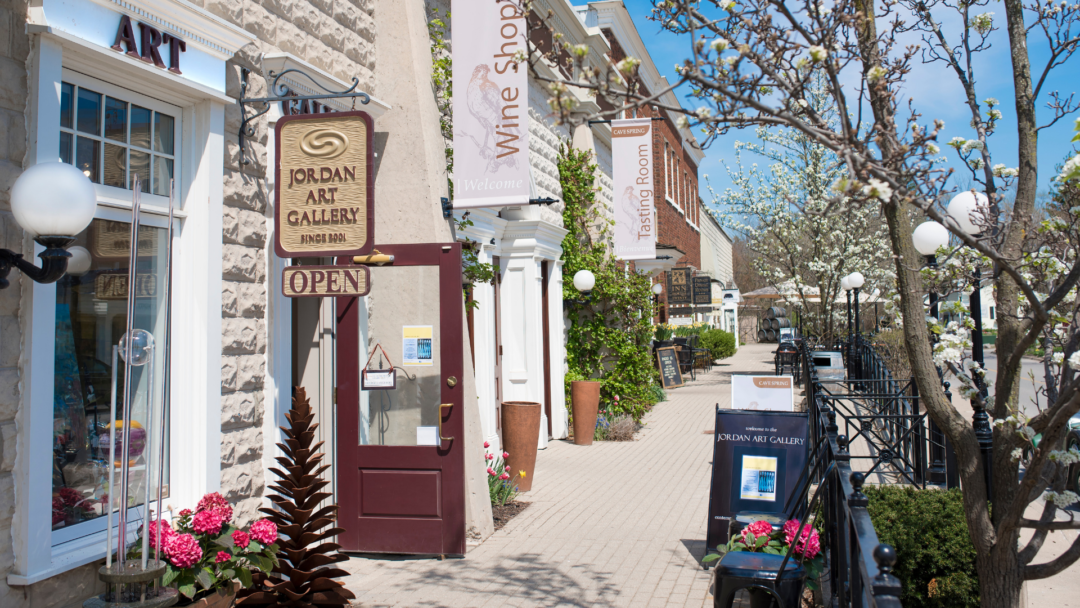
OK yes, we are back in the Niagra Region for a second time but we could not leave this gorgeous community off of the list. Jordan provides quintessential country living at its finest!  With a chic downtown area offering spectacular stores, restaurants and galleries. Jordan is a village surrounded by wineries, orchards and the beautiful Niagara Escarpment to the North. The unique micro-climate here allows for excellent fruit and wine production so be sure to visit some of the Twenty Valley Wineries and Pick-Your-Own Fruit stands. From modern country mansions to modest country escapes, be sure to visit Jordan for your country home purchase.

Jordan Niagara

Jordan Village | Niagara | Courtesy of Jordan Village.ca

Read more about Jordan, Ontario here.


7 Essential Things to Consider Before Buying a Rural Home

7 Essential Things to Consider Before Buying a Rural Home

The benefits of living in the countryside seem endless. Peace and quiet, less light, air and noise pollution. Stunning views, wildlife and a chance to do more with your property.

We were recently visiting friends the other night who’s home sits atop the Niagara Escarpment in Pelham. During an early evening stroll through their property, we saw a family of whitetail deer run through the wooded section of their property – just lovely!

Here are 7 things you should consider before making the move to a rural home.

1.  Your Plans For The Property.

Do you hope to raise animals on the property? Build a small barn or large storage facility? Make sure to check with your municipality that you can go ahead with these plans BEFORE you buy the home.

The two most common restricting forces you could run into when wanting to make changes have to do with zoning and conservation.

a) Zoning by-laws

Existing zoning and zoning by-laws place by municipalities can have an impact on:

  • How you use your land
  • What type of structures you can have on the property
  • Where structures are placed on the property
  • Specific use restrictions (e.g. size of your property and the number of livestock animals you can keep there)

b) Conservation Authorities, or the Ministry of Natural Resources & Forestry

These authorities can also have an impact on what you do with and on your property. Especially as country homes are oftentimes located in protected areas (like the GreenBelt). Restrictions might be anything from what you build on your property, the animals you keep to restrictions on cutting down or altering trees.

2.  How Far Away is Too Far?

You’ll definitely want to consider how far away from your current home is too far! Having to make a 10+ minute drive back into town because you forgot to buy milk might not sound too bad but after it happens a few times, it can get frustrating.

Being that much further away from friends may mean you don’t see them as often as you did before. And going out for dinner can feel like a task when you have a 20-minute drive back home.

If the school bus doesn’t have a route passed your new home you may have to drive your kids to a spot that the bus does come to or drive them into school altogether.

Although, in our opinion, the benefits of living in a rural home completely outweigh the concerns of being too far.

Nowadays it is also possible to buy a country home that is not too far away from all the amenities you might love about city life. It all just depends on you and the lifestyle you prefer.

3.  Types of Utility Systems

Septic System

You can find country homes on the outskirts of town that are connected to local municipalities – making the transition from city to country living a breeze.

However, the majority of countryside or rural homes on the market today have some sort of utility system that you don’t see in town.

In short, drinking water systems often come from wells or cisterns. Your sewer system is often a septic system with some sort of absorption or leaching bed. Heat can be produced by propane, occasionally electric or an oil type system as well.

For more information on these types of systems, you can read this article here.

4.  Living Next To Operating Farms

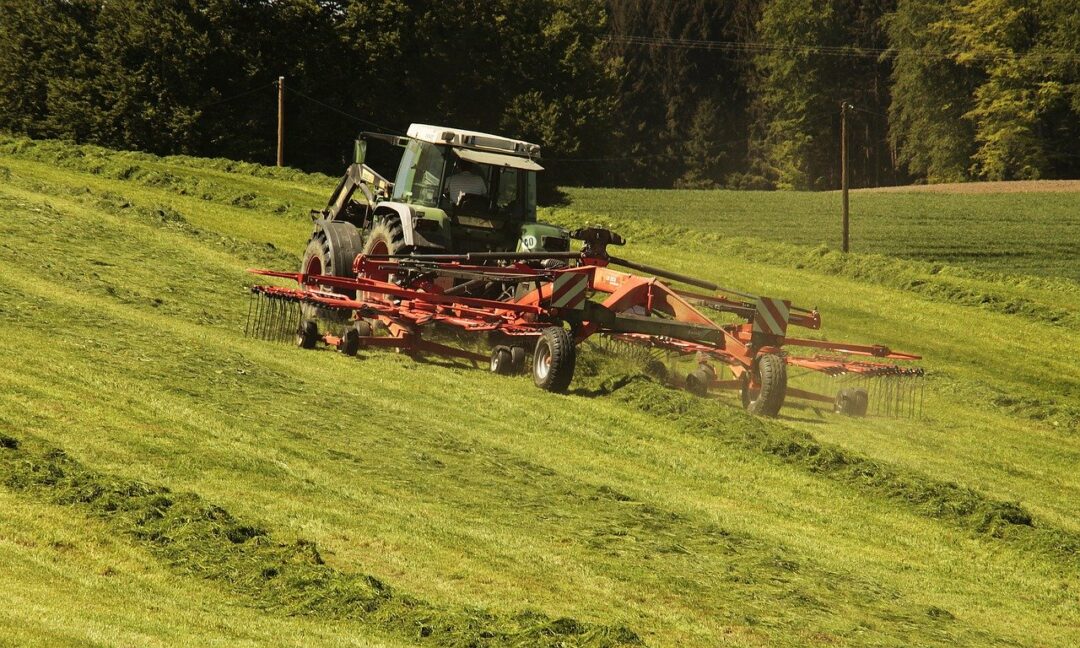
Farm Operations Hay Field

Often times living in the countryside is glamorized by large manicured lots with grand estates, where the neighbouring farm has cows dotting the hillside, an adorable little farmhouse and red barn that tie it all together. Don’t get me wrong, with the right budget we can probably find this for you but sometimes living near operating farms can take some getting used to if you have always lived in the city.

A few years ago we kept our horses at a barn in Wainfleet and right next door was a farmer’s field. Every summer the farmer would fertilize his field with a very (VERY!) pungent-smelling fertilizer. It was chicken manure fertilizer.  I spent a lot of time on a dairy farm with my best friend growing up, I can handle animals smells of all kinds but this would definitely take some getting used to.

You might be changing the sounds of traffic and fire trucks for machinery operating in the early hours of the morning and more dust. Most people are fine with this but occasionally some are not.

I only bring this up as a point because we have heard a few stories of people being unhappy living beside a farm and have tried to make complaints against the farmer (silly I know). Farmers are an integral part of our community and we always want to make sure our clients know what they are getting into before we make an offer.

5.  Road Accessibility

It is a good idea to look into how accessible the road getting your property is year-round. 

This typically won’t be a problem if you live close enough to town but it is not uncommon to find that rural roads may not be plowed in the winter by the municipality or if they are, they are plowed last.

In more rural settings, sometimes private companies are contracted out to plow these roads for you, with the neighbours who live on the same road often sharing this cost.   Sometimes the road can remain unplowed for days depending on the amount of snowfall and getting down your road could be a real challenge.  

If you can’t get down your road the school bus can’t either which means kids may have more snow days in the year; I am sure they won’t mind this, but it is something you will have to plan for.

6.  Having the Right Maintenance Equipment

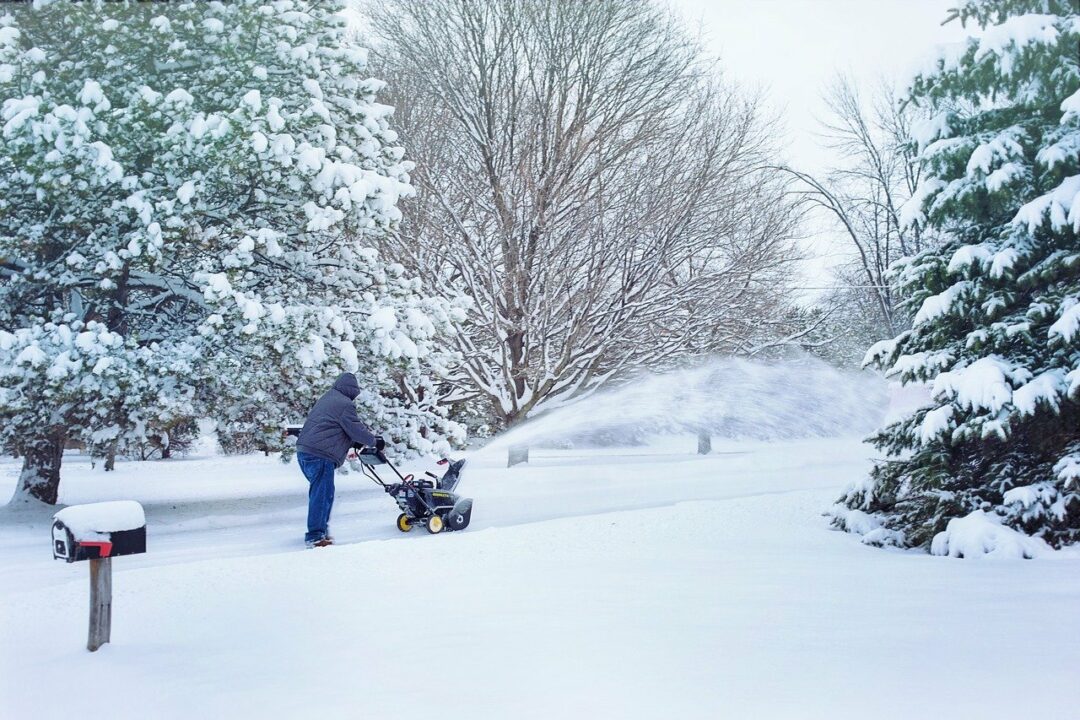
For those winter months you may need a snowblower if you’re on a big lot with a relatively normal-sized driveway, but if your driveway is two hundred feet long or more, having a tractor with a plow might be an essential piece of equipment to purchase. 

For the spring, summer and fall months you may need a riding lawnmower, or possibly a tractor with a bush hog to cut the grass.

Hiring someone to plow your drive or mow your lawn is also an option.  

Snow Driveway Country Living

7. Is the Country Lifestyle For You and Your Family?

For some people buying a country home means more space and a chance to use the land by either keeping a few animals like chickens, goats, more dogs and so on. Others have the idea of growing their own fruits and vegetables in an aim to become more self-sufficient. Others simply want a bigger house, a bigger property and more privacy.
We like to make sure that, no matter what reasons our clients have for wanting a more rural lifestyle, they know what they are getting into.

Definitely consider why you think this lifestyle is for you. If you enjoy the nightlife or dining out every night and the buzz of a busy city then no, rural or country living may not be your thing.

Living on a large acreage will be work on some days, and the reality of living the countryside dream might not be as romantic as once thought.  All of this said, most people considering this lifestyle are not going to mind the extra work and are likely to find it gratifying and worth it.

If you are considering buying a country home, we, and many others, recommend downloading our FREE Country Home Real Estate Guide.