Why Use A Mortgage Broker To Help Finance Your Country Home

Why Use A Mortgage Broker To Help Finance Your Country Home

Financing a country home purchase is very common. If you’ve purchased a home before, you know you can do so by either going directly to your bank or by seeking out the help of a mortgage broker.

Here are some reasons why you might want to look into using a mortgage broker to help you finance your dream country home purchase!

Figuring out your budget

If you’re serious about buying a country home you should know your budget before you start shopping around.

Especially in a market like we have today. You might see a property you like on Sunday and by Thursday it’s sold. And that’s if the Sellers aren’t holding offers.

A mortgage broker can help with figuring out your budget or price range.

They can also get you a pre-approval that puts you in a more confident position when it comes time to offer. Again, especially with the current market we are in.

Sure, you can use an online mortgage affordability calculator to get a basic idea but you should find out for sure. Especially because there are many other variables that come into play with mortgage approvals.

Figuring out your budget will involve looking at things like your current gross income, bank statements, your existing credit, owned assets, any existing debt you already have and what you had for lunch on Tuesday. Just kidding about the last one but it can feel like that sometimes!

Lenders often use a Total Debt Servicing Ratio, where they take into account all your housing costs and other existing monthly debt payments. They will typically cap this at 40% of your gross monthly income.

Remember not to make any large purchases, incur more debt, change jobs, or apply for new credit after being pre-approved and before buying your home. Buying that Porsche and having a large monthly payment before you close on your new home is a sure way to get into financing trouble… so wait until after closing day to make that purchase!

Now, we have said this many times before. You do not need to buy a house at the top end of your budget. Stick with what you are comfortable with. This might be sacrificing some of your wants in a home but it is important to be financially comfortable with all your existing expenses and current income.

If you don’t want to use a mortgage broker, you are welcome to use your bank. Either way, this first step, getting pre-approved and figuring out your budget, is a must before you start your home search.

Now, any bank or lender can help you come up with the above. So why use a mortgage broker?

Why You Should Consider Using Your Mortgage Broker
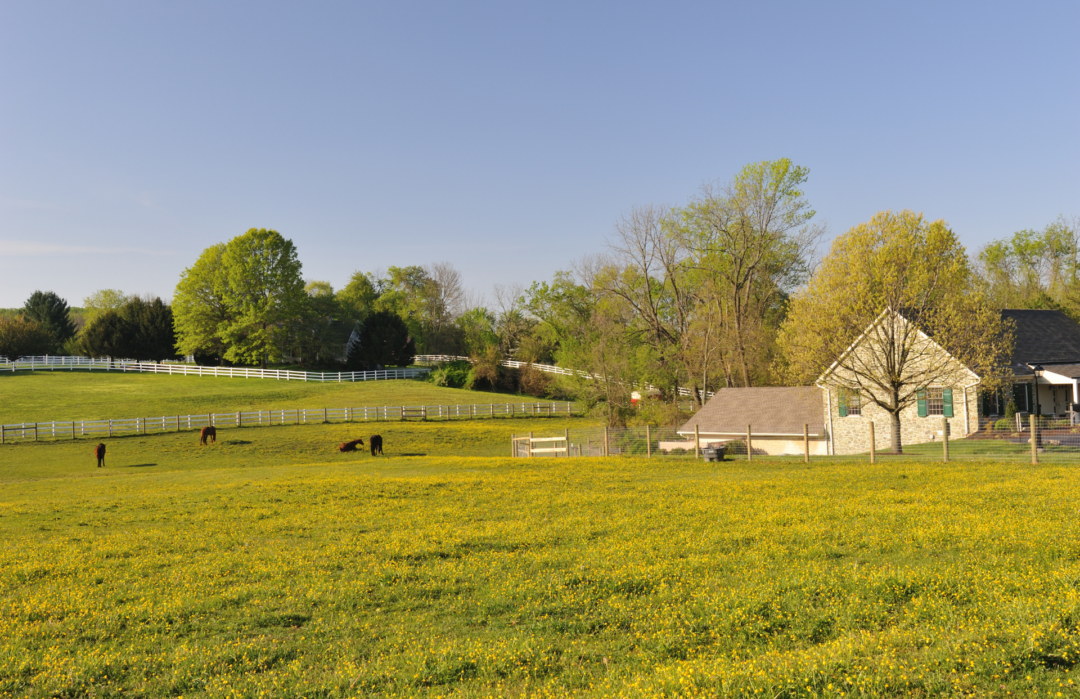
Using a Mortgage Broker For Financing a Rural Home

You should definitely explore both options. Just because you speak to a mortgage broker doesn’t mean you can’t explore your own options with a bank, and visa versa.

Here are some reasons why we do recommend exploring your options with a mortgage broker, especially when buying a rural home:

  1. Mortgage Brokers Work Harder For You

    What we mean by this is, mortgage brokers often have access to various lenders, can shop around and negotiate a better rate for you. They also offer advice on how to structure your financial position in a way that will be looked on more favourably by lenders.

    More times than not, a bank is going to plug in your information into a program and have it spit out what you qualify for with them only. They aren’t going to try hard to get you a mortgage or look out for your best interests. They certainly aren’t shopping around to different lenders for your best rate. However, if they are your home branch, they might offer you some sort perk for combining services with them.

    Ultimately though, the advice you get from a good mortgage broker is both helpful and unbiased (or at least it should be).

  2. Mortgage Brokers Have Access To Various Types Of Lenders

    As mentioned above, your mortgage broker has access to A-lenders (big banks), B-lenders and may have access to private money loans as well.

    Now, without delving too deep into the various reasons why you would want to go with one over the other, here is something to think about.

    As we have covered in our Country Home Real Estate Guide, and other articles on the topic, financing a country home can be different than financing your regular in-town or suburban home.

    Especially when it comes to properties over 10 acres, properties with agricultural zoning and for those with a special use like an equestrian facility.

    If you have a reasonable downpayment, and are looking at a regular country property of a normal size you should be able to go with the lender of your choosing. You just have to decide who is going to give you the best rate AND the best terms.

    If an A lender is not an option, you can explore B Lenders instead. Now, you will likely be paying a higher interest rate so that is something you’ll want to factor into your costs. B Lenders are often attractive to self-employed people and business owners who structure their accounting such a way that it is more favourable for their business purposes regardless of the interest rate.

    Either way, getting help with choosing a lender is another reason to use a mortgage broker. They can help you find a suitable lender for your particular situation.

  3. You Don’t Have To Pay Mortgage Brokers To Use Their Service

    Typically mortgage brokers get compensated by A-lenders directly so you don’t pay anything to use their services.

    With B-lenders however, you may be required to pay a lender fee

Planning Your Purchase
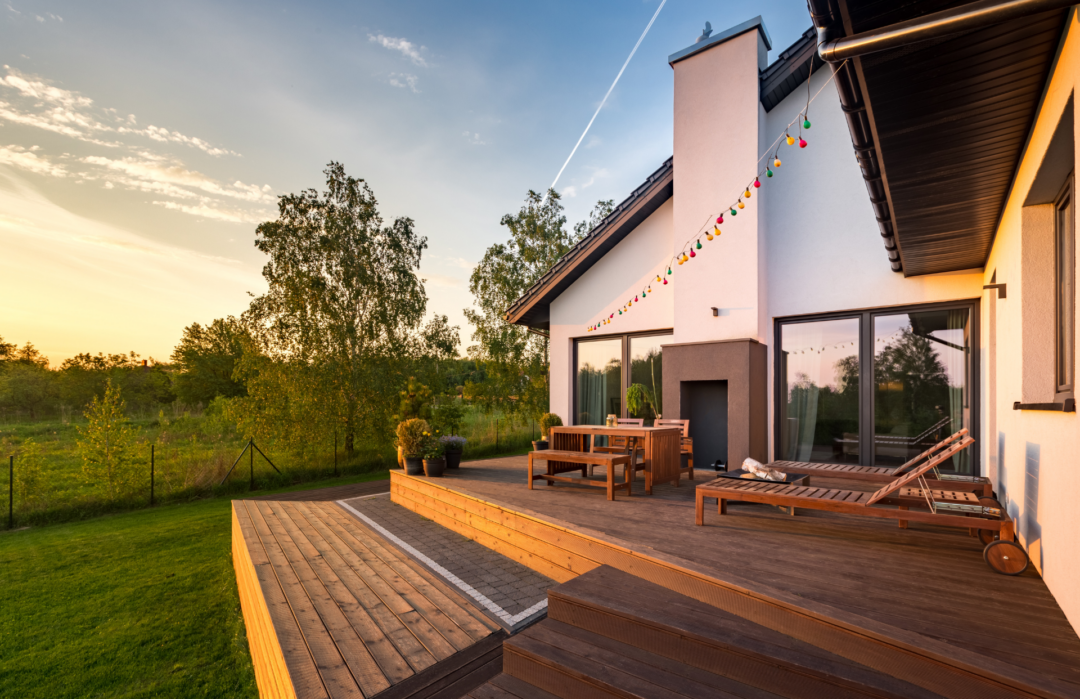
A mortgage broker can help you plan your purchase.

Before you even start thinking about looking at properties, talk with a mortgage broker, get your paperwork in order and plan your purchase.

If you currently own a home, you’ll need to know what your options are for putting in an offer on another property…

For instance:

  • Do you need to put a Sale of Buyer Property condition in your offer? This is not exactly favourable as you can get bumped by another offer, if the Seller doesn’t decline it because of this condition. In this situation you’ll want to know if you have to have this condition or are you in a position where you can move forward with buying another house before you sell your current one?

  • Can you get bridge financing if closing dates don’t line up? This would be helpful if needed because you can take more time to move – say a week or a month, rather than having to do it ALL in on day.
  • Do you want to keep your existing property to rent out?  If so how does this affect the purchase price of your next home?
  • How can you use the equity in your existing home to purchase your new home?

All of these options, and more, are things you can discuss with your mortgage broker to come up with a solid plan. Putting you in a position to successfully buy a country home.

Choosing the Right Mortgage Broker 
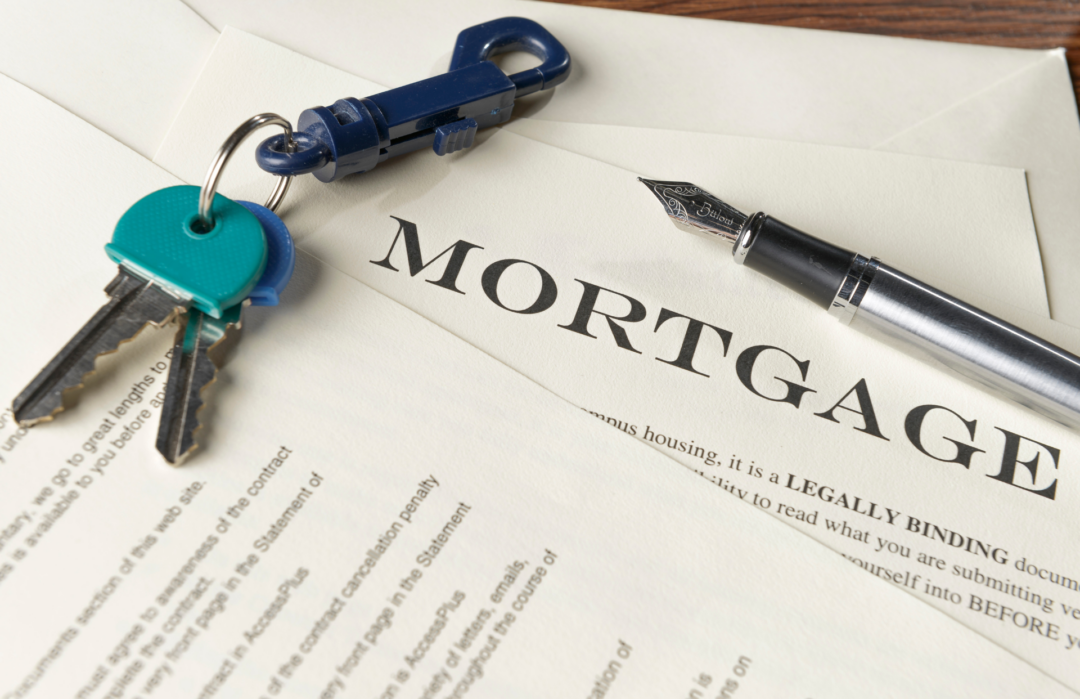
Mortgage Document

If you’re buying any regular home, or even a small acreage, you should be fine going with any mortgage broker or one you have used before.

Now, if you are buying a bigger acreage, a small farm or an equestrian facility it would be wise to use someone who has experience with these types of properties.

Especially with ones that have agricultural zoning as this can make things more complicated.

This may also depend on how much downpayment you are putting down.

If you are trying to do a less than 10% down you will have to think very carefully about what property you offer on and you will need a mortgage broker with experience.

If you are looking at 20% or more, you have a little more wiggle room with who you use.

Naturally, over the many numbers of years we’ve been in real estate, we have great mortgage broker contacts that can take care of you on your search for a rural home or hobby farm.
Getting Your Country Home Ready For Sale

Getting Your Country Home Ready For Sale

Getting your country home ready for sale can sound like a daunting task. It feels like there is so much to do and not enough time to do it on top of everything else you have going on.

And if you are thinking about selling your home, you’ve likely turned to Google for some advice.

As such, some of the tips we offer in this article will be old hat to you. And some will apply to any type of home. But, as is the case for rural homes, there is always a little bit extra to do.

So, here are our tips for being the most prepared when it comes time to sell your country property.

1. Home Touch Ups

Home Renovations Country living

We’ll begin inside the home.

Your aim should be to showcase your home at its best… I don’t know if a more obvious statement has even be written but there you go.

To be frank, this is where a good chunk of the value is going to be perceived by the buyer. They will be walking into the home ready to judge whether or no the home is deserving of the price you are asking.

Touch-ups will depend on your budget, so we’ll break it down in two ways.


For those with larger budgets:

Ideally focus on updating your kitchen, bathrooms, flooring and painting, if needed.

Within reason, these items can really add value to your home.

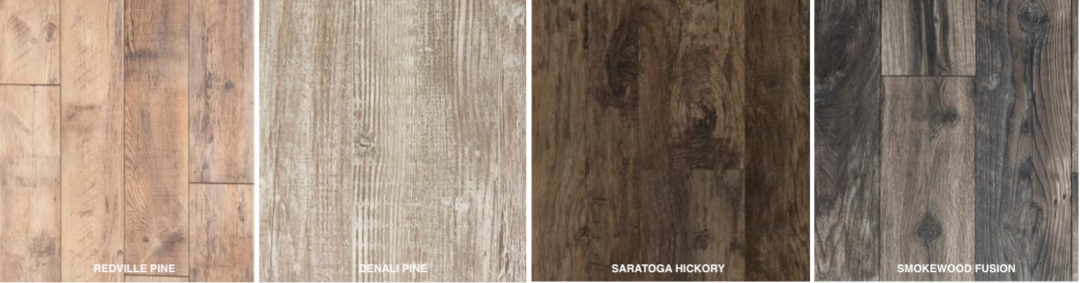
Also, try to avoid grey laminate flooring. It is being overused and starting to look mildly dated. It also doesn’t look great in country properties as it is quite an urban and suburban trend. Opt instead for rustic colours, light, like a pine or rustic brown depending on the rest of your home.

If you do want grey tones, go for something similar to smoke wood fusion from home depot. Some examples:

Flooring

If there is nothing to update upstairs, you could look to adding value by finishing or updating your basement as well. Possibly adding in another bathroom if you only have one or one and a half on the main floor.


For those with smaller budgets (or for those with larger budgets that want to do more).

A fresh coat of paint can go a long way!

Keep colours neutral and light.  It can be tough for a buyer who likes a cleaner, natural look to appreciate a room that is painted in loud or dark-toned colours. It is easier for a buyer who likes loud colours to visualize those colours on a “blank” canvas, so to speak. You want to create an environment that welcomes a buyer to imagine themselves and their furniture in the home.


New outlet and light switch covers.

This might sound silly but it is a great, and inexpensive way to make your home look more fresh and updated. Especially when the walls have a new coat of paint on them.


Update light fixtures. 

Modern light fixtures can really change the look of a room. Something to consider!


Remove dated window coverings (please)!

You know those dated, sometimes velvet-like drapes that blocks out any semblance of the sun? Yes? Those have to go. It does nothing to showcase your house in a good light (pun intended). The same goes for the thin horizontal blinds or even those vertical material ones. Blinds can be purchased from Home Depot for a very reasonable price and make the entire room look so much better.


If you can’t update the whole kitchen, consider updating these items:
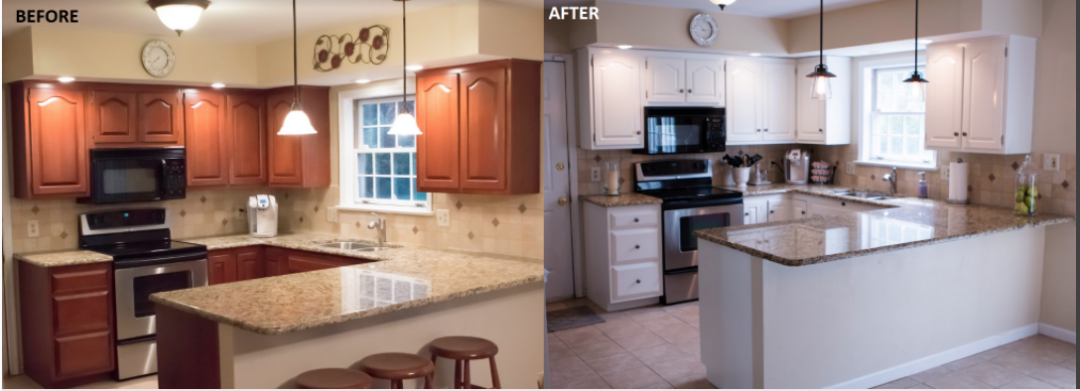
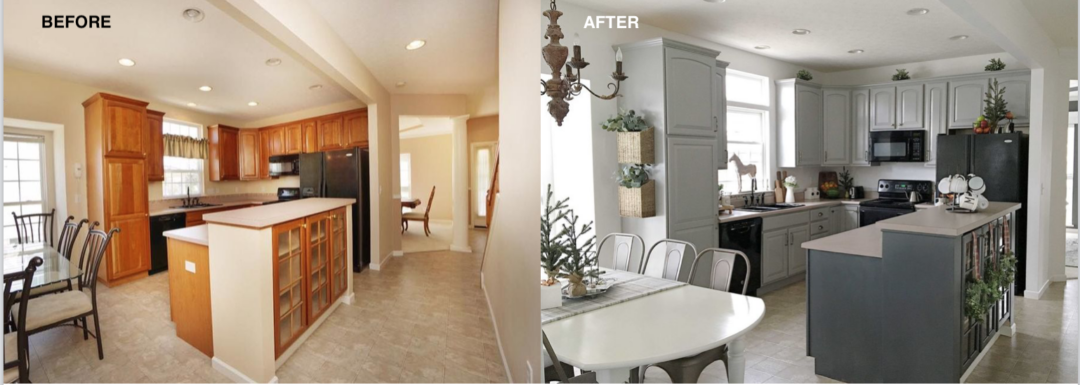
  • Painting the Cabinets – Painting your cabinets can be an excellent way to refresh a kitchen. But if you decide to do this, don’t cheap out. You can get some beautifully looking painted cabinets but the right paint and painter is essential for this.
  • Updating Cabinet Hardware – if you have very dated cabinets and don’t want to paint them, don’t go ultra-contemporary. Just go with something simple that looks better, newer.Some examples for you:

    Painted Cabinets, Before and After

    Image Credit: Countryliving.ca

Caulking, caulking, and more caulking. 

It doesn’t take a lot to re-caulk around your bathtub and or kitchen sink. I recently showed a property (priced at close to $1 million) that needed re-caulking around the shower and tub surround. Re-caulking is such an easy and cheap fix that there is no excuse to not have it done (especially if you are asking a higher-end price for your home). It makes a bathroom look clean and pristine!


Removing old carpet.

Sometimes a lucky few have hardwood under that old carpet. If your home does have old carpet over hardwood flooring… RIP IT UP and let that hardwood SHINE. No one, and I repeat no one, likes those brown, yellow and green (sometimes all those colours combined) carpets from back in the 60s. I find it hard to believe it will be a trend to reemerge in the future.


Clean carpets.

If you don’t have hardwood flooring under the carpets and don’t want to spend money on updating the floors, definitely have your carpets cleaned before pictures and showings begin.


2. Spending Money on Utility Systems and Home Exterior

Updating essentials like roof, windows, air conditioning unit, furnace, likely won’t get you more money for your home and aren’t necessary to sell your home either. It can help when it comes to negotiating though. Especially if these items were in need of being replaced!

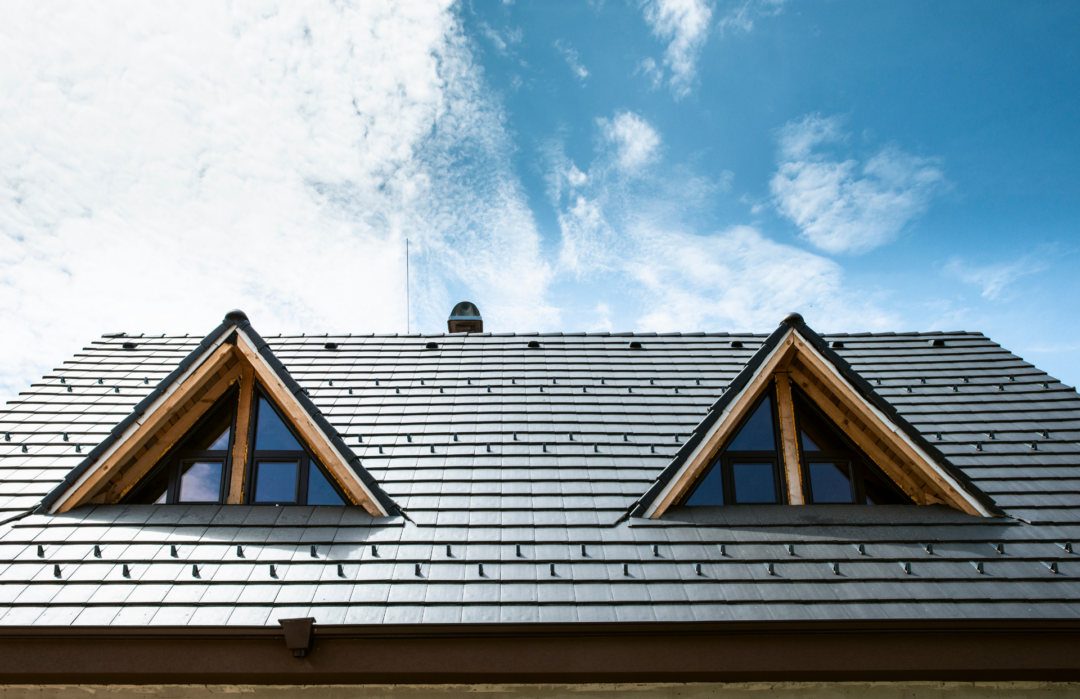
Buyers often ask the age of the roof so if you are getting to that 25-year mark on your shingles, it might be a good idea to have the roof redone.

If you live in a solid brick home (lucky!) And the brick needs some work – like repointing – it can be worth doing. Again, not so much to add money to the sale price but to present a clean, well cared for home that you know is worth negotiating to or close to your sale price.


3. Declutter & Depersonalise


I know… ‘Tidying Up With Marie Condo’ and ‘The Home Edit’ on Netflix has everyone, and every article, recommending you declutter and reorganize your life.

You know, I know, every now knows, that decluttering, reorganizing and depersonalising your home is an essential part of getting your home ready for sale. So I won’t go in to too much detail here.

You are moving after all, so why not get a jump start on packing up the non-essentials.

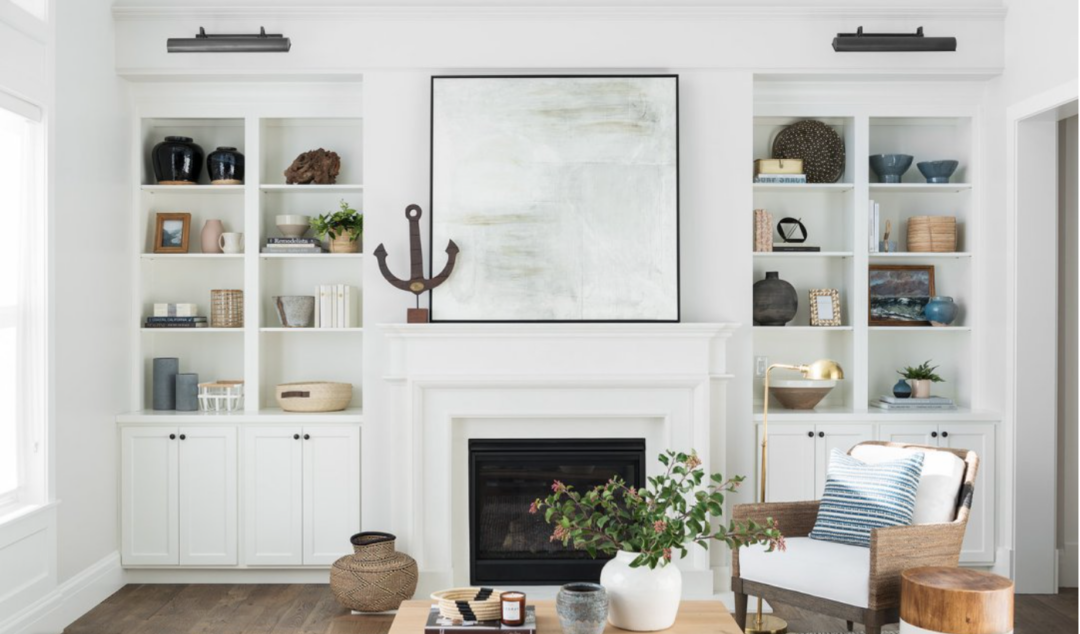
As much as you might like your collectibles from your world travels, the buyer doesn’t need to see all of them. Try to “refresh” your shelves with these styling tips from McGee & Co. (Pictured Above). The rest can be boxed up and ready for your move.

An article I read years ago said it best. “Think Hotel Room”, yes it is decorated [and furnished] but it is not overly personal”. That should be your aim.

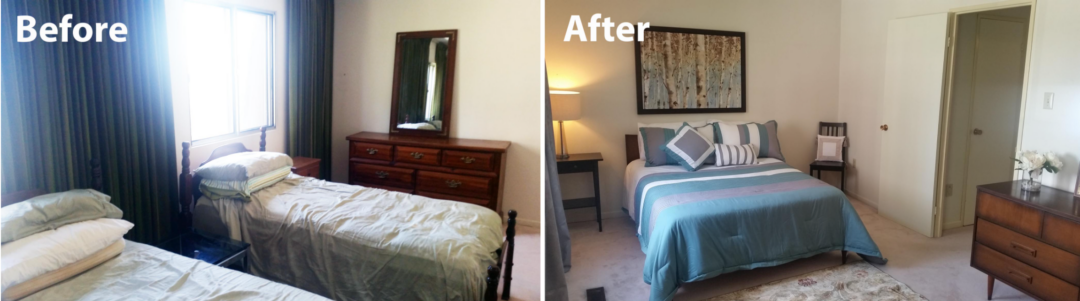
Here is a great before and after example from ClutterflyInc.

Declutter before and after

Now, finally, let’s move on to the more country-side of things!


4. What to do About Outbuildings

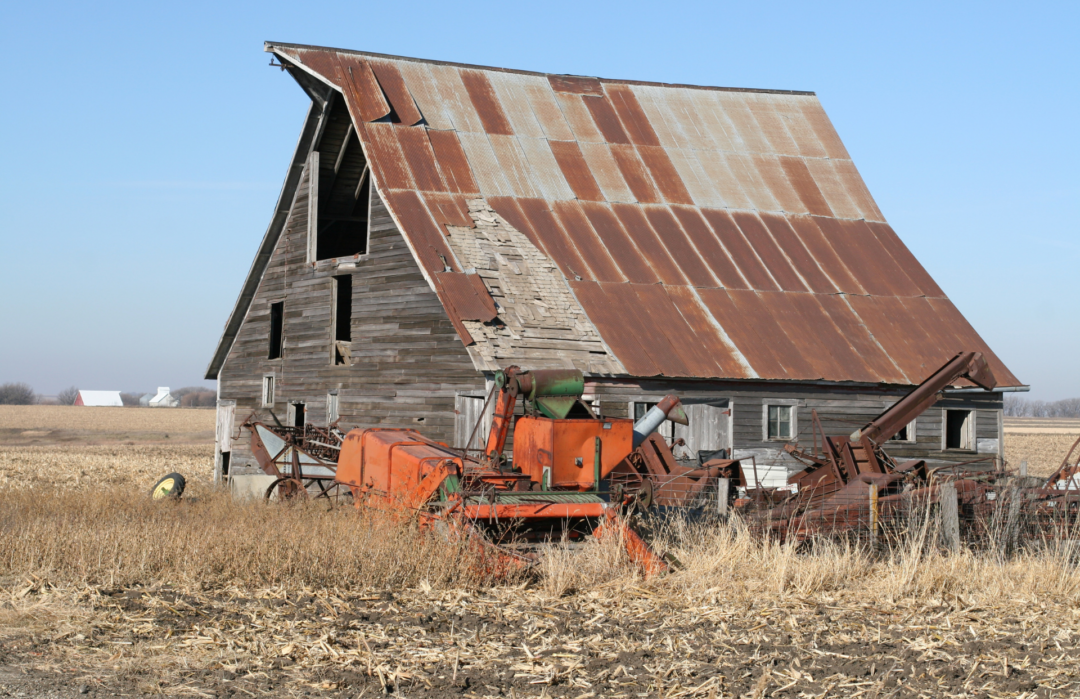
Barn with Junk

You really need to put yourself in the mind of a buyer that is seeing your property for the first time.

When they drive up your driveway what will they see? A neat and tidy property or one cluttered with old bits of machinery, wood scraps and junk? What would you rather see driving up to a property you might purchase?

I know that when you’re living in the countryside things seem to need constant repairing and it’s easy to let things pile up. But if you can, try to declutter around the exterior and do your best to organize the interior prior to your sale. Or at the very least, move the junk out of sight for the time being!

Besides, if there is debris, more times than not, a buyer will ask for the seller to leave both the interior and exterior in a “debris-free” condition in their offer. You may as well get a jump start on that before you list.

Now, outbuildings often need work but if you need to focus your budget on fixing only a few things, I still say stick with the home. Sure, if there is a gaping hole in the roof of your barn and you’re able to fix it up, do so. But if your budget is limited, again keep the focus on doing some things inside your home.


5. Landscaping & Lawn Maintenance

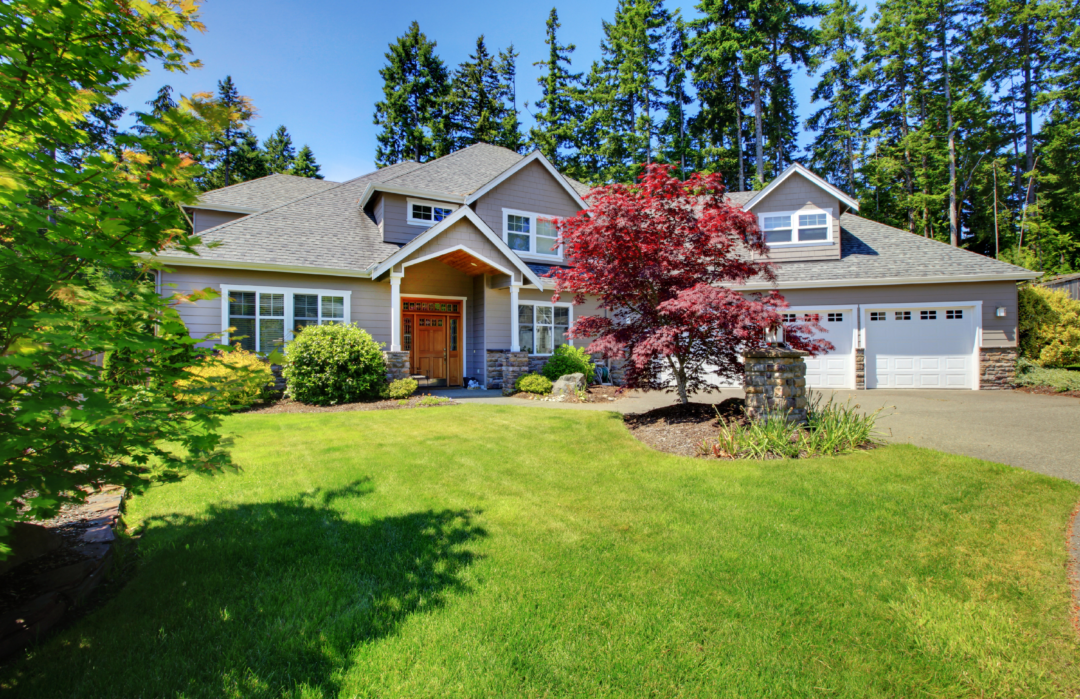
Country Home Curb Appeal

Our advice would be not to spend a lot of money landscaping.

If you have the budget to add in some sort of deck or seating area to your back yard, that would be fabulous. But if not, don’t spend the money on an expensive landscaping job.

Landscaping is something you should really only spend money on if it is something you get to enjoy.

Now, having said that, if your yard is in disarray, a clean up here would be necessary.  Trust me, I get it.  I was not gifted with the skill of keeping plants alive even. I am barely keeping a small cactus inside our house alive. So, if you are like me, just aim to keep your yard neat and tidy. 

The grass MUST be mowed. At least around the property and other lawn areas. If you have a good chunk of your property naturalized, that’s fine but try to keep grasses, vines and plants around the house under control.  If you can, plant a few flowers around the entrance of the home as well.

Potted flowers at the front entrance can go a long way to adding curb appeal too. They just need to last long enough for pictures and showings!

Keep your driveway plowed in our snowy winters as well as walkways to the house and paths to outbuildings, barns and the like.

If your property looks run down and overgrown with weeds it leaves a bad first impression for the buyer.  They may think the rest of the property and home is going to be in the same state, even if it isn’t. They may be thinking there are things they can’t see that should worry them.

A house that looks loved, will be loved.

6. Records & Documentation

Paperwork

Ok, I know I said you need to declutter but there are certain types of paperwork and documents we WANT you to keep around.

Here are some examples of items you might want to provide to an interested buyer.

Septic System and Well.

If you keep your documents on well and septic systems, A++ for you! These documents are helpful for buyers, cooperating realtors and inspectors when looking at rural homes.

Documents to keep on your septic and well can include;

  • Where the septic and well are located (if it isn’t obvious)
  • When the septic was last pumped
  • How often the septic has been pumped during your ownership
  • A record of water quality tests
  • If you have documents on when the septic was built, that’s even better. Not mandatory but if it is a newer system, a septic certificate should be kept on file.
Utility Information.

If you are willing to share utility cost information that is a fantastic bit of detail to provide to new country home buyers. This way they feel more prepared and confident about putting in an offer.


Easements & Zoning.

If there are any easements on the property, your realtor will likely need some sort of record for that. Or your realtor can easily retrieve this from your local municipality. Having zoning information, as well as any environmental restrictions on hand is also helpful. But again, this is easily retrieved and confirmed by your local municipality.


Tax Information. 
  • Annual property taxes will be needed prior to listing your property.
  • If you are part of any rebate programs(E.G. Managed Forrest Tax Incentive Program) you can provide this information as well. You don’t have to necessarily say how much of a rebate you get. This may only be applicable to you anyway. However, mentioning you are part of the program is good so buyers know it might be something they can apply for as well.
Property Updates.

Any recent updates you’ve made to the property can be shared with your realtor and kept on file as well – especially the expensive ones. For instance, if you have recently had the roof re-shingled, or furnace and a/c updated you should share those details with your realtor so they can make it part of the listing and listing notes.

Well, we hope this article helped give you some idea of what you might want to get ready for your country home listing. We, of course, would be happy to help with this. You can download our listing package here for information on what we offer our clients and their country home listings!


The Right Way to Downsize to a Country Home

The Right Way to Downsize to a Country Home

At any point in one’s life, it can become a bit of a burden to clean, maintain, and live in a big home.

Couples, small families, retirees, and even sometimes larger families all have their reasons for wanting a smaller home. It can be a way to save on finances, avoid a ton of housework or simply a way to change up your current lifestyle.

Now, downsizing your home doesn’t necessarily mean you have to downsize your property size.

We see more and more people wanting a cozy home but like the idea of having more space and being in a more peaceful, safe setting. They see the extra acreage as an opportunity for their families to enjoy and for them to pursue hobbies or even have a few more pets

Here are our top tips for the right way you can downsize to a country home!

1. Choosing The Right Acreage

choosing the right acreage

Naturally, the size of your country property is going to be relevant here.

Be realistic about what you need.

A 1- to 5-acre property is PLENTY of space for the kids to run around, for you to grow a vegetable garden, have some of your own chickens or set up a workshop. Remember, the point is to reduce the amount of work you have to do, and getting into a 10-acre country property could be the opposite of that!

However, there are a couple of caveats to this…

One being, for example, if you find a larger property, let’s say 10 acres. Where 7 of these acres are rented out to a farmer, you won’t have a large section of land to worry about maintaining… so long as the farmer continues to rent that piece of land from you.

Secondly, and importantly, the type of acreage you are buying also makes a huge difference. If the property is primarily forested and you plan on keeping it that way, there’s not much maintenance required. Now, if you are getting into a 5-acre property that is all lawn you are going to be cursing yourself for spending a good chunk of your Saturday mowing grass. The fun of a riding mower wears off towards the end of the summer for most people.

There is no shame in finding a half-acre property on the outskirts of town either. You can still get the country life feeling without being on a massive property.

The point is, you have options.

The best thing to do is explore a range of property sizes during your search and really get a feel for what you want, need, and what you can realistically manage.

2. Avoid Constant Maintenance

naturalized yard

At the risk of stating the obvious, county properties often require more maintenance than a home in town. From yard maintenance and snow removal to any fence repairing and outbuilding up-keep required, living in the country can take work!

If you are looking to downsize to a rural property, there are a few things you can do to help cut down on this maintenance.

For example, on larger properties, it might make sense to naturalize a good part of the land. Plant some native plants and let them GROW. You can keep a small section around your home for gardening and lawn cutting but naturalizing a good chunk of your property will drastically cut down on the amount of yard work you’ll need to do. Learn more about naturalizing your yard here.

We have a friend who owns a 2-acre property with a little four-stall barn where he keeps two mini ponies. They graze around his property and aside from some front yard work, he does not have to worry about cutting the grass too often.

Another thing you could do is, try to find a property will a reasonably short driveway. This should help lessen the time spent removing snow in the winter

When looking at homes make sure you understand the upkeep of the different utility systems that come with living in the countryside. For example, you may prefer to find a home with a well vs. a cistern because with the well you don’t have to pay for water or have it hauled in by a water haulage company.

Try to analyze properties early on from this perspective. Really think about what it is going to take to maintain not only the house but the land and any other structures as well. These are all things you can discuss with your real estate agent during your search.

3. Choose Your Location Wisely

It is possible to find country type properties on the outskirts of town.

A super example is Pelham/Fonthill in Niagara. This is an area home to people who enjoy the small-town feel but who enjoy the amenities of a chic little downtown area, and all day-to-day necessities like grocery stores, pharmacies, schools, and so on.

If you prefer to be close to an active nightlife or need easy access to shopping and schools we do recommend looking at a small property close to town.

Although going rural can sound wonderful, you want to keep in mind why you are downsizing in the first place.


4. Consider The Costs

Downsizing to the countryside might not mean a cheaper lifestyle.

To begin with, you may be buying a home that sits on more land, and so this could mean a slightly more expensive purchase when compared to a small home or condo in town.

However, if you are living in a larger home in the city and have built up a good chunk of equity in your existing residence, downsizing to a country home will likely be easy enough to accomplish when it comes to financing.

Monthly expenses should also be looked at too! Make sure to check up on what your property tax costs are going to be and if possible, ask current owners for an estimate of their monthly utility bills. As we have discussed in a number of other posts, utilities can vary from country home to country home and be quite different than those in the city.

On this note, it would be worth making sure the home is also as efficient in this department as possible. For instance, it would be a good idea to check that the windows are newer and not single pane. That the furnace is not extremely old and so on.


5. Choosing The Right Home

Little country home

As is the nature of downsizing, the home size is going to be very important.

Square footage should be paid attention to more so than bedroom and bathroom size. You can find 2 bedroom homes with 2500 square feet which might be a little more space than needed.

Don’t forget about the basement either. If you’re a young family that thinks they might need a little more space down the road a house with an unfinished basement might be the way to go to begin with. It provides an option to create space in the future if needed.

If your goal is to reduce the amount of work, don’t get into something that needs a lot of fixing up or updating.

Over the years we have helped people sell their existing home in order to downsize to a smaller home in the countryside. It isn’t always an easy decision to make, especially if your family has been in your existing home for some time. Memories have been made and experiences shared.

If you have made the decision to downsize we recommend:

  1. Figuring out your wants and needs early. View properties you think might be a good fit early so you get an idea of what to expect when the time comes to buy.
  2. Try to remain realistic and decipher between what you need vs. what you want.
  3. Be patient. It can be hard enough leaving a family home. You want to make sure the home you are downsizing to is something you are happy and content with.
Why More People Are Making the Move to the Countryside

Why More People Are Making the Move to the Countryside

It’s no secret that the impacts of COVID-19 have been seen in many economic sectors. Real estate is no exception. We don’t want to dwell on this topic for too long. I am sure you are as tired of hearing about it constantly throughout your day as we are.

We don’t want to downplay the negative impacts COVID has had on thousands of people.

But we like to look at the positive wherever we can.

This article briefly covers what we’ve been seeing over the last few months with more and more people looking to make the move to the countryside. COVID might not be the reason but it seems that everything it has caused has become a catalyst for people to buy the house they WANT rather than what they feel they need… more on this below.

A recent article by the Global News (which you can read in full here), covered various stories about this topic. City dwellers looking to move to the country, and some who had already done so. It also had comments from realtors who had seen an increase in interested buyers across various rural areas in Ontario.

Here are some of the driving factors that seem to be causing this change:

Working From Home

The less you have to go into the office, the more options you have with where you live.

If the commute is no longer an issue, you can look at a home further away from the office. Suddenly you have more options. There isn’t as much need, at least for some people, to live right by the highway to cut the commute time as much as possible.

House and Rental Prices


This point follows through from point #1. Let’s be honest, the rental prices are quite high right now. Especially in major cities. Looking for a home outside of the city seems like a reasonable options when you compare it to what you’d be spending on rent every month in a city like Toronto.

Housing prices aren’t much better in the bigger cities either. If you have the option to look at auxiliary towns and cities outside of these areas you immediately get more bang for your buck.

Access to Information


With more access to information online than ever before, moving to the country doesn’t have to be a daunting task. City dwellers who are used to city and suburban houses can get a ton of answers online about what to expect about living in and buying a country home.

For example, the article from Global News cited above interviewed a couple who credited YouTube as an excellent source of information for learning about setting up and running a permaculture farm.

Stay At Home Order Frustration


The stay at home order shed a light on the quality of life for many of those living in the city. It was even tougher for those confined to a condo apartment or small townhome with limited access to the outdoors.

Country Life Doesn’t Equal Seclusion


Here at the Land & Title team say this quite a lot, but country living does not have to mean complete seclusion and there are many country living options to suit your lifestyle.

If you don’t want to go to rural where you’d have a good 15 to 20 minutes drive to the grocery store, you don’t have to. There are a number of locations on the outskirts of town that qualify as country homes which might be better suited to you.

Not only that, but country communities are also very welcoming. They are often closer-knit and can be more friendly than people in the city. Well, that’s our biased opinion anyway. 🙂

Mental Health


It is pretty well known that living in the country is better for your mental health than living in the city. Here is an article that deep dives into that a little more if you are interested. With the added stress of the pandemic and everything else going on currently, more people are looking for a place where they can come home at the end of the day and feel at peace.


If you’re also thinking about making the jump to a country home, now is the time to do it. This trend of more buyers looking to move to the countryside is only going to put more pressure on the market and keep driving prices upwards. This is something many of us are seeing across the board with residential real estate.

Understanding Conservation Easements in Ontario

Understanding Conservation Easements in Ontario

Rural homes are often sought after for their natural beauty. Be it forested areas, picturesque streams or acres of untouched land, people want to live in the countryside to enjoy nature. Conservations easements (along with other environmental protection protocols) aim to protect this natural beauty.

When looking at country or rural homes you may come across a property that has a registered conservation easement on the land. Understanding what conservation easements are and how they work is important as they can have an impact on what you are or aren’t allowed to do with that property.

Below we answer some of the basic questions around conservation easements and offer up some advice for buying a property with one.


What is a Conservation Easement?

In short, this is a legal agreement between a landowner and an organization (such as a land trust, conservation organization, government agency, or local municipality).

The agreement aims to protect a portion of or the entire property by way of restricting what the land can be used for. Therefore putting rules into place about what future owners can/cannot do with the land. The protections laid out in the agreement are monitored and protected by the organization with which the easement has been registered, in perpetuity.

Under this agreement, the landowner can continue to use the land, sell it, gift it or pass it down to family.

To be clear, the landowner continues to own the rights to the property. Unless he/she decides to donate the entire property to a land trust which would be giving ownership to the land trust.

Conservation easement agreements can be tailored to the owner specifications as long as it aims to preserve the land. 

This easement, like others, will be registered on the property title.

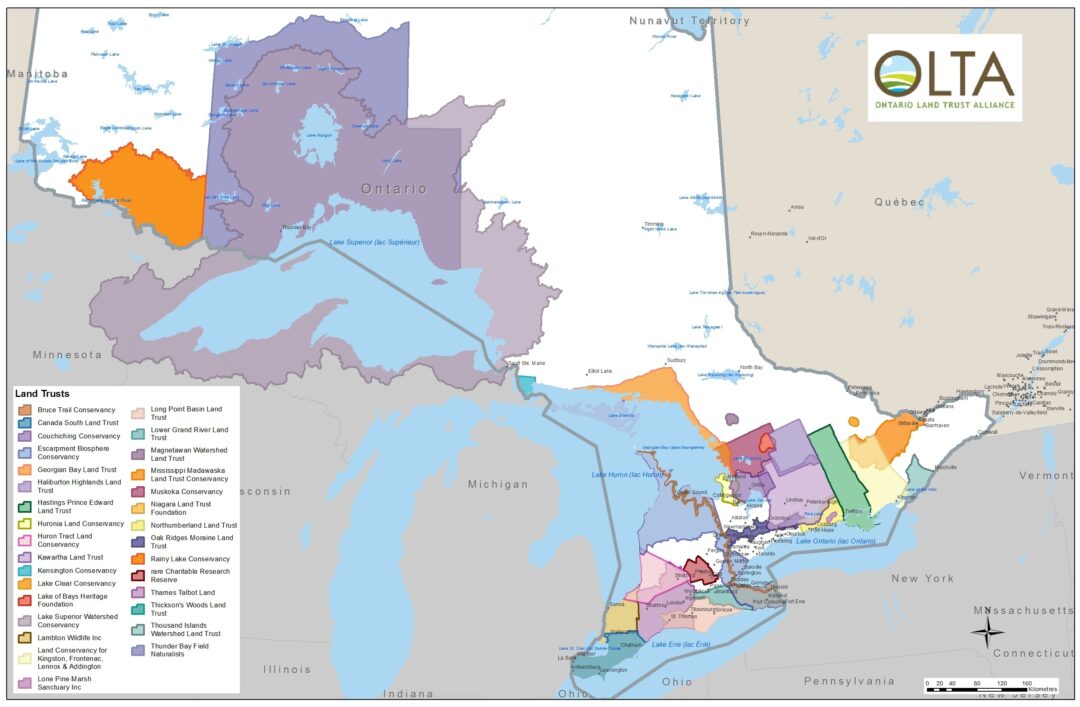
Land Trust Alliance - Ontario

What do Conservation Easements Protect?

Conservation easements can be used to protect the following:

What Are Some Examples of Conservation Easements Restrictions?

Any restrictions or prohibitions will be laid out in the conservation easement agreement. Some examples include:

Restricting the cutting down of trees. For example, the restriction might be put in place to prevent any logging or forestry activities but still allow the owner the cut down some trees for limited personal use (like firewood).

Prohibiting any hunting of wildlife or fishing on the property.

Prohibiting any land development, be it residential, commercial, or industrial. 

Prohibiting any extraction of archeological resources like sand, rock, gravel and other aggregates from the land.

Prohibiting any alternation of watercourses.

Are There Any Tax Benefits to Registering a Conservation Easement?

The short answer is yes, there can be.

By either registering a conservation easement or purchasing a property with an existing one, you may be able to benefit from either income tax deductions or reduced property taxes.

However, there are many requirements that must be met in order to qualify. 

There are a lot of nuances that go into qualifying for these programs.  It would be imperative that you speak with a tax accountant versed in such programs to get the best advice.

As a place to start, you can explore the tax benefit program resources below:

  1. The Federal Ecological Gift Program. 
  2. Conservation Land Tax Incentive Program.


Can a Conservation Easement Be Altered?

There is no simple “yes” or “no” answer to this, unfortunately.

We would say that most of the time the answer is No.

However, it depends on a few things:

  • The property and what is being protected
  • What exactly is stipulated in the conservation easement agreement
  • What you want to alter and by how much
  • Possibly which organization the conservation easement is registered with

For example, if you wanted to make an alteration to a home registered with the Ontario Heritage Trust in such a way as to maintain the integrity of the build you would likely have the support of this.

You would need to start by asking for permission from the conservation organization or trust with which the easement is registered and go from there.


How Do I Know if the Property I Am Buying Has a Registered Conservation Easement?

During your due diligence process, you can do a few things to find out if the property of interest has a registered conservation easement on it.

  1. Your real estate agent can ask the listing agent as the seller should know (but may not).
  2. Your agent or you can check with the local municipality.
  3. Have your lawyer pull the title of the property and see if there are any registered easements. This is going to be the best and most accurate option.


Can Zoning and Permitted Uses Have an Impact on the Conservation Easement?

Another “no simple answer” answer. In some situations, yes and in others, no. As is most often the case, it depends on the scenario. We’ll give you two example scenarios:

  1. A vacant land property has zoning that does not permit the building of any kind on that property. An owner cannot register a conservation easement that allows for the building of a home on that property.


  2. A vacant land property has zoning that allows for the building of a single-family residence. A registered conservation easement on this property does not allow for the building of any kind on the land. Even though the zoning allows it, the conservation easement takes precedent here and one could not build a home on the property.

Another important note is that even if zoning were to change, the conservation easement will still persist as they are registered on title and run with the land (not with ownership). For instance, if the zoning change on agricultural land allowed the building of a subdivision by the municipality but a registered conservation easement protection did not allow this, no subdivision could be built on the land.


Advice for Buying a Property With a Conservation Easement

Conservation easements are excellent tools that help with protecting green spaces and land in general.  But they can also be restrictive when it comes to building or making other property alterations.

Be aware of the restrictions upfront so that you can make an informed decision on whether the property is for you or not. If you decide to go ahead with a purchase, know as much as you can about the easement so you don’t run into any surprises in the future. 

If there is an easement on the land, you will also want to explore information on the organisation with which the conservation easement is registered. They may want to monitor the property from time to time and it is good to make sure your goals, plans, and ideas line up with that of the conservation authority or trust.

It is also worth noting that should you one day want to sell your property, the conservation easement may be of some concern to potential buyers. This likely won’t be a huge issue as many people wanting to buy a rural property appreciate the land protection but again it depends on the property and the restrictions involved.

Speak with a lawyer. It is so important to seek legal advice from a qualified professional on these matters. 

If you are interested in Ontario Land Trusts, you can find a list of all registered Trusts here

Did we miss anything on conservation easements? Do you have other questions or concerns? If so, get in touch and we’d be happy to help!


6 Common Concerns of First Time Rural Home Buyers

6 Common Concerns of First Time Rural Home Buyers


Buying a rural property or country home can be intimidating. Arming yourself with knowledge and as much information about country living beforehand is the best way to feel comfortable and confident with buying this type of property.

In this article, we go over 5 of the most common concerns that first time rural home buyers have and dive into how you can overcome them.


1. Can I afford to buy this house?

A question asked by many people looking to buy a home, any home.

To answer this question it is essential that you speak with a mortgage broker (or your bank) to find out what price of the home you would be PRE-QUALIFIED for BEFORE you even start seriously looking for a country home to buy. This will give you an idea right off the bat what price range you can look in. 

You can contact us for a list of trusted mortgage brokers and lenders.

Now, just because you can afford let’s say, a $900,000 country home, doesn’t necessarily mean you should buy one.

If buying a $900,000 home is going to put more strain on your finances, or worse if you are going to be living paycheque to paycheque in order to make the mortgage payments on this home, we would strongly recommend considering a more affordable rural home.

You can use this mortgage calculator to figure out an estimate for your monthly mortgage payments to help you get an idea of what you’ll need to budget for on a monthly basis.

Along with mortgage payments, you’ll have similar costs to what you’re used to in the city… property taxes, home insurance, utility bills (although these might be slightly different), as well as the added costs of maintaining your property and utility systems (more on that below). All things you’ll want to budget for.

If you need an outside perspective, consider talking with an accountant to analyse your income and expenses as well. You are welcome to contact us if you would like accountant recommendations. 

This leads us to our second point that will continue to help answer the affordability question.


2. What costs are involved in the purchase?

To help you decide if owning a country home is something you can do, here are some costs you can account for. Using these estimates might help you to come up with a financial plan for the purchase of your rural home.

Land Transfer Tax – you will have to pay land transfer tax when you buy a home. To calculate an estimate of this cost you can visit our Land Transfer Tax Calculator page here.

Lawyer Fees – It can be difficult to accurately estimate these fees. The best thing to do is to contact your lawyer for an estimate. Typically we see fees being around $1,500-$2,500 depending on the property.

Home Inspection Costs – A home inspection for a country home can range from $400-$600 depending on the property.

Septic System Inspection Costs – Private septic system inspections in Ontario can range from $250-$420. This cost could be higher depending on how thorough of an inspection you decide to do or is possible.

Well & Well Water Inspection Costs – You’ll definitely want to have the well and well water checked out by a professional before making a rural home purchase. Typically with a well inspection, you are going to be testing for well capacity, flow pressure, and water safety/potability. You can expect to pay $150-$400 for a well inspection. This cost will depend on the type and number of well water tests you elect to do. 

Title Search Insurance – It is not mandatory that you have title insurance when you buy a home in Ontario. However, most mortgage lenders require it if you are getting financing with them, especially when there is no property survey. This can cost $300-$500 depending on the property. This is usually only a one-time fee that will make up part of your closing costs.

Home Insurance – You can get an estimate of your home insurance by going online or speaking with your current home insurance provider. We cannot provide an estimate here because there are many factors that go into calculating the cost of your home insurance. 

Property Taxes – You can get a pretty good estimate of what your taxes are going to be by looking at the country home listing. Often times the listing will include either the current or the previous years’ tax amount. You can also use a property tax calculator for the region you are searching for a home in, but these aren’t always 100% reliable.

A note on Commission Fees – There is a common misunderstanding with some new home buyers that they pay commission fees. This is not the case. The seller pays the commission to both the buying and selling agents. Unless some sort of agreement is made between you and your agent prior to the purchase you will not owe any commission fees.


3. Am I overpaying for the property?

There is no exact formula that you can come up with to answer this question for you. There are a lot of factors that go into deciding what price you can and should pay for a property.

Here are some factors that you can investigate so you feel more confident about the price you pay for your country home.

Market conditions

Ask yourself what the current market conditions look like. Are we in a seller’s market? A buyer’s market? A balanced market? What is going on in the economy? What are interest rates like? And so on. All of these factors (and more) are going to have an impact on what price you end up paying for the property. If we are in a seller’s market, you can expect to pay a premium for the property since there likely won’t be many other options to choose from. There could even be a chance that you end up competing for the property. If we are in a buyer’s market or one that is more balanced, you may be able to negotiate on the price.

 
Comparables / inventory / time on the market

Looking at recently sold listings (~ 6 months to date) can give you a good idea of what houses are selling for. As mentioned above, less inventory on the market means you have less to choose from and you may not be able to negotiate down on price as much as you might want to. If the property has been sitting on the market for some time it could be that a) It is overpriced or b) something is wrong with it that is not immediately apparent from the listing or c) we are in a buyer’s market and there are a lot of other homes to choose from, all of which give you an opening for negotiating on the price.

Now, rural homes are special and oftentimes unique from one to the other. In urban or suburban neighbourhoods, looking at comparables is essentially comparing apples to apples but with rural homes, this is often not the case. Also, a country property may have a particular feature that is more valuable to one buyer but maybe less so to others. The buyer who values a certain feature may be more willing to pay a higher price for this home than another buyer. This is something that needs to be accounted for when comparing sold rural listings to come to an agreeable offer price.  

 
Neighbourhood

It is a good idea to know what neighbourhood you’re buying in. With country homes you don’t necessarily have “bad neighbourhoods” but there are certainly areas you want to be in and others you might not. The neighbourhood you want to be in will depend on where you want to be, what price range you are looking in and how important the perceived value of the area is to you.

For example, if you need to commute to Toronto but want to live in the Niagara Region, buying a rural home in Grimsby is going to be more valuable to you than say buying in Sherkston (Port Colborne), even though on average rural homes there might be slightly cheaper.

The Home and Property

Is it the right home and the right property for you? This is a question only you can answer. And you need to decide what you are willing (and of course, able) to pay to get the ideal home for you. We’ve had many clients that decide to purchase a cheaper property and put money and work into the home to make it ideal for them. Others are willing to pay more than asking in a competition setting because it is the perfect home for them. And some prefer to wait for the stars to align where the right property and the right price come together. All of which is perfectly fine! At the end of the day, the decision is ultimately up to you. 

4. How much work is involved in maintaining the property? 

We can’t really answer this question without knowing exactly what property we are looking at. Naturally, this is going to depend on the size of the property, how much of it is lawn vs. naturalised, the length of the driveway, the type of property and so on. 

The best thing to do, once you have settled on a property, is to make sure you have all the equipment you will need to maintain the property. At times, the current owners will leave items behind such as a riding mower or snow blower if they don’t require it at their next property. We have a client / friend who got really lucky when he purchased a country where the previous owners left him a tractor! 

If you have a lot of lawn you will definitely want to invest in a riding mower or budget for hiring out landscapers for the spring, summer and fall months if you prefer. If you have a 600 ft. driveway a tractor and plough is going to be a blessing in the winter months. Items like hoses, shovels, fencing tools and others depending on what your plans are for the property. 


5. How do I manage the utility systems on a country property?

The two main systems you are going to need to get used to and learn to maintain will be your water and your septic systems.

We’ve done an article on caring for both systems (see links below). So we won’t be diving too deep here. In short, caring for your well and septic system involve firstly inspecting them before you even buy the rural home, secondly, preparing yourself with basic knowledge about the system, thirdly, using the systems properly and lastly making sure to conduct regular maintenance checks on these systems. 


6. Is the country life the right lifestyle for me?

Living in the countryside can be a magical experience but at times it can also be hard work.

The good news is there are a variety of country lifestyles you can choose from to suit your needs. You can find smaller acreages closer to town so that you don’t have to change your life too drastically by your move.  At the other end of the spectrum, if you want a more rural life, living far away from any city and don’t mind a 15-minute drive to get groceries, that option is available too. And there are many other options in between.

It is good to remember that, unlike the city, you may have to contend with things like septic system malfunctions, potential well issues, a larger lawn to maintain, often times a larger driveway to plough in the winter, driving further to get groceries, living further away from friends and so on. As we have said many times, this is a rewarding life but just remember to be mindful of all the aspects that come with this lifestyle.

Do you have any concerns about buying a rural home that we missed in this article? You can reach out to us any time and we’d be happy to answer your questions. Email us at info@landandtitle.ca.


Don’t Miss Out On Our Country Home Real Estate Guide: A FREE Guide for everything you need to know about buying a country home