Moving To The Country

Moving To The Country

Moving To The Countryside

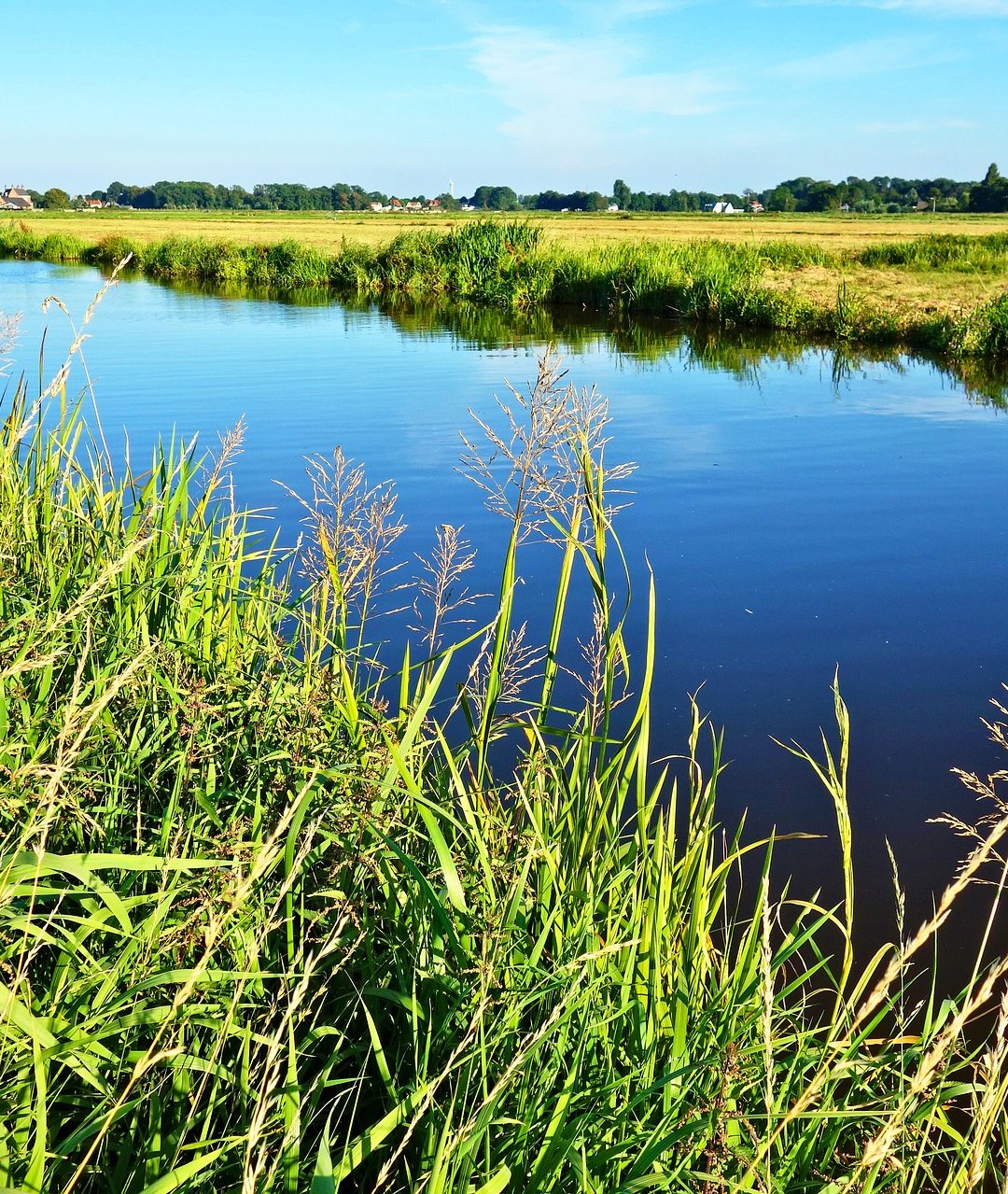
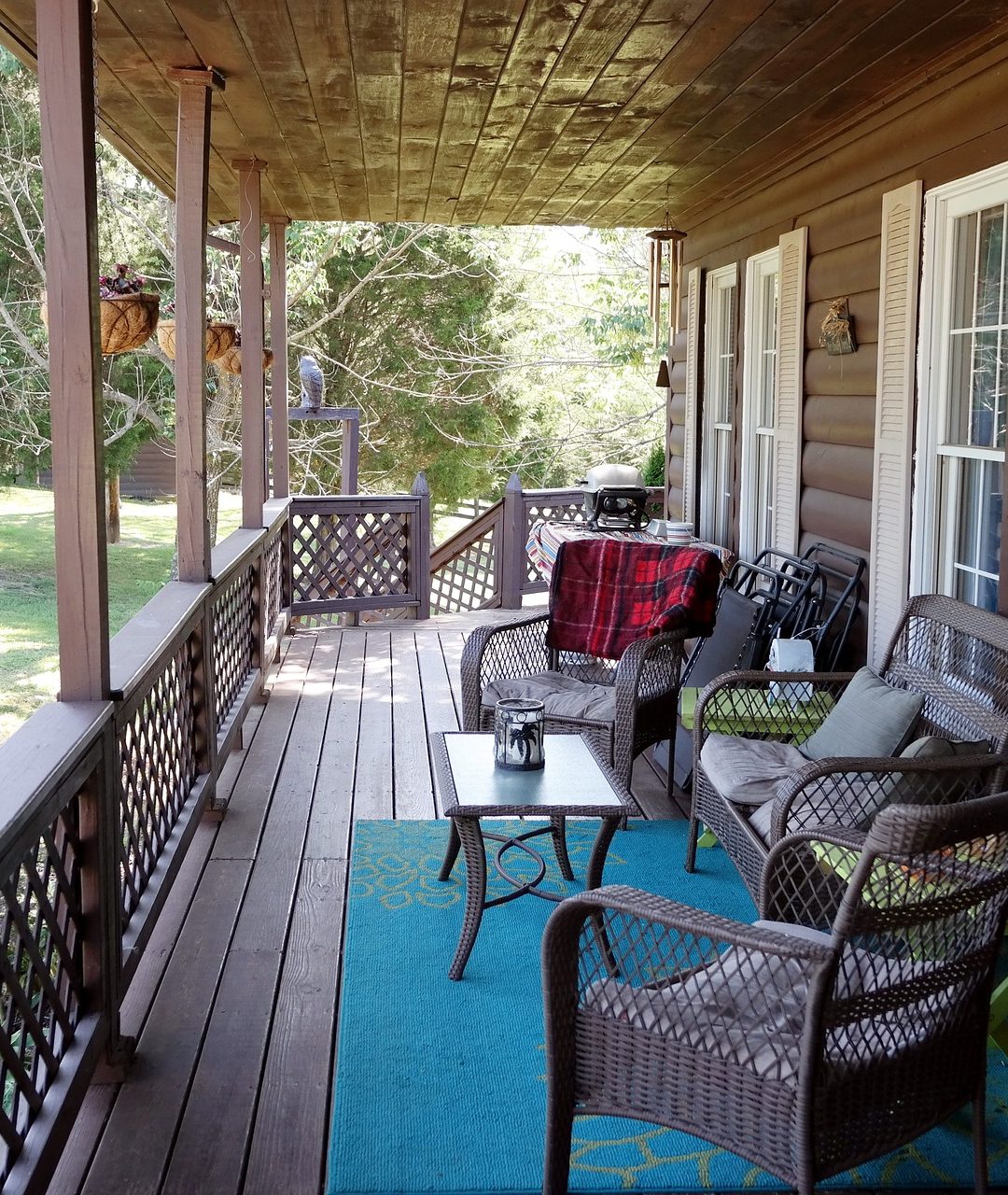
If you have ever dreamed of moving to your own little country paradise, here are a few things to consider when planning your escape to a life filled with peace and quiet, and perhaps even a little wildlife in your back 40.


Lifestyle and Land Use​​

The first thing  to do is decide on the scale of your spread. 

More than anything, this is likely going to be dictated by price.  Once you know your budget you can start to search different areas that are of interest to you.  There is quite a range here to consider, from just a small country lot to perhaps a larger property that might have some sort of income producing business attached to it.  You could be looking at a livestock operation, a horse boarding facility, or perhaps a cash crop farm.  Maybe it’s an apple orchard, organic vegetable farm, or it could be a piece of land to do nothing with at all except wander around in your sweat pants and rubber boots – there are so many exciting options to consider when you live in the country.

Property Restrictions – Do keep in mind to double check with the region or municipality to make sure you are allowed to do what you had in mind.  For instance, there may be certain minimum land size restrictions if you are considering keeping some sort of livestock.  Are there any right of ways held by gas or hydro companies?  You may also have to check with the Conservation Authority, or the Ministry of Natural Resources to find out if there are any ownership rights or restrictions.


Distance to Town… Distance to Anything

Having to make a 10-minute+ drive back to town because you forgot to buy milk is something to consider.   The simple conveniences of living in the suburbs or the city may not be as accessible in rural areas.

You may want to look into accessibility of the school bus route, distance to the hospital, or even the gas station before settling on a property.


Accessibility of The Roads

While we’re on the topic of driving, you’ll want to know if the roads accessible all year round. They may not be plowed in the winter by the municipality (although in the city,  we’ve been told by some they’re lucky if their side roads are plowed once a year).  In the country, sometimes private companies are contracted out to plow these roads for you, with the neighbors who live on the same road often sharing this cost.   Sometimes the road can remain unplowed for days depending on the amount of snowfall, and getting down your road could be a real challenge.   If you can’t get down your road the school bus can’t either which means kids may have more snow days in the year; I am sure they won’t mind this, but it is something you will have to plan for.


Staff, Equipment, and More

Staff ­­­­–  Depending on the size of your property and what you plan to do with it, think about whether you are going to run the show on your own, or will your be hiring on staff?  If you are still planning to work at your job full time, this could mean extra work before you leave for the day, and extra work waiting for you when you get home.  No one gets supper until their chores are done!  Maybe you could rent the unused land to a tenant farmer?

Equipment – For those winter months you may need a snow blower if you’re on a big lot with a relatively normal sized driveway, but if your driveway is two hundred feet long or more, having a tractor with a plow might be an essential piece of equipment to purchase.  For the spring, summer and fall months you may need a riding lawnmower, or possibly a tractor with a bush hog. Hiring someone to plow your drive or mow your lawn is also an option, but it might not be ploughed or mowed as quickly as you might like.   It will be work on some days, and the reality of living it might not be as romantic as once thought.  All of this said, most people considering this lifestyle are not going to mind the extra work and are likely to find it gratifying and worth it.


Life Support Systems 

Living in the country will require a little getting used to when it comes to the systems of the property.

Septic Sewer – If you have ever been to a cottage or a country property and have seen a sign in the bathroom saying, “If it’s yellow let it mellow, if it’s brown flush it down”, here is why! In the country you will no longer be connected to the city sewer system.  Instead you will have what is called a septic sewer system.  There are quite a few different types of septic sewer systems, but the most common in Ontario are a septic holding tanks for solids and sludge combined with some type of absorption system such as a leaching bed, where the liquids are filtered through and then absorbed back in the ground.  The solids and sludge in the tank will require an outside service company to visit the property from time to time to suck out all the contents with what is basically a giant vacuum on the back of a big truck.   There will be a cost for this service so it is something to budget for.  As the property owner, the condition of this system will be your responsibility, so being careful with what you flush or dump down the drain will be something you will want to educate yourself on.

Water system – There are two types of water systems commonly found in Ontario for rural properties not connected to the city water line.  Depending on where the property is located, if there is adequate and safe ground water somewhere below your property you will likely have a well water system.  This is great because you will not have to pay for water!  When doing your due diligence on a property with a well, you need to have a sample of the water taken and tested at the municipality to make sure it is safe for drinking and is not contaminated. Maintenance of the pump and filtering system will also be required.

The other common type would be a cistern or tank system if there is not sufficient ground water.  This means you will have to purchase your water.  If you have ever seen the trucks with tanks on the back that say something like “Ed’s Water Haulage”, “Ed” is trucking water to someone who has a cistern that needs filling.

Heat Fuel System – There are a variety of fuel types found in country properties, from old electric systems, to propane or oil systems where a fuel provider will visit the property to fill up your tank just like the way you fuel up your car.   If you are not too far out of town you may even be lucky enough to be connected to a natural gas line.  It all depends on where the nearest gas line is located.  Some older properties may even rely on wood stoves and fireplaces for a portion of the heating.

If you are planning to build a home or make significant improvements to the home, there are quite a number of options to explore for lessening your reliance on heat fuel.  For example, you could explore geo thermal heating, or even a passive solar design of the house itself if you are building from the ground up.

Electricity – This system is pretty straight forward.  Unless you are building a house that you have to fly in a bush plane to get to, you will most likely be connected to the electrical grid.  One potential opportunity though, would be to supplement your electricity by creating your own!  This will be site and location dependent.  But if your plot is right, you may want to explore, solar and wind as possible systems to create some of your own power.   If your property and systems are large enough you might even be able to obtain a contract with the Ontario government to sell electricity back to the grid.  This would require a real cost to benefit analysis, as large scale systems are expensive and you are required to pay for the system yourself.  Speaking to an expert will give you clarification on whether this is a viable option worth entertaining.


Property Improvements 

A small but noteworthy subject to understand with rural properties are property improvements.  This is important if you are planning to sell the property down the road. Depending on size and function of the property, improving things like out buildings if any; e.g. barns, sheds, etc.; or land improvements such as habitat restoration (like ponds, reforestation etc.), generally will not impact the value of the property that much.  Smaller properties still see the biggest impact on value when the house itself is improved.  Now, if you buy 50 acres with an old house on it, and then you build a significant amount of infrastructure for the operation of a larger scale business, such as an equestrian facility, or a dairy cattle facility that would be a different story as you have built something of value that can generate an income.


Taxation Notables

 If you are planning to use your property to generate some sort of income, there are some serious tax advantages that you will want to understand.  Speak to an accountant versed in farming taxation to get a full understanding of what the parameters are and how to structure your business.  If you weren’t planning on generating any income with your rural property, you should take the time to educate yourself on what advantages might be available to you if you did start some sort of venture on your property.  Beyond income taxes, there may also be property tax discounts as well.  Under the Assessment Act regulation that came into effect in January 1998, eligible farmlands in Ontario can be classed in the Farm Property Class and taxed at 25% of the municipal residential rate.  Checking with the Municipal Property Assessment Corporation (MPAC), for specifics on a subject property are a crucial part of your due diligence when shopping for a rural property.


Living in the country is certainly a lifestyle choice, and is not for everyone.   But if you have ever dreamed of giving up sirens and traffic for coyotes yipping at sundown, why not start exploring the different options out there today …..it could be the start of a real life long adventure. 🙂

For more in depth information, pricing and property properfiles check out our New! Country Home Real Estate Guide.
The Executive Rentals Market in Ontario

The Executive Rentals Market in Ontario

The Executive Rentals Market

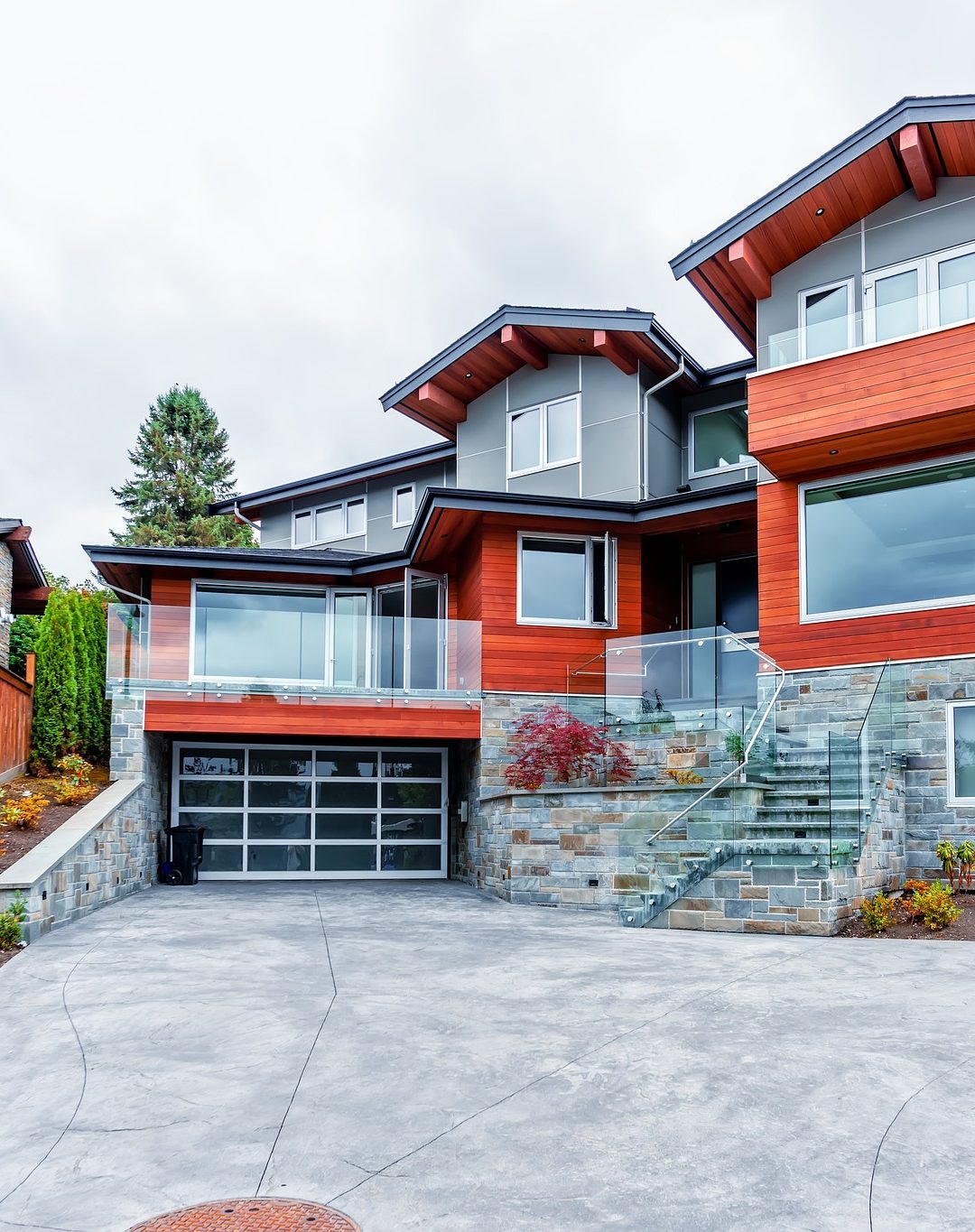
In our opinion, buying any home should be looked at as an investment.  Buying a good property in a good location for both future appreciation and as a way to generate some level of income.  Nowadays, it is a luxury to own a home in the country or in expensive cities like Oakville or Toronto. If you are fortunate enough to already own such a property, or have plans to purchase one, the executive rentals market may be just the place to supplement some of those mortgage payments. 

What is an Executive Rental Property?

Simply put, this can be either a short- or long-term lease on a high-end property, offered for rent at a high price.

Properties of this nature have all the bells and whistles. The house itself would need to be beautifully updated from floor to ceiling (no IKEA cabinetry here). It would need to offer high-end appliances throughout as well. On short-term executive leases the house is furnished (and can be the case with long-term as well). Modern, Luxurious and high-end furniture is a staple in these properties.

The home or building should offer multiple amenities to the renter – such as a spa or gym facility of some sort. 

Executive Renters  want that homey feel with all the necessities and ease of staying in a hotel.

The Market

This market is a small niche section of the rental market in Canada. Generally, we would not recommend going out and buying a $1,000,000 property strictly as an investment.  Usually owners of these types of properties purchase them as residences for themselves and then rent out a section of the home or property. 

Who is your likely client base?
Your clientele for executive rentals consists of business professionals, foreign university students, wealthy families and people looking for short-term rentals for vacation rentals or events (think wedding parties, girls’ weekends and so forth).

Professional athletes are another client base for luxury rentals – but this is seasonal and very location dependent. For example, homes were rented out during the Pan-Am games held in and around Toront as are many home rented in Port Dalhousie during the Royal Henley Regatta.

 
The Pricing

What is executive / high rent?
It will range depending on where the home is located. Naturally, the closer you are to Toronto the more expensive rents seem to get. On a regular “long-term” lease (e.g. a 1 year term), we have seen ranges from $3,000 – $12,000 / month, sometimes more.

When it comes to high-end, short-term rentals, we have seen a range of $5,000 – $15,000 / month and again sometimes more than this. It is unclear, however, how often or how long these short-term properties are rented for.

The higher priced rentals are definitely an anomaly. People renting properties for this amount aren’t your every day average tenant and finding executive renters can be a challenge, especially if you are not in the right location.  

If you would like to see some examples or do some research on executive rentals around Ontario check out these links:

 The House

It goes without saying, but I’ll mention it anyway; executive properties need to offer something special to clients. This is in regard to the home, the location and the amenities offered in or nearby the home. Again, these are not your average tenants and your house can not be an average home.

As previously mentioned, the more rent you are hoping to get the more extraordinary the home or condo will need to be. And still there is no guarantee of getting that peak level rent. From ceiling to floor, luxury and style is a must in these homes. 

The look, size and feel of the home are all going to play a factor in what your house is worth to tenants in the executive rental market.

The Location

The location will range depending on your target market. If you are looking for single executive professionals, a penthouse unit in Yorkville would likely be what they are looking for. On the other hand, an executive professional with a family may wish to live on a beautiful treed lot somewhere in the Halton Hills region. 

If you are catering to travelling professionals, wealthy vacationers or wedding parties, having a home with a view will go a long way. Your view might be a winery, lake or escarpments views. Having this scenic option for executive clients is ideal.

The Amenities

Amenities in the home (or close to the home) should include a gym facility, spa facility of some sort, a swimming pool or hot tub and of course laundry facilities as well. Anything that adds vale to your clients stay is key.

Relative closeness to restaurants, shopping and recreational activities are all a plus as well.

 
Advice

When is it the right investment?
Homes and condos of the caliber described above do not come cheap, not to buy and not to keep up on a monthly basis.  We would never recommend buying an expensive home as an investment with the hopes of renting it out for a large amount of money – this is definitely not a wise strategy.

I do like what I am seeing on the various real estate boards and believe that the executive rentals market is gaining traction, but still it remains a niche and somewhat risky market.

Who might this model work for best?

  • Someone who already owns a home in a high-end or beautiful area. It may be that they are able to rent out a portion of the home,  are moving, travelling for an extended period or perhaps are looking to downsize their primary residence while still holding on to the property for income purposes.
  • If you are someone with experience in the AirBnB market, you may be more able and more willing to take a risk on a higher priced property. Again, I would not recommend the purchase of a $1,000,000 property in the hopes of renting it out in the executive market sector (be it for vacations or short-term rentals). 
  • Someone who is buying a property for themselves can consider living in the property while renting out another section of the home in the executive / luxury or AirBnB rental market sector. 

There is definitely money to be made in the executive / luxury rental market. However, there is a right way to do it and a wrong way to do it and doing it incorrectly could be extremely costly to you.  Always seek advice from a professional before tackling this market niche!


If you have questions about the executive rental market or would like to see currently leased executive rentals in Ontario, shoot us an email.


The 4 Steps To Getting A Building Permit in Ontario

The 4 Steps To Getting A Building Permit in Ontario

Getting a building permit may sound like a daunting task but it isn’t as bad as it seems. If you have plans to demolish, construct or renovate your home it is a great idea to speak with a builder or your municipality prior to starting the application process. They are they experts and likely have tons of experience navigating this route. Having someone who can advice you on what to do, or better yet, dealing with contractors will apply on your behalf will make the whole thing a lot simpler and hopefully a little less stressful.

Some Projects That Require A Building Permit:

  • Construction of Attached and Detached garages.

  • Demolition of existing structures.

  • Excavating or construction of a foundation.

  • Installation of Pools.

  • Construction of Decks over a specific.

  • Completing unfinished spaces (like attics or rec. rooms).

  • Making any renovations, repairs or additions to existing buildings.

  • Construction of any new building over ten square meters (including accessory apartments).

  • Construction of a Seasonal Building.

  • Any alteration, installation or extension of on property sewage systems.

The process outlined below is very simple. There may be more steps involved depending on what municipality you are applying to and the type of permit needed.

STEP 1: Making The Application

The first step is to submit an application to the Building Department of your municipality.  In a nut shell, your application is going to outline your building plans and will include things such as site plan, building sketches and other supporting documents.

Note: It is a great idea to always check with the right authorities before doing any major renovations on your home. Too often we walk into homes that have either shoddy workmanship or are not up to code. 

You can get an application from the Municipality of Affairs and Housing Building Code Website.

STEP 2: The Review

The applicable department will review your application by checking the following:

  • Conformity to Zoning By-Laws

  • Compliance with Building Code (e.g. Structural, Fire and Life safety)

  • Compliance with Mechanical Components set out by the Building Code (e.g. Heating and Ventilation)

STEP 3: Receiving The Permit

Once the application has been reviewed and accepted, you will receive a permit and can get started on your project.

You may need to post this permit on the construction site. Building plans may also need to be kept on site for when inspectors come around to check up on how things are going.

Note: If you decide to make changes to the original plan, you may have to go back through Steps 1 and 2 to ensure that the changes are acceptable. 

STEP 4: Scheduling Inspections

Generally, once you are issued a permit there will be varying levels of construction that will require inspection before you can move on to the next phase of your work.

Inspections usually have to be scheduled about 24hours before the work proceeds onto the next phase.

Source of this Information and to find out more, you can check out this PDF page form the ‘Ministry of Municipal Affairs and Housing’: http://www.mah.gov.on.ca/AssetFactory.aspx?did=592

10 Unique Shipping Container Homes

10 Unique Shipping Container Homes

Shipping container homes have been a growing trend for a while now. In a market like we have today, container homes could be another option for buyers looking for a unique new home.

They are affordable, easy enough to set up, can be altered and constructed off-site, speedily set up on site and of course there are eco-friendly befits as well.  Although some of the homes below wouldn’t necessarily work in a climate like we have here in Canada, they will hopefully inspire some ideas on unique architectural living.


COROMANDEL BACH

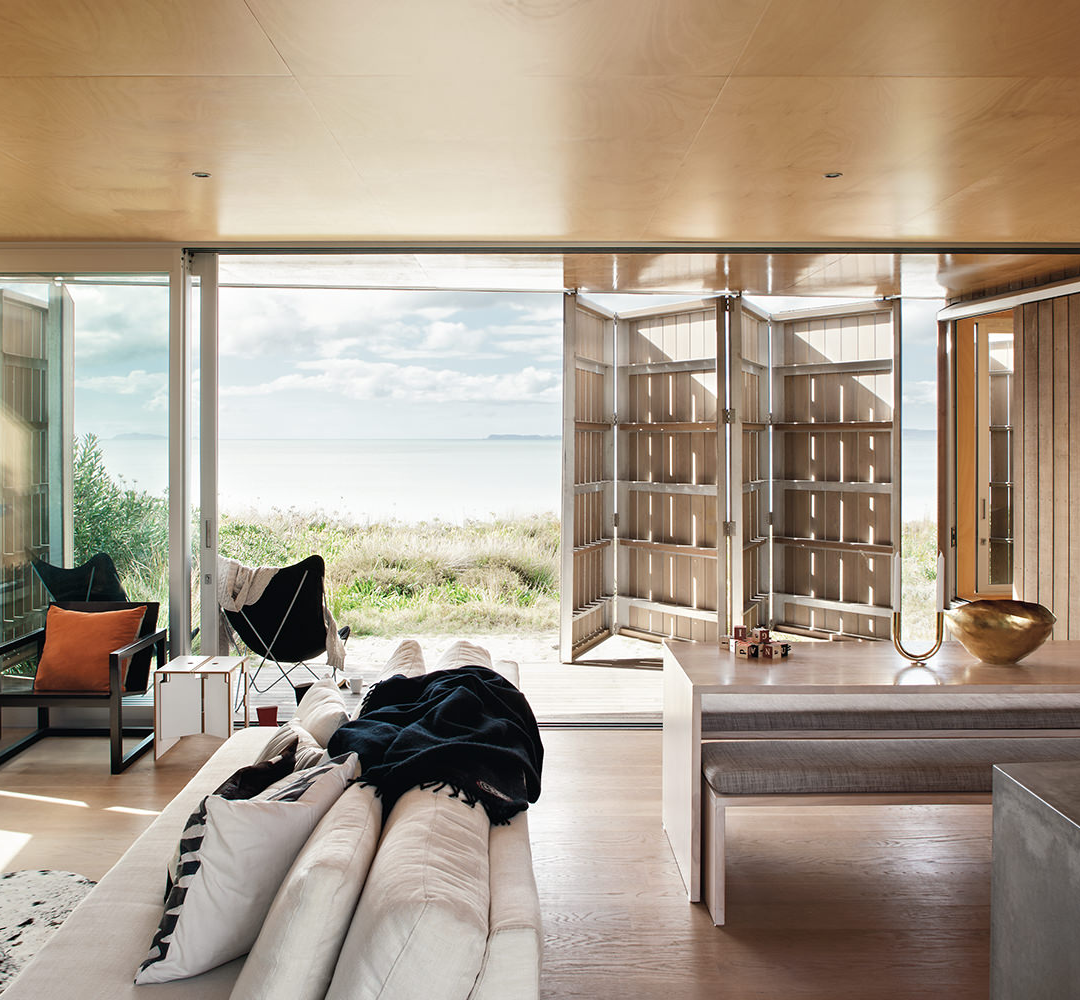
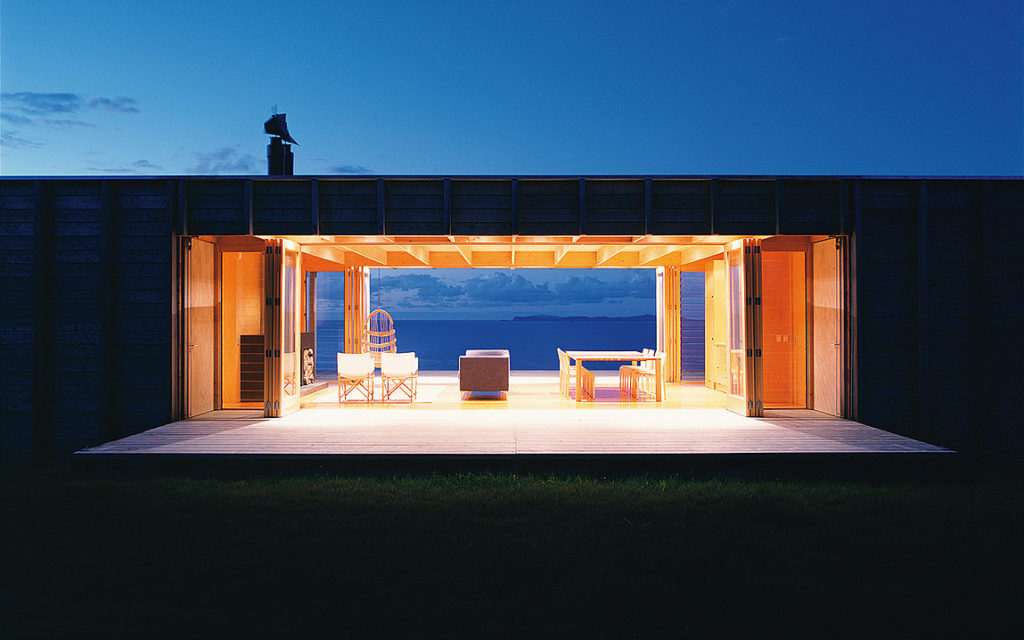
Having a breath-taking view like this definitely adds to the beauty of this home, but it is still extremely stunning in its own right.  This is a timber container and different sections can be opened or closed depending on what view you feel like admiring.

Architects: Crosson, Clark and Carnachan Architects
Cost: Unknown
Number Of Containers:  Unknown
Sq. Ft: Unknown
Location: New Zealand
Website: http://crosson.co.nz/portfolio

Image Credit: Crosson Architects


CONTAINER STUDIO

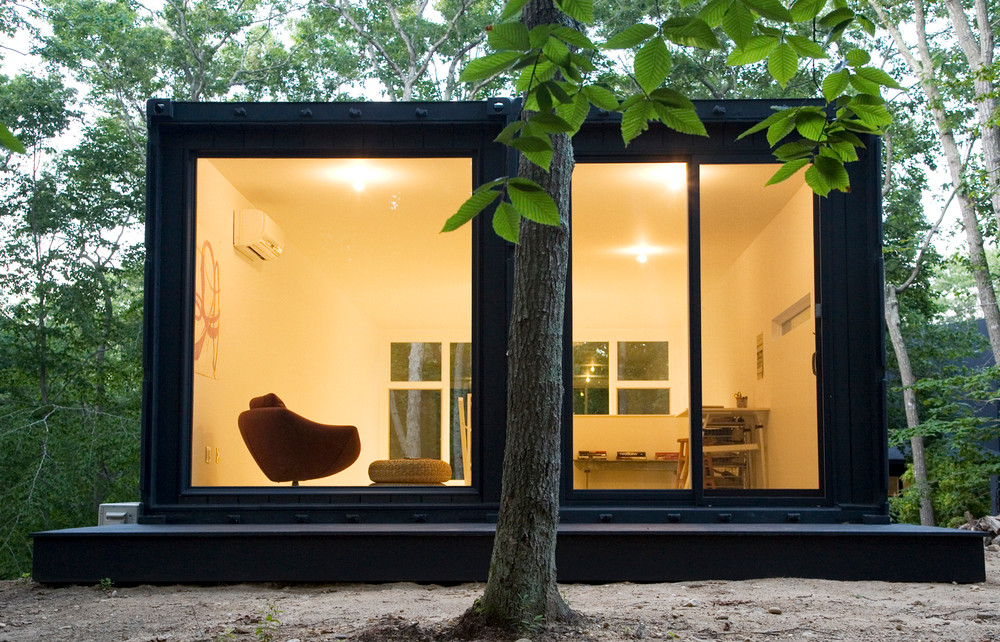
This project was built as a workspace for an artist and it could be a great option to use as a home office on your property if it is large enough.

Architects: Maziar Behrooz Architecture
Cost: $10,000 for the Containers
Number of Containers: Two
Sq. Ft: 840
Location: New York, USA
Website: http://www.mbarchitecture.com/

Image Credit: MB Architecture

Image Credit: MB Architecture


CONTAINERS OF HOPE

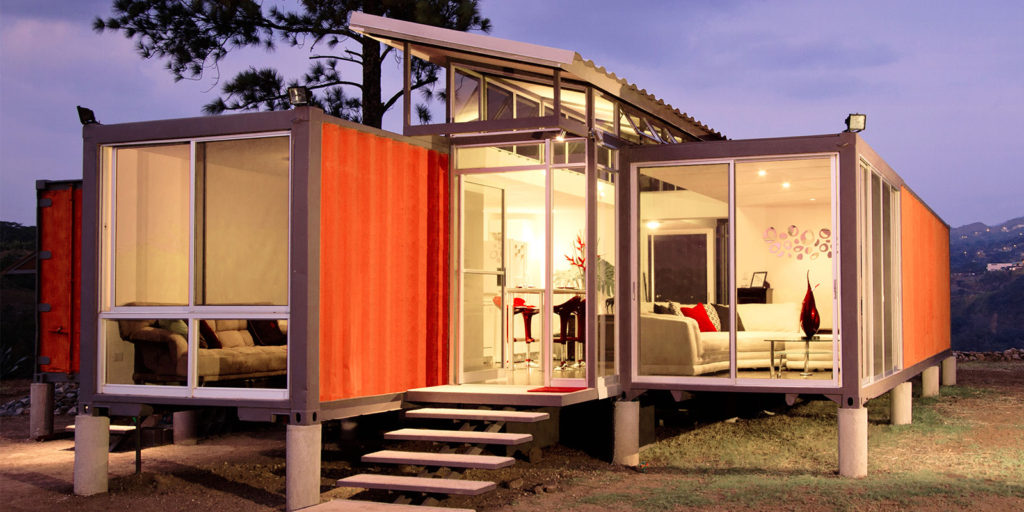
This is definitely a container home for you mavericks out there. It is beautifully unique in colour, design and layout. Check out this architects website because he has some of the most fantastically designed homes I have ever seen.

Architects: Benjamin Garcia Saxe
Cost: Reported as being $40,000
Number of Containers: Two
Sq. Ft: 1076
Location: Costa Rica
Website: http://www.benjamingarciasaxe.com/

Image Credit: Studio Saxe Architecture


SHIPPING CONTAINER HOUSE

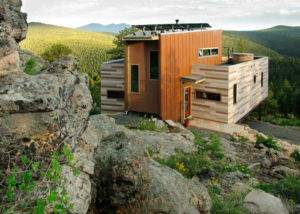
The name does not ooze creativity but the container home itself definitely does! Built with environmentally sensitive rock, this contemporary home is attached to the surrounding rock and thus seems to fit seamlessly with the stunning surroundings.

Architects: Tomecek Studio Architecture
Cost: Unknown
Number of Containers: Two
Sq. Ft: 1500
Location: Colorado, USA
Website: http://tomecekstudio.com

Image Credit: Tomececk Studio Architecture


TWO TREE HOUSE

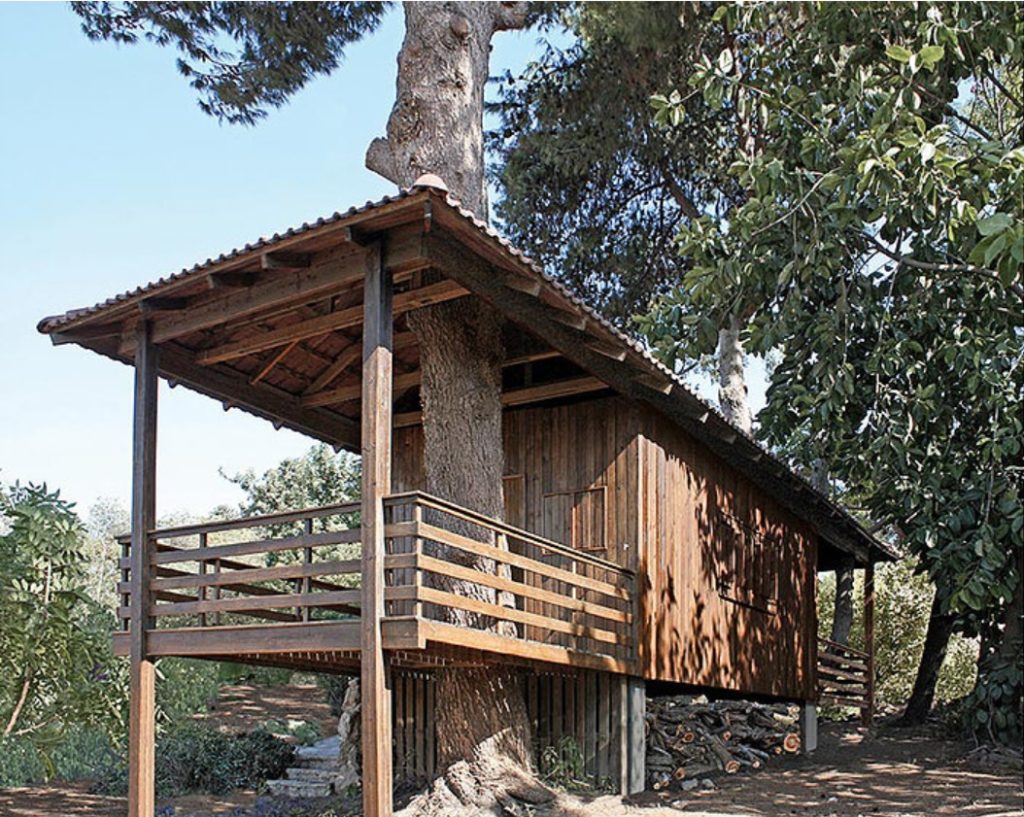
This is a fantastically unique home that has been placed in such a way as too preserve the surrounding pine trees. This would be the perfect little summer cabin for adventure filled getaways.  Aside from the shape, it is hard to believe this home was built with shipping containers.

Architects: Golany Architects
Cost: Unknown
Number of Containers: Two
Sq. Ft: 484
Location: Israel
Website: http://www.golanyarchitects.com/

Image Credit: Golany Architectects


UPCYCLE HOUSE

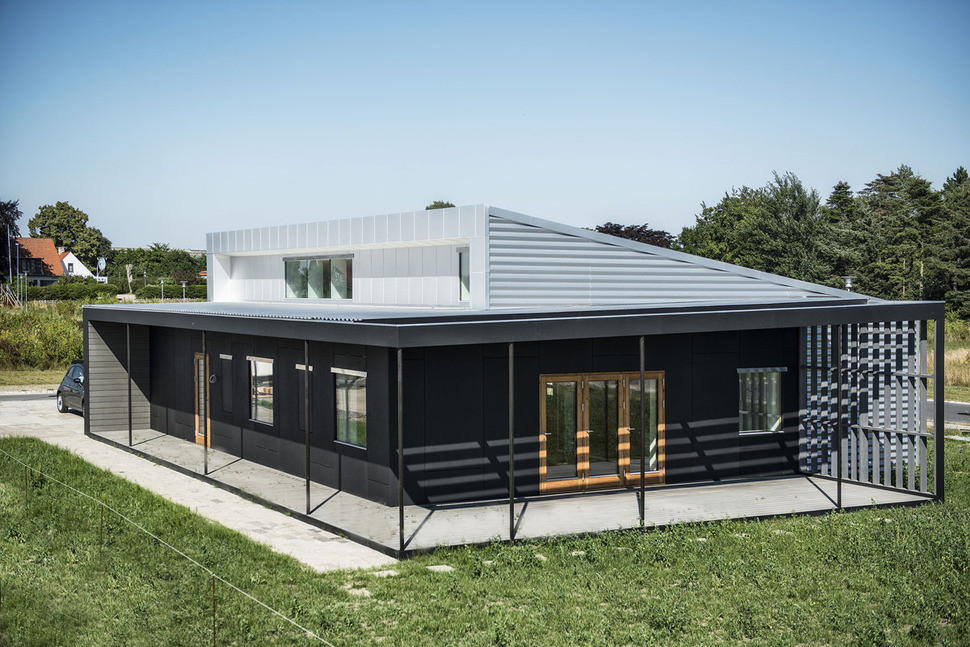
A rare beauty both inside and out! This container home is wonderfully dynamic in design and environmentally conscious in its function. It has been made with sustainable materials and optimized for the use of natural resources.

Architects: Lendager Group
Cost: $252,800
# of Containers: Two
Sq. Ft: ~1500
Location: Nyborg, Denmark
Website: http://lendager.com/en/

Image Credit: Lendager Group Architecture


X-FLOAT

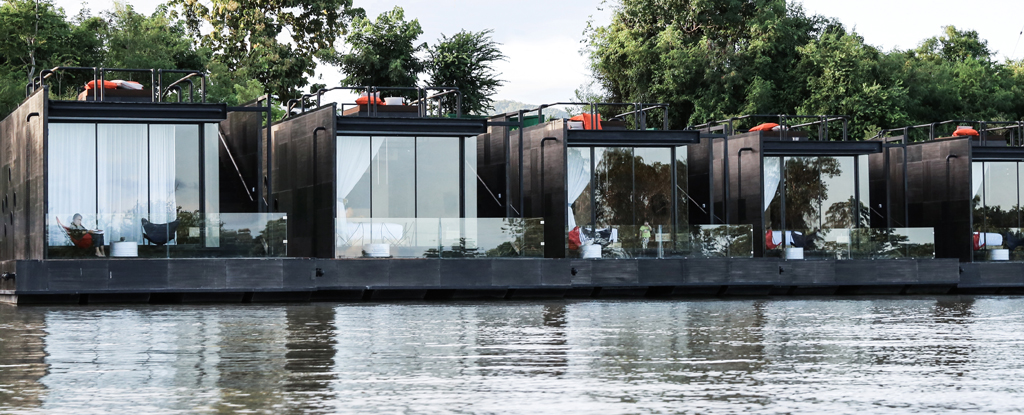
Absolutely stunning! This isn’t a single home but rather a cluster of FLOATING shipping containers turned into a Thailand resort, which is impressive in its own right. They are simple yet sophisticated and elegant in how they are designed.  You could do something similar here in Ontario or out west by setting up little micro cabins with shipping containers.

Architects: Agaligo Studio
Cost: Unknown
Number of Containers: One Each
Sq. Ft: ~1184
Location: Kanchanaburi, Thailand
Website: http://www.agaligo.com

Image Credit: Agaligo Studio Architecture


THE OCTOPOD

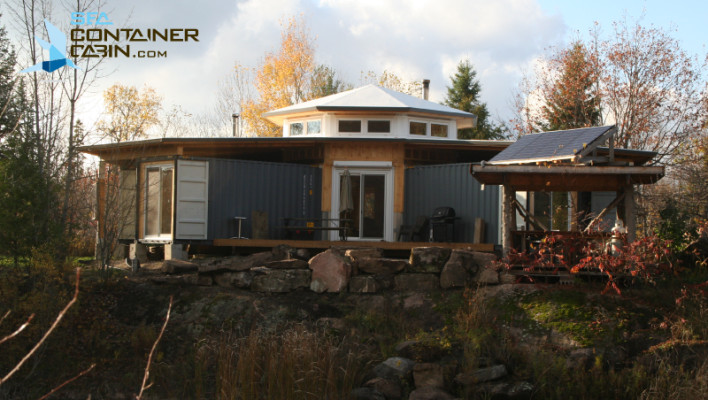
This shipping container cottage is both cozy and energy efficient, being built completely “off-grid”.  That isn’t even the best part, this innovative and modern cabin is available to rent on AirBnB!

Architects: Jason Rioux / Workbench
Cost: Unknown
Number of Containers: Seven
Sq. Ft: 1400
Location: Ontario, CANADA
Website: http://seacontainercabin.com/

Image Credit: Sea Container Cabin.com


THREE STORY CONTAINER HOME

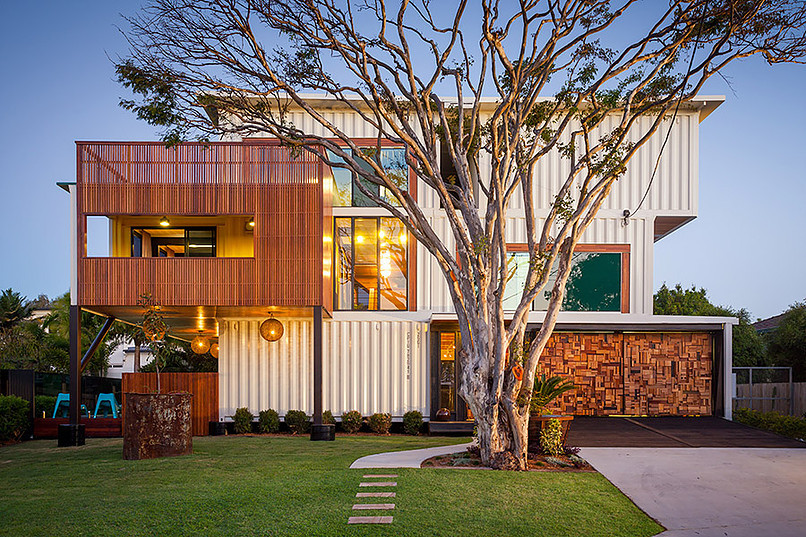
Opulence is a word that comes to mind when I see this wonderfully unique sea container home. Taking UpCycling to a luxurious level.

Architects: Todd Miller from Ziegler Build
Cost: Unknown (but the home was up for sale in 2013 for AUD $1.5million which is USD $1,133,925)
Number of Containers: Thirty-One
Sq. Ft: ~6028
Location: Brisbane, Australia
Website: http://www.zieglerbuild.com

Image Credit: Ziegler Build


GRAND DESIGNS CONTAINER HOME

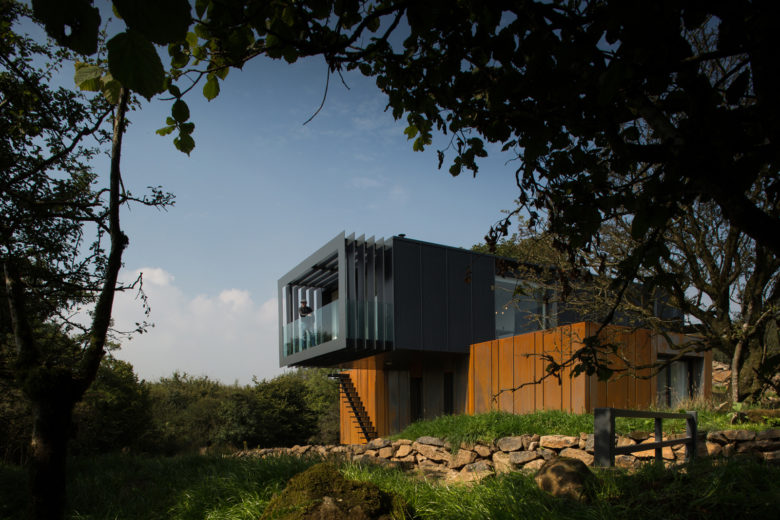
This might be my favorite container home. I first saw this home on Grand Designs years ago and never forgot about it. Everything about this house is stunning, from the architectural feats to the stunning interior and finishes used.  This is a statement home, as is the USD $21,000 hammock bath tub!

Architects: Partick Bradley
Cost: $172,278 (Quoted as £133,000 on the show)
Number of Containers: Four
Sq. Ft: 1,400
Location: County Derry, Ireland
Website: http://www.pb-architects.com/selected/

Image Credit: : Partick Bradley Architects


Canadian Agricultural Land – A Sound Investment?

Canadian Agricultural Land – A Sound Investment?

I wanted to talk (or write) about a different sector of investment real estate that most of us know very little about.   And this sector is land investments…. not developmental land, but agricultural.  I could go into development land but frankly this article is long enough so that will have to wait for another day.  And let’s face it, we can all see that the value of land for suburban sprawl is one key factor for a farmer to want to sell especially when they are located on the edges of city limits.  Nowadays, land becomes more lucrative to sell to developers than it is to continue to farm.

Here is a brief break down on what is happening all around us. Hopefully this article will offer some big picture insights into what drives prices of agricultural land.

According to Farm Credit Canada, farm prices nationally have risen an average of 12% per year since 2008.  And if you think it’s just Canadian Farmland that’s selling at record prices – Britain reports the price of farmland has tripled in less than a decade. The USA reports major increases in land values, with an average increase of 13% from 2012 to 2013. So it seems whether it’s North America, Europe or Asia – Farmland prices have continued to rise and show no signs of stopping.

Check out this 2016 Report From Farm Credit Canada showing national price increases in farmland. Or view this comprehensive historic report showing percentage price increases since 1988, also from Farm Credit Canada.

According to a CBC article, here in Ontario, farmland values increased an average of 6.6% in 2015, and on average farmland values in the province have continued to rise since 1988. In several areas of the province, demand for farmland significantly outweighed the supply, creating competition for available land. That’s right…competition for farm land! And farmers, understandably, have also been fueling the price wars as well by holding onto their farms and driving down the supply of available land. Much like the sellers of residential real estate, if they sell, what do they buy?

All of this, coupled with low interest rates, has played a role in rising values. Sound familiar?!

But guess who else is getting in on the action, Institutional Investors! They have begun looking at agricultural real estate and started investing in Canadian farmland.  They then lease it back to the farmers because farm prices have proven to be an accurate hedge against inflation.

THE GREAT CANADIAN LAND GRAB blog Land and Title

So where is the demand for what farms produce coming from?  Here are some interesting points to help shed some light on this dynamic.

  • Canada is the world’s fifth largest exporter of agricultural and agri-food products.
  • Per capita, Canada is the top global trader of agriculture and agri-food products.
  • Increasing export growth rates to Brazil, Russia, India and China.
  • The United States is and will remain Canada’s largest trading partner for agriculture and agri-food products.
  • Rising incomes in China present major market opportunities for beef.
  • A decade-long trend of falling crop yields in some of the world’s most populous countries has driven up commodity prices and increased the demand for Canada’s farmland.

Find Out More At The Canadian Agriculture and Agri-Food website.

THE GREAT CANADIAN LAND GRAB blog Land and Title

Is it all upside?  Well good farm land like the majority of income properties are traded on economic terms.  So if what the farm produces becomes less valuable so drops the value of the farm. Think, if rents go down on your triplex… the triplex is worth less.   There is one thing that no one can control, and that is the weather (well… except for the countries listed here, apparently they can… sort of). One thing is for sure, just as people need a roof over their head, we also need food on our tables.

One must acknowledge the sheer magnitude the world faces in feeding over seven billion people (2017), along with the need to create communities and commercial developments. In fact, when you look at what big banks and smart investors have been doing over the last few years, buying up land with water resources available to it, it’s no wonder that the grab for land is far from over.  As perfectly put by Andrew Liveris (CEO of DOW), “Water is the oil of the 21st century.” If you are out there looking for an opportunity with vacant land, consider buying one with access to a water source.

As the world becomes more connected, what happens in China for example, literally affects us here in Canada.  Land truly is a multi-dimensional resource that plays a key role in our economy, not just space to build houses.